
Turkey performed over 1.2 million hair transplant in 2025, and Istanbul alone accounted for roughly 70% of that volume, according to data from the Turkish Healthcare Travel Council. The city’s concentration of JCI-accredited clinics, competitive pricing, and direct flight access from over 300 global destinations make it the undisputed capital of hair restoration tourism. But flying to a foreign city for a medical procedure involves more than just picking a clinic: it requires planning around technique selection, recovery logistics, neighborhood choices, and long-term aftercare coordination.
This visitor guide for Istanbul hair transplants in 2026 covers every practical detail you need, from pre-travel documentation to post-op sightseeing that won’t compromise your results. Whether you’re a first-time medical traveler or someone comparing destinations, the information here is built to help you make confident, well-informed decisions before you book a single flight.
Planning Your Istanbul Hair Transplant Trip in 2026
The decision to travel internationally for a hair transplant is both medical and logistical. Getting it right means understanding what’s changed in the field this year, what paperwork you need, and how to structure a timeline that accounts for consultation, procedure, and recovery. Most patients spend five to seven days in Istanbul total: one day for consultation and blood work, one or two days for the procedure itself, and two to three days for initial recovery and the critical first wash.
Turkey’s medical tourism infrastructure has matured significantly. The Turkish Ministry of Health now requires all clinics performing hair transplants to hold specific operating licenses, and a 2025 regulatory update mandated that only licensed physicians or supervised medical teams can perform graft extraction and implantation. This crackdown has reduced the number of unlicensed operators and raised the overall standard of care. For patients, this means fewer risks, but it also means doing your homework on clinic credentials is more important than ever.
The 2026 Landscape: Advanced FUE and DHI Techniques
Two techniques dominate Istanbul’s hair transplant scene in 2026: Follicular Unit Extraction (FUE) and Direct Hair Implantation (DHI). Both involve harvesting individual follicular units from the donor area (typically the back and sides of the scalp), but they differ in how grafts are implanted.
FUE uses a micro-punch tool (0.6mm to 0.9mm in diameter) to extract follicles, which are then placed into micro-channels pre-created with a lateral slit blade. The surgeon controls the angle, depth, and direction of each channel, typically at 40 to 45 degrees for a natural hairline. FUE remains the most widely offered technique and is well-suited for sessions involving 3,000 to 5,000 grafts.
DHI uses a specialized Choi implanter pen that simultaneously creates the recipient channel and inserts the graft in one motion. This eliminates the separate channel-creation step, which can reduce the time grafts spend outside the body. DHI is particularly effective for increasing density in areas with existing hair, since the pen allows precise placement between native follicles without damaging them. The trade-off is that DHI sessions typically handle fewer grafts per session (1,500 to 3,500) and require a larger medical team to load the implanter pens in rotation.
A growing number of Istanbul clinics, including Estenove, now offer stem cell-enhanced protocols where platelet-rich plasma (PRP) or stem cell serums are applied during the procedure. Early clinical data from the International Society of Hair Restoration Surgery (ISHRS) suggests these adjunct therapies may improve graft survival rates by 10 to 15%, though long-term studies are still ongoing.
Essential Pre-Travel Checklist and Documentation
Preparation should begin six to eight weeks before your travel date. Here’s what you need to have sorted:
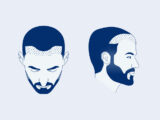
- Medical consultation: Most reputable clinics offer free virtual consultations via video call. You’ll share photos of your scalp from multiple angles, and the surgeon will assess your donor density, classify your hair loss on the Norwood scale, and recommend a graft count.
- Blood work: Clinics require a complete blood count (CBC), coagulation panel, and tests for Hepatitis B, Hepatitis C, and HIV. You can get these done locally and send results ahead of time, or have them drawn at the clinic on arrival.
- Medication adjustments: Stop blood thinners (aspirin, ibuprofen, fish oil) at least 10 days before the procedure. If you take finasteride or minoxidil, most surgeons will advise continuing these, as they support long-term results.
- Travel documents: Citizens of the EU, UK, US, Canada, and most Middle Eastern countries can enter Turkey visa-free or obtain an e-visa online within minutes. Your passport must be valid for at least six months beyond your travel date.
- Insurance: Standard travel insurance typically excludes elective procedures. Look for policies that specifically cover medical tourism complications, or confirm that your clinic’s package includes post-operative complication coverage.
Pack loose-fitting button-down shirts to avoid pulling anything over your head after surgery, and bring a neck pillow for sleeping at a 45-degree angle during recovery.
Navigating the City: Best Area to Stay in Istanbul for Transplant Patients
Istanbul is a sprawling metropolis of 16 million people spread across two continents. Where you stay matters: the wrong neighborhood can mean an hour in traffic to reach your clinic, or limited access to pharmacies and clean, quiet recovery spaces. The best area to stay in Istanbul for transplant patients depends on which side of the city your clinic is located, but a few neighborhoods consistently stand out.
Most major hair transplant clinics are concentrated in two zones: the Şişli-Mecidiyeköy corridor on the European side, and the Ataşehir-Kadıköy corridor on the Asian side. Both areas have excellent hospital infrastructure, international pharmacies, and hotels accustomed to hosting medical tourists.
Top Neighborhoods for Recovery and Convenience
The Şişli district is the single most popular base for transplant patients. It sits in the heart of Istanbul’s European side, with dozens of clinics within a 10-minute radius. Hotels in the four-star range here cost between $60 and $120 per night, and many have established relationships with clinics to accommodate early morning pickups and late returns. The neighborhood is walkable, with restaurants, pharmacies, and shopping malls within easy reach.
Nişantaşı, adjacent to Şişli, offers a quieter, more upscale recovery environment. The tree-lined streets and café culture make it a pleasant place to spend recovery days without exerting yourself. Expect to pay slightly more for accommodation, but the trade-off in comfort is real.
On the Asian side, Kadıköy offers a more relaxed atmosphere with excellent food options and waterfront promenades. If your clinic is in the Ataşehir medical district, staying in Kadıköy puts you 15 to 20 minutes away by car while giving you a neighborhood that feels less hectic than the European side.
Avoid staying in tourist-heavy areas like Sultanahmet or Taksim Square unless your clinic is nearby. The crowds, cobblestone streets, and constant stimulation aren’t ideal for someone in the first 48 hours of recovery.
Logistics: Airport Transfers and Clinic Proximity
Istanbul has two major airports. Istanbul Airport (IST) on the European side is the primary international hub, located about 40 minutes from Şişli in normal traffic. Sabiha Gökçen Airport (SAW) serves the Asian side and is closer to Ataşehir and Kadıköy.
Most clinic packages include airport transfers, but confirm the details. Some clinics send a private car with a patient coordinator who speaks your language. Others arrange shared shuttles. If your flight arrives late at night, a private transfer is worth arranging independently: expect to pay 400 to 600 Turkish lira (roughly $12 to $18 USD at 2026 exchange rates) for a one-way trip from IST to Şişli.
Traffic in Istanbul is genuinely challenging. A 20-minute drive can become 90 minutes during rush hours (7:30 to 9:30 AM and 5:00 to 8:00 PM). Schedule your clinic appointments outside these windows when possible, and always build in a buffer.
The Complete Istanbul Hair Transplant Guide to Costs and Packages
Cost is the primary driver for most medical tourists choosing Istanbul. A comparable FUE procedure that costs $8,000 to $15,000 in the US, $6,000 to $12,000 in the UK, or $7,000 to $10,000 in Western Europe typically runs $2,000 to $5,000 in Istanbul. This isn’t because of lower quality: it’s a function of lower operational costs, favorable currency exchange, and intense market competition among hundreds of licensed clinics.
The ISHRS estimates that the average price per graft in Turkey is $0.80 to $1.50, compared to $3.00 to $8.00 in North America. For a 4,000-graft FUE session, that translates to $3,200 to $6,000 in Istanbul versus $12,000 to $32,000 stateside. Even after factoring in flights and accommodation, the savings are substantial.
Be cautious of prices that seem too low. Clinics advertising 5,000 grafts for $1,200 are almost certainly cutting corners, whether through unlicensed technicians performing the extraction (a practice known as “ghost surgery”), overcrowded operating schedules, or substandard sterilization protocols. Ask every clinic directly: “Who will perform the extraction and implantation, and what are their medical credentials?” A legitimate clinic will answer this without hesitation.
Understanding All-Inclusive Medical Tourism Packages
Most Istanbul clinics offer all-inclusive packages designed specifically for international patients. A standard package typically includes:
- Pre-operative blood tests and consultation
- The procedure itself (FUE or DHI, including local anesthesia and PRP treatment)
- Post-operative medications: antibiotics, anti-inflammatory drugs, pain relievers, and a specialized shampoo/lotion kit
- Hotel accommodation: usually three nights in a partnered hotel
- Airport transfers: round-trip from either Istanbul airport
- A patient coordinator who handles translation and scheduling
- First post-operative wash performed at the clinic on day two or three
Premium packages may add a private hospital room, a dedicated nurse for the first night, extra PRP sessions, and a year of follow-up consultations via video call. These typically run $500 to $1,500 above the standard package.
Read the fine print on what “unlimited grafts” means. Some clinics cap the actual number despite advertising otherwise. Get the graft count estimate in writing during your consultation, and confirm that the quoted price covers your specific case.
Post-Procedure Recovery and Sightseeing While Visiting Istanbul
The first 72 hours after your transplant are the most critical for graft survival. During this window, the transplanted follicles are anchoring into the recipient sites, and any trauma, pressure, or excessive sun exposure can dislodge them. Your clinic will provide a detailed aftercare sheet, but the general rules are consistent: no touching the grafts, sleep elevated at 45 degrees, avoid direct sunlight, and don’t wash your hair until the clinic performs or authorizes the first wash (typically 48 to 72 hours post-procedure).
Your scalp will have thousands of tiny micro-channels that trigger a cascade of healing responses. Mild swelling around the forehead is normal and typically peaks on days three to five. The clinic will prescribe a short course of dexamethasone or a similar corticosteroid to manage this. Redness in the recipient area fades over 7 to 14 days, and the donor area heals within 10 to 14 days.
Safe Tourism: Low-Impact Activities for the First 72 Hours
You don’t need to stay locked in your hotel room, but you do need to be strategic about what you do. Istanbul has plenty of low-impact options that keep you comfortable while still making the trip memorable.
The Bosphorus ferry is an excellent choice. The covered upper deck provides shade, the ride is smooth, and you get panoramic views of the city’s skyline, historic mosques, and the Rumeli Fortress. A one-way trip from Eminönü to Anadolu Kavağı takes about 90 minutes and costs under 100 Turkish lira.
Indoor destinations work well too. The Istanbul Archaeology Museums in Sultanahmet are air-conditioned, uncrowded on weekdays, and don’t require much physical exertion. The Basilica Cistern, recently reopened after renovation, offers a cool, dim environment that’s easy on a healing scalp.
Skip the Grand Bazaar during the first three days: the crowds and narrow corridors make it easy to bump your head, and the heat inside can cause excessive sweating. Save it for day four or five if you’re feeling up to it. Avoid Turkish baths (hamams) entirely until your surgeon clears you, which is typically four to six weeks post-procedure.
Dining out is fine from day one. Istanbul’s restaurant scene is world-class, and sitting at a table puts zero stress on your grafts. Stick to well-ventilated or outdoor restaurants to avoid smoky environments, and wear a loose, clean hat if you’re walking in direct sunlight. Your clinic will provide or recommend a specific surgical cap for the first few days.
Long-Term Success and Aftercare Coordination from Abroad
A successful hair transplant doesn’t end when you leave Istanbul. The real results take 12 to 18 months to fully materialize, and how you manage aftercare during that period directly impacts the outcome.
Here’s the typical timeline you should expect:
- Weeks 1-4: Scabbing falls off, transplanted hairs shed (this is normal and expected: it’s called “shock loss”)
- Months 2-3: The transplanted area may look thinner than before the procedure, which alarms many patients but is completely normal
- Months 4-6: New growth begins, with fine, wispy hairs emerging from the transplanted follicles
- Months 8-12: Significant density becomes visible; hairs thicken and mature
- Months 12-18: Final results, with full density and natural texture
Track your progress by taking monthly photos of your hairline and crown under consistent lighting: same room, same angle, same time of day. Use a plain white background and include a front-facing shot, a top-down shot, and both temple angles. These photos are invaluable for your follow-up consultations and for your own peace of mind during the slow months.
Most reputable Istanbul clinics schedule virtual follow-up appointments at one month, three months, six months, and twelve months post-procedure. Your surgeon will review your progress photos, adjust your medication protocol if needed, and address any concerns. If you notice patchy growth or an area that seems to be lagging, the six-month mark is typically when the clinic can assess whether a small touch-up session might be warranted.
Maintain your results with a combination of medical therapy and good habits. Finasteride (1mg daily) and minoxidil (5% topical, applied twice daily) remain the gold standard for preserving native hair and supporting transplanted follicles. Some patients add low-level laser therapy (LLLT) devices for home use, which have modest clinical support for stimulating follicle activity. Your surgeon can recommend a protocol tailored to your specific pattern and progression.
For cosmetic camouflage during the growth phase, keratin-based hair fibers like Toppik can fill in thin areas convincingly. A skilled barber can also create a textured, layered cut that adds visual density while your transplanted hairs mature. Avoid tight hairstyles, heavy product buildup, or aggressive brushing for the first six months.
If complications arise after you’ve returned home: persistent numbness in the donor area beyond three months, signs of infection (increasing redness, warmth, or discharge), or significant asymmetry in growth: contact your Istanbul clinic immediately. A good clinic will coordinate with a local dermatologist in your home country if an in-person evaluation is needed, and most surgical complications are manageable when caught early.
References
The Allures and the Alarms of the Hair Transplant Tourism Industry
Haider SA, Hasanzade S, Borna S et al.. Aesthetic Plastic Surgery, 2025.
PMID: 40660034
https://pubmed.ncbi.nlm.nih.gov/40660034/
2. In the Words of the Medical Tourist: An Analysis of Internet Narratives by Health Travelers to Turkey
Ozan-Rafferty M, Johnson J, Shah G et al.. PMC (PubMed Central), 2014.
PMID: 24513565
https://pubmed.ncbi.nlm.nih.gov/24513565/
3. Hair Transplant Practice Guidelines
Elsässer D, Valerius T, Repp R et al.. PMC (PubMed Central), 2021.
PMC: 8611706
https://www.ncbi.nlm.nih.gov/pmc/articles/PMC8611706/
4. Hair Transplantation: State of the Art
Queen D & Avram M. PubMed, 2025.
PMID: 40354670
https://pubmed.ncbi.nlm.nih.gov/40354670/