
A Great Place To Restore Your Hair
FUE Hair Transplant in Turkey
Estenove offers FUE hair transplant in Turkey, with personalized treatment planning based on your hair loss pattern, donor hair availability, and desired results.
Minimally
invasive
No stitches,
no linear scars
Individual follicle extraction
Natural-looking results
Already trusted by 20,000+ worldwide patients with an average rating of 4.9★
Get your free hair analysis
24/7 ONLINE and FREE
Success
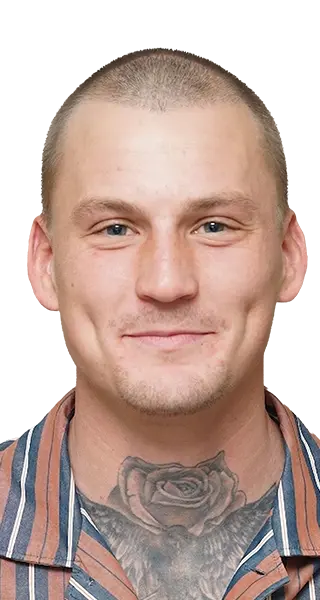
BEFORE
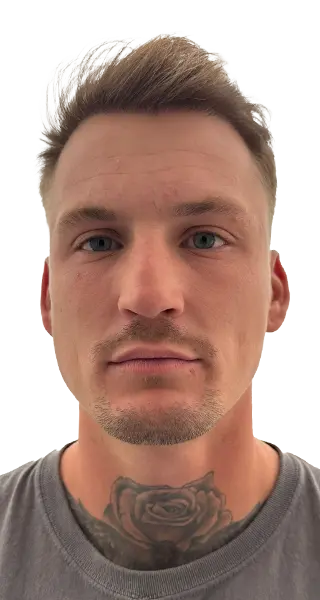
AFTER

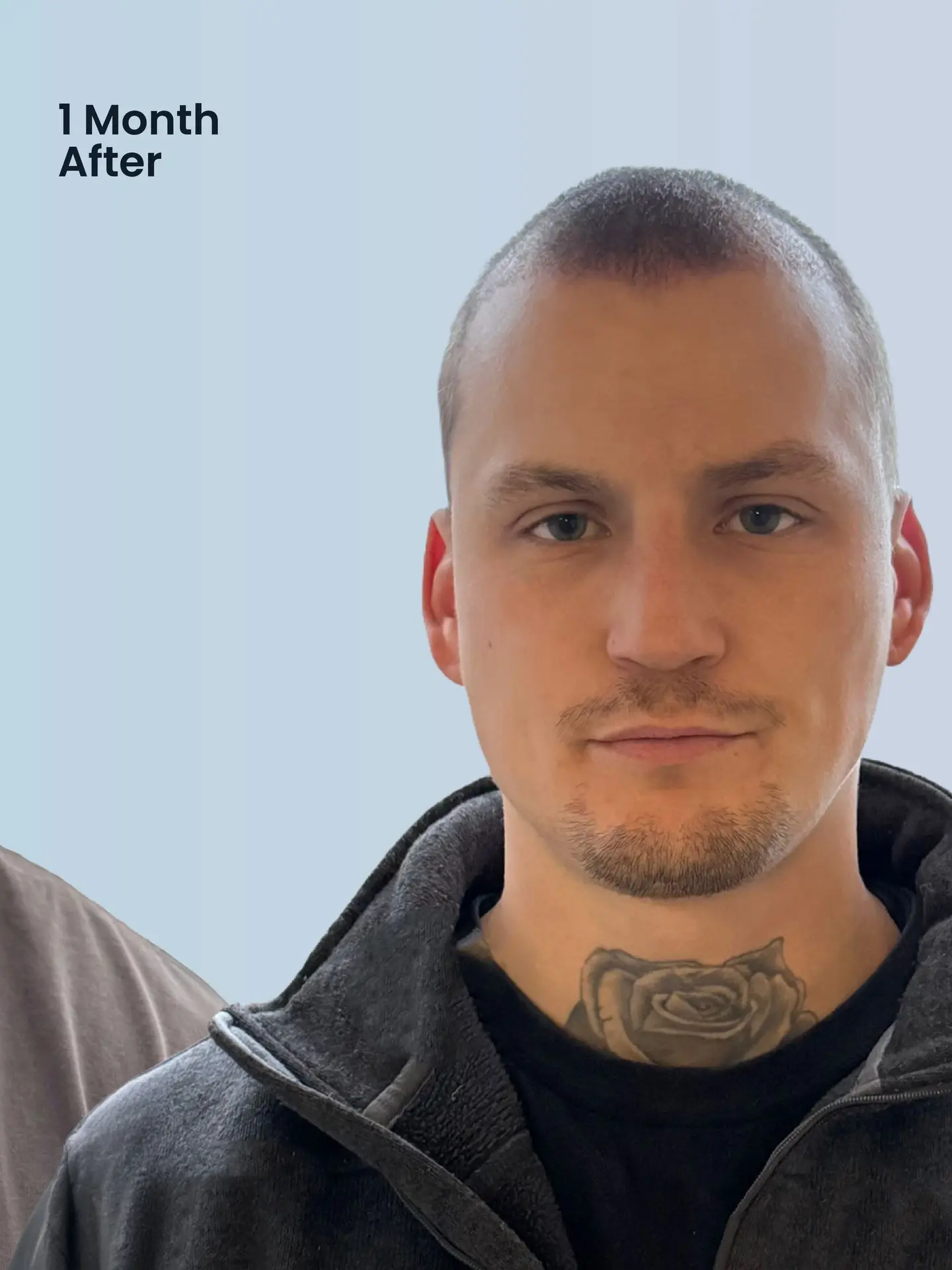
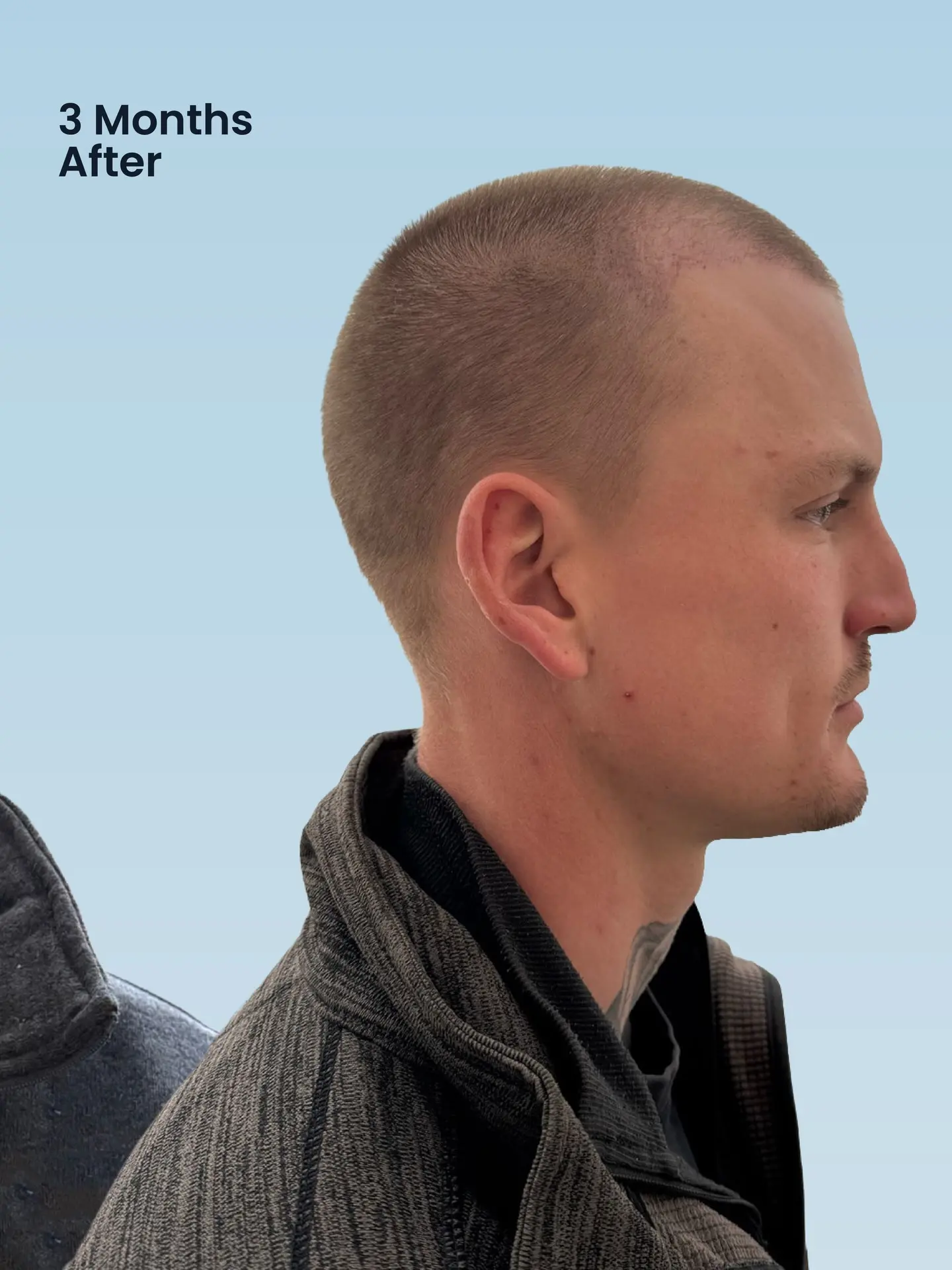
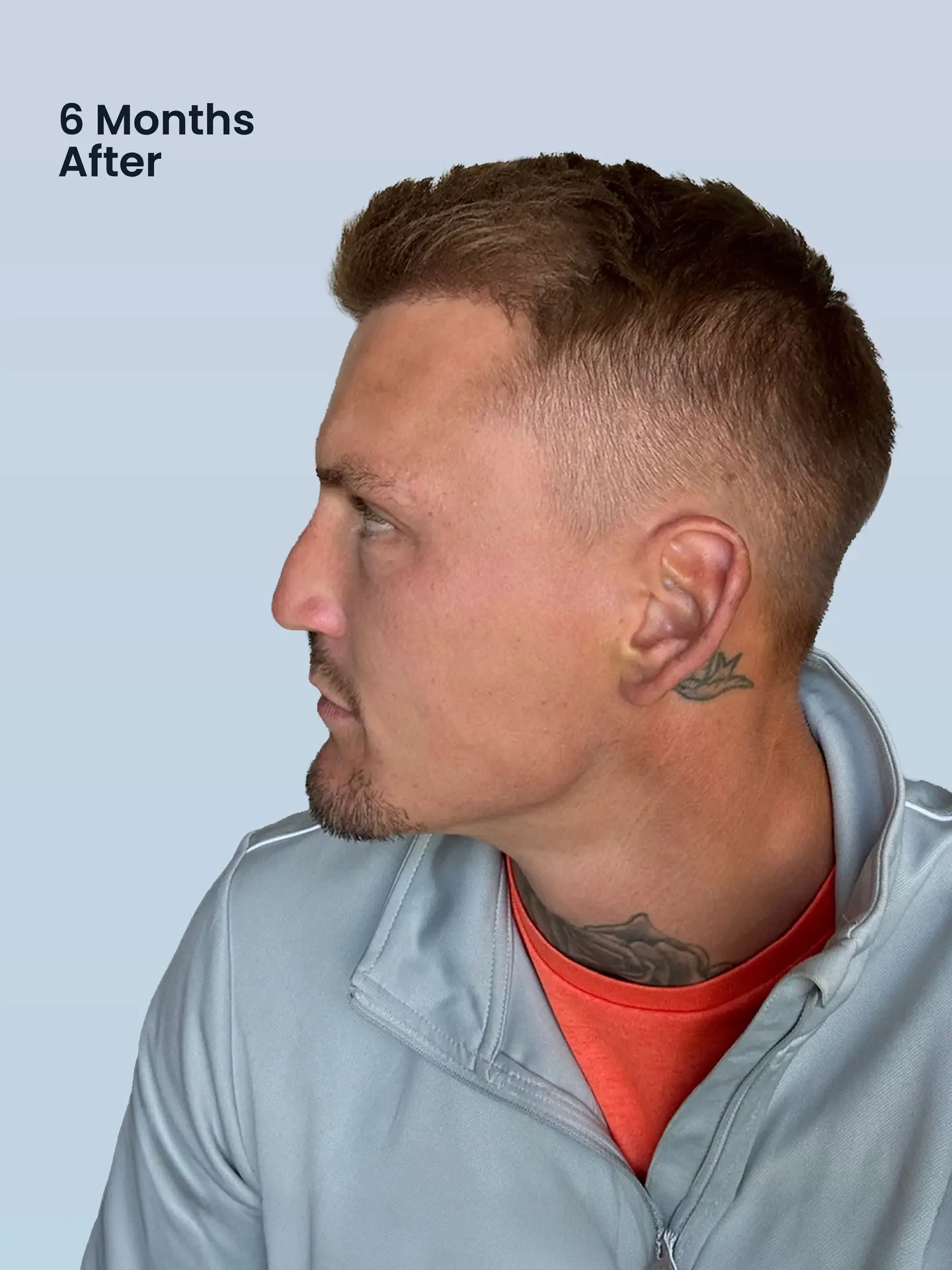
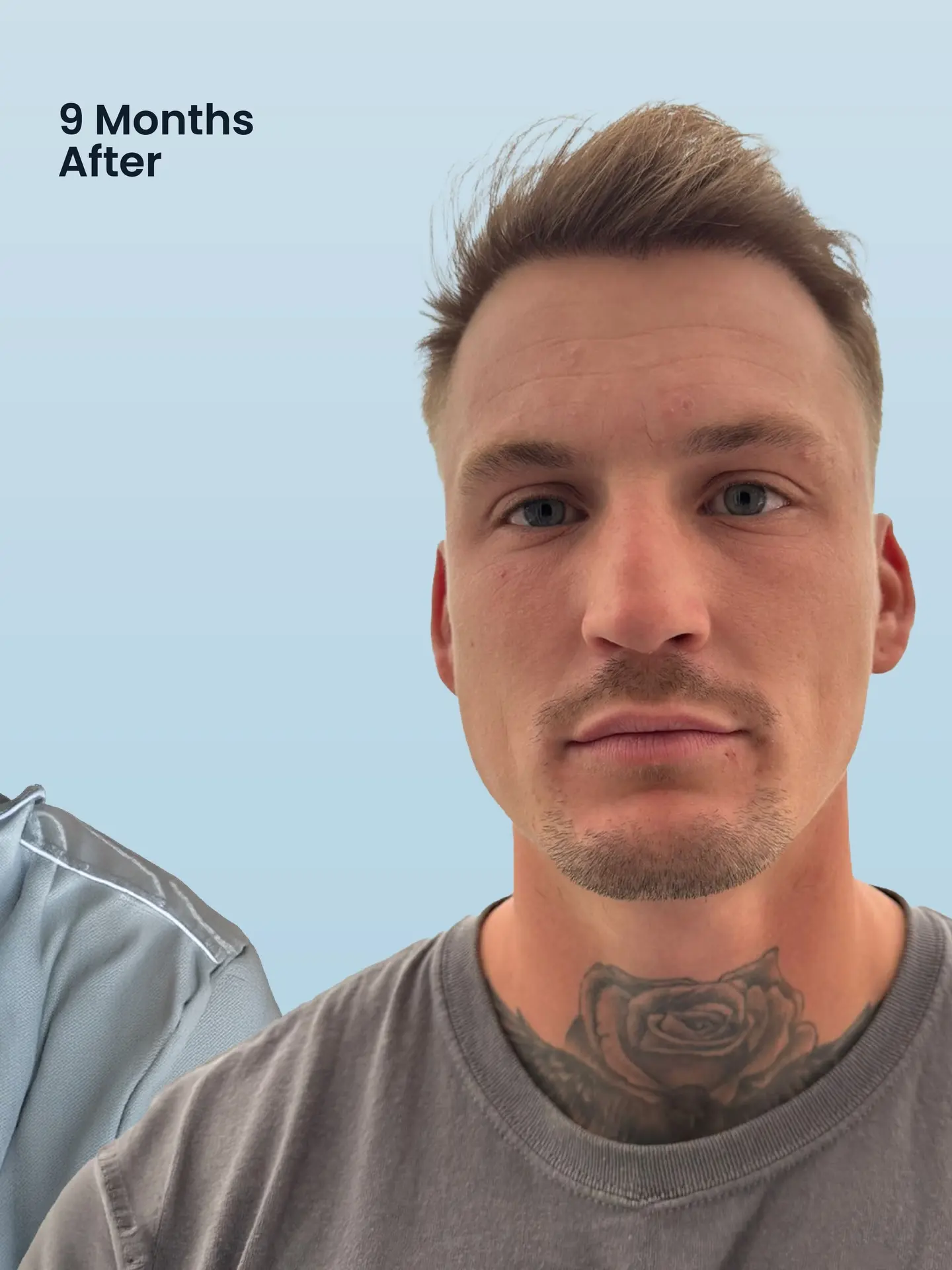
Shane Dean Stocks
- 2,800 Grafts
- 9 months post-op
- From Chesterfield, GB
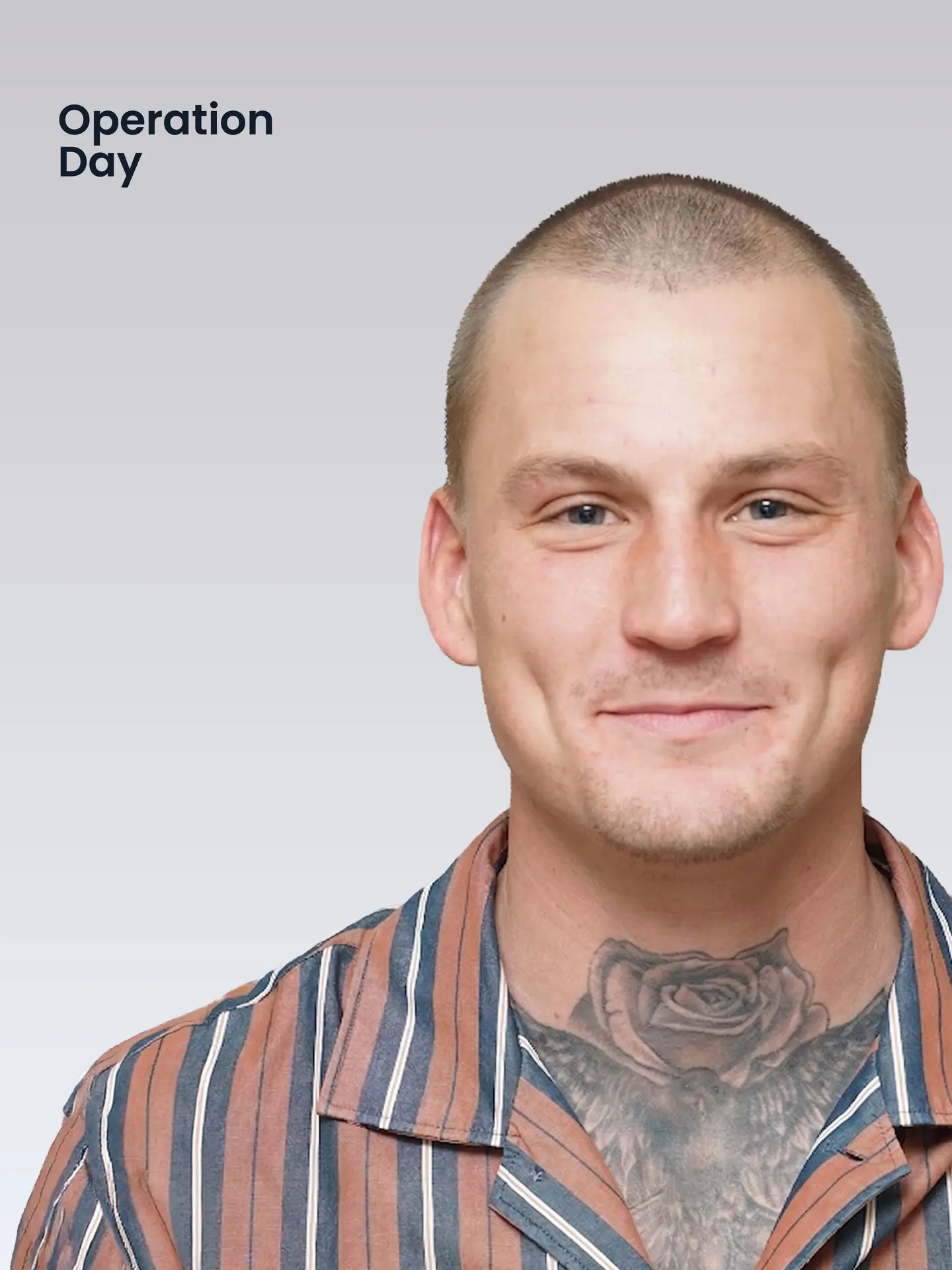
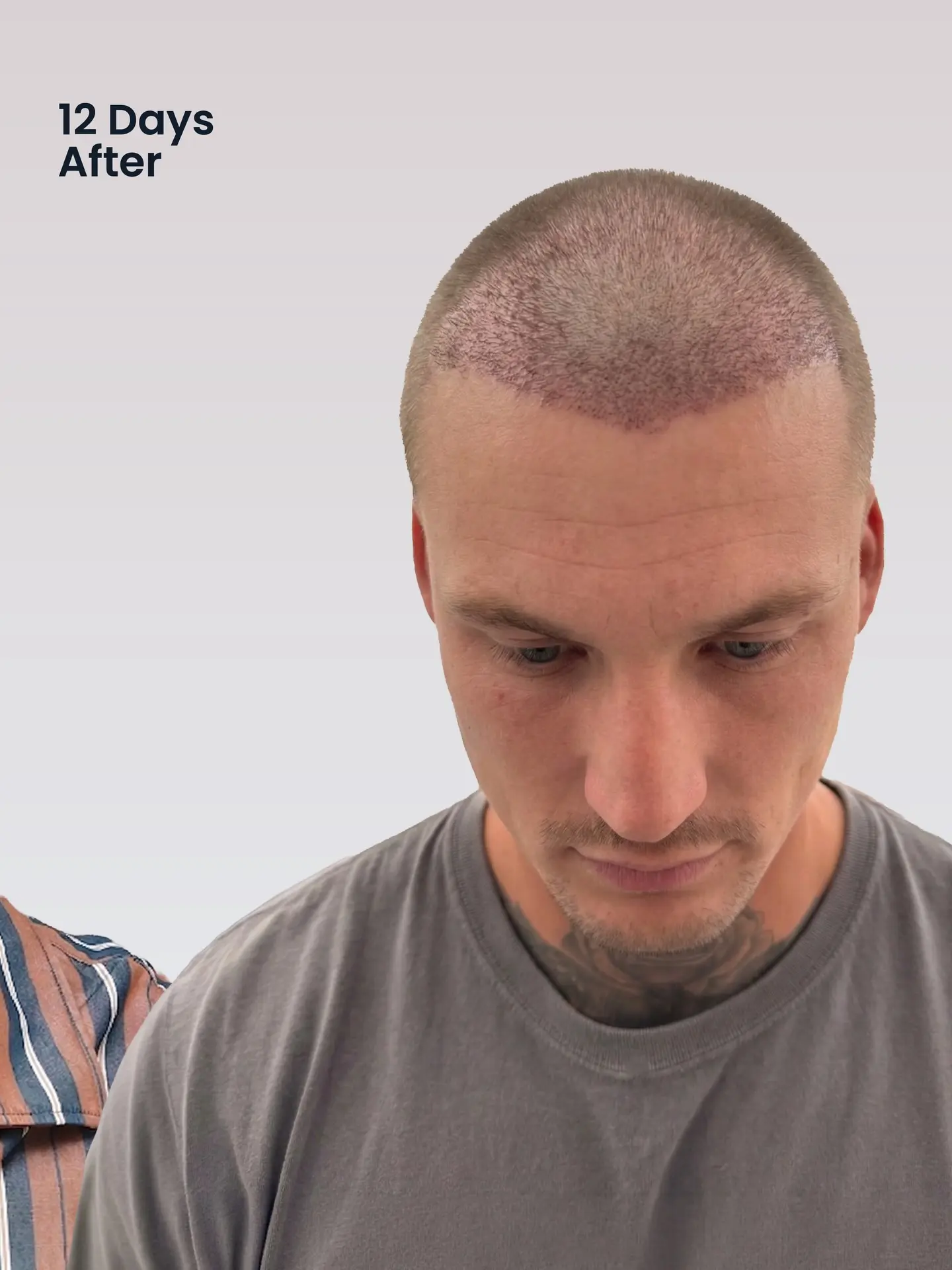
Nine months ago, I took a life-changing step with a Sapphire FUE hair transplant. Today, the results speak for themselves.
What Is FUE Hair Transplant?
FUE (Follicular Unit Extraction) is a hair transplantation technique in which individual follicular units are removed from a donor area, typically the back or sides of the scalp, and transplanted into areas affected by hair loss.
Unlike FUT, which involves removing a strip of scalp, FUE extracts follicles individually without creating a linear donor scar. However, small extraction scars can remain, and donor hair availability limits the number of grafts that can be safely harvested.
The procedure is planned according to the patient's hair loss pattern, donor density, scalp condition, and desired coverage. Estenove provides FUE hair transplantation in Istanbul, with treatment suitability determined through an individual assessment.
How Does the FUE Hair Transplant Procedure Work?
During the FUE hair transplant procedure, individual follicular units are extracted from the donor area using small punches. Each graft is assessed before implantation, with single-hair grafts typically used for the hairline and multi-hair grafts for greater density.
Grafts are then implanted at carefully planned angles, directions, and depths to support natural-looking hair growth.
What Happens to the Donor Area After FUE?
After an FUE hair transplant, small extraction sites remain in the donor area, typically healing over the following days. Unlike FUT, FUE does not leave a continuous linear scar, although small scars may remain visible.
Careful graft distribution helps preserve donor density, while excessive extraction can cause permanent thinning and limit future hair transplant options.
Why Is Graft Handling Important in FUE?
During an FUE hair transplant, graft survival depends partly on careful handling, storage conditions, temperature, and time outside the body.
As Dr. Yücel İskender emphasizes, successful treatment requires more than extracting a high number of grafts. Protecting donor hair, preserving graft quality, and planning implantation carefully are essential for long-term hair restoration.
Sapphire FUE Hair Transplant in Turkey
Sapphire FUE is a variation of the FUE hair transplant technique that uses sapphire-tipped blades instead of steel blades to create recipient channels. Hair follicles are still extracted individually, as in conventional FUE.
The main difference lies in the channel-opening stage, not the extraction method. While sapphire blades allow precise channel creation, the final result also depends on donor hair quality, graft handling, implantation planning, and individual healing.
Sapphire FUE Hair Transplant Procedure
Minimum incision
1. Consultation and Preparation

The surgeon discusses your requirements and finalizes the number of grafts and hairstyle. The hairline is marked, and necessary blood tests are taken.
2. Local Anesthesia

The donor area is disinfected, and local anesthesia is used to numb the scalp. A pressure device may be used to minimize discomfort.
3. Extraction and Opening Canals

Individual follicular units are extracted from the donor area using FUE punches. Sapphire-tipped blades are then used to create recipient channels, with their angle, depth, and direction planned according to the desired hairline and coverage.
4. Implantation

The extracted grafts are carefully placed into the prepared channels. Their distribution and orientation are planned to create natural-looking coverage while considering the available donor hair.
A natural hair transplant, done properly in Turkey

Highly Recommend Estenove: A Smooth, Well-Run Experience from Start to Finish
I was intimidated at first about traveling to Turkey by myself, but the whole process, including getting around Istanbul, turned out to be very manageable. Also had a great time with the first day of touring around the historic sites.
Organization and Flow
I was impressed by how well organized everything was. The pick-up arrangements, pre-procedure consultation, the procedure itself, and post-care all flowed together seamlessly.
Communication and Service
What stood out most was the Estenove team’s communication. They reached out regularly on WhatsApp to make sure every part of my trip and stay was going well. I didn’t have any particular expectations going in, so this was a pleasant surprise.
Aftercare
I was equally surprised by the care they provided after I flew home. I received daily check-in messages asking how I was feeling and tracking my progress, and they answered every question I had along the way. This was truly above and beyond.
Results
I’m only a month out, and the results are already wildly encouraging. I'm quite eager to see how well my hair grows in even by the 5-6 month mark.
Location and Hotel
The location is very accessible to the historic downtown area. It was easy to walk from the hotels to the train, which became my main way of getting around outside of the transportation provided for the procedure. The hotel and surrounding area felt upscale and safe. I spent most of my free time and evenings in Fisekhane, which has incredible restaurants.
What I’d Do Differently
Upgrade the hotel. The hotel was nice, but if I did it again I’d choose the higher-end option. I spent more time in the room than expected, both after the procedure and during recovery the next day, so extra comfort would have been worth it.
Plan for swelling. The one real surprise was the swelling that showed up on my flight home. Icing my face after the procedure and the next day was more logistically challenging than I expected. I recommend having an icing strategy ready at the hotel. Mine was very accommodating and brought ice from the bar. Ice more than you think you need.
Bottom line: Despite my initial nerves about going solo, Estenove made the experience easy, and I’d recommend them without hesitation.

Amazing experience with the best people 10/10 will recommend forever
Was very professional and very smartly handled and catered to the needs. Very available and happy to answer my questions whichever i have regarding the after care. Asked for the updates after the surgery every alternate day, asking for pictures to monitor the progress. Would highly recommend others wanting to get a transplant. Now just waiting and hoping to get good results and a good set of hair😁
Excellent Experience from Start to Finish – Highly Recommend Estenove!
I recently travelled to Turkey for a hair transplant with Estenove, and I couldn't be happier with the overall experience.
From the initial consultation through to the procedure itself, everything was incredibly smooth, professional and well organised. The whole process was straightforward and stress-free, with the team making sure I knew exactly what to expect at every stage.
The medical team were excellent, and I felt I was in safe hands throughout the procedure. Everything was handled efficiently and professionally.
The aftercare has been excellent thus far and I'm looking forward to the final results, although that's some months away at this point.
Wonderful service and amazing people. 10/10 would recommend every time
The surgeon care and other doctors that assisted with procedure made me feel very comfortable. Having a translator was nice. The transportation was easy and always on time. The after-care seemed very attentive.
Great service, great attentiveness. Professional from beginning to end.
Im now 6 months into my hair transplant and a super happy with the results so far. Still a long way to go to get full thickness in the area but overall it’s looking great and very natural. The donor area is also looking great and can’t tell anything was ever done. The team at Estenove have been great throughout.
My experience with Estenova has been very positive!
The Estenova team has been extremely attentive and supportive throughout the entire process. All of my questions were answered thoroughly before the surgery, and even after the procedure, they have continued to be very responsive to any questions or concerns I have. This level of care and communication has made me feel much more comfortable and reassured throughout the experience.
The doctor carefully examined my original hairline and listened to my expectations for the new design. After discussing my desired results, he drew a new hairline that took my preferences into consideration. I was particularly impressed by his knowledge of hairline design and his understanding of how far a hairline can be adjusted while still maintaining a natural appearance.
The logistics and hotel arrangements were also very well organized. From the moment I landed in Istanbul, I felt that everything had been taken care of and that someone was always there to guide me through the process.
Overall, I have been very satisfied with the professionalism, communication, and attention to detail provided by the Estenova team.
Estenova associates have been very attentive!
All of my questions were answered before surgery and after the surgery they are still attentive to any of my questions or concers which has ma made me feel much less worried
The doctor examined the shape of my old hairline and after I explained my desired hairline he drew the new design, the doctor was very knowledgeable about the limits of hairline designs as to where the limit of a natural look would be
Logistics and hotel wise was very well planned, once landed in Istanbul I felt that someone was waiting for me
I want to say a huge thank you to all the team at EsteNova, they have completely changed my life around and the follow up care has been top notch 🙏 Would highly recommend to anyone looking at getting a hair transplant.
I want to say a huge thank you to all the team at EsteNova, they have completely changed my life around and the follow up care has been top notch 🙏 Would highly recommend to anyone looking at getting a hair transplant.
ALL INCLUSIVE
What’s
in the package
- Sapphire FUE Hair TransplantFULL TREATMENT PACKAGE€3,395
- Ice FUE Hair Transplant Method
- Nove MIC® Method
- Up to 5,000 Grafts
- Multilingual Medical Advisors
- Postoperative Check-up and Washing
- Preoperative Health Checks
- VIP Transport
- 2-3 Nights of Accommodation
- Free Dental X-Ray Consultation
- 1-Month Aftercare Products
- 18 Months of Aftercare Assistance
Why Choose FUE Hair Transplant?
Comparing FUE with Other Hair Transplant Methods
FUE vs FUT
FUE extracts follicular units individually, leaving small, scattered scars rather than the linear scar associated with FUT (Follicular Unit Transplantation).
FUT removes a strip of donor scalp and may be considered when donor characteristics or graft requirements make strip harvesting appropriate. FUE avoids stitches in the donor area, but both methods require careful planning to protect donor hair and achieve natural-looking results.
FUE vs DHI
FUE describes how follicular units are extracted, while DHI (Direct Hair Implantation) refers to an implantation technique that typically uses a Choi implanter pen.
Both approaches can use FUE extraction. The main distinction is how grafts are implanted. The choice depends on the treatment area, donor capacity, hairline design, and the medical team's assessment rather than one method being universally better.
FUE vs Sapphire FUE
Both techniques use individual follicular unit extraction. Conventional FUE may use steel blades to create recipient channels, while Sapphire FUE uses sapphire-tipped blades for this stage.
Sapphire blades are an instrument choice, not a separate extraction method. Their use alone does not guarantee faster recovery, greater hair density, or better transplant results. Surgical planning, graft quality, and donor management remain essential.
The best hair transplant technique depends on your hair loss pattern, donor hair availability, scalp characteristics, and long-term treatment goals. FUE is suitable for many patients, but an individual medical assessment is essential before choosing a method.
ESTENOVE
- All inclusive package
- Up to 75% saving
GREAT CHOICE
~
€
4k
UNITED KINGDOM
Tag
~
€
12k
EUROPE
Tag
~
€
11k
UNITED STATES
Tag
~
€
16k
VALUE COMPARISON
What Determines FUE Hair Transplant Cost in Turkey?
It is not just about “saving costs,” but about “safeguarding the overall wellbeing” of you.
The Sapphire FUE hair transplant package at Estenove starts at €3,395. Your treatment plan is determined by your hair loss pattern, donor area capacity, and expected graft requirements.
The package includes accommodation and transfers, helping international patients plan their treatment in Istanbul. Your final quotation and included services are confirmed during consultation. For a detailed breakdown, explore our hair transplant cost in Turkey guide.
Is FUE Right for You?
FUE hair transplant is suitable for patients with a stable hair loss pattern, sufficient donor hair, and realistic expectations.
Patients with rapidly progressing hair loss, limited donor density, or untreated scalp conditions may require further evaluation or alternative treatments.
Use our hair graft calculator to explore your potential graft requirements before a medical consultation.
Patients with rapidly progressing hair loss, limited donor density, or untreated scalp conditions may require further evaluation or alternative treatments.
Use our hair graft calculator to explore your potential graft requirements before a medical consultation.
FUE Hair Transplant Recovery & Aftercare
Recovery after an FUE hair transplant occurs in stages. The donor and recipient areas typically begin healing within the first two weeks, while visible hair growth develops gradually over several months. Temporary shedding of transplanted hair is common and does not necessarily indicate graft failure.
Recovery varies depending on individual healing, the number of grafts transplanted, and postoperative care. Following your medical team's instructions is essential to protect the grafts and support healing.
Recovery varies depending on individual healing, the number of grafts transplanted, and postoperative care. Following your medical team's instructions is essential to protect the grafts and support healing.
Estenove Knowledge Base
Frequently Asked Questions
Frequently
Asked
Questions
Is FUE hair transplant permanent?
Yes, it is. In FUE hair transplant, hair follicles are removed from the donor and placed into the recipient area. As a result, the results are natural, visible and long-lasting. A significant change in hair growth will be seen within a year in the transplanted area.
Is FUE a painful procedure?
Contrary to this belief, FUE is usually performed under local anesthesia, ensuring minimal discomfort during the procedure. Most patients report only mild discomfort during the healing process.
Is FUE only for men?
Although male pattern baldness is more common, FUE can also be an effective solution for women experiencing hair loss. It allows for precise graft placement, making it suitable for both genders. For guidance specific to female pattern loss, see our hair restoration for women page.
Does FUE result in a "patchy" appearance?
This concern usually comes from a misunderstanding of the healing process. Transplanted hairs commonly shed in the weeks after surgery — often called shock loss — before new growth begins. The follicles themselves remain in place. As regrowth comes through, coverage becomes progressively fuller and more even.
How long does the FUE recovery process take?
Most patients are back to everyday routines quickly, and the clinic performs a check and first wash before you travel home. Small scabs form around the implanted grafts and clear during the first days of healing, and some redness or mild swelling in the donor and recipient areas is normal early on.
Visible results take considerably longer than physical recovery. Early shedding is followed by gradual regrowth, with density continuing to develop through the first year. Your aftercare instructions matter most in the first weeks, when the grafts are still settling.
How successful is FUE hair transplant?
FUE is a well-established technique with a strong track record when it is properly planned and performed. Because the grafts are your own tissue, there is no risk of immune rejection. Outcomes depend on donor quality, how carefully grafts are handled between extraction and implantation, the experience of the surgical team, and how closely aftercare is followed.
Which is better, FUE or FUT hair transplant?
For most patients today, FUE is the preferred option: it leaves no linear scar, healing is quicker, and it suits anyone who wears their hair short. FUT is rarely chosen now, though it can still be considered in specific cases where a very large number of grafts is needed in one session. The right answer depends on your donor area and how much coverage you need, which is what a consultation establishes.
How many grafts do I need for FUE hair transplant?
The number of grafts required for a successful hair transplant varies based on individual needs and goals. Factors such as hair density, hair loss pattern, and the desired level of coverage play a crucial role in determining the number of grafts needed to achieve the desired results.
Can someone have a FUE hair transplant at any age?
There is no fixed age limit, but timing matters more than age. Surgery performed while hair loss is still progressing quickly can look natural at first and less so as loss continues around it. Most surgeons prefer to wait until the pattern has stabilised. Suitability is assessed on hair type, the stage of hair loss and general health rather than on age alone.
Does Estenove offer a guarantee for hair transplantation?
Yes, we give a guarantee for after post-operative results, excepting health conditions or therapy that causes patients hair loss. In addition, patients should also follow the post-operative instructions given by the doctor.
Explore alternative techniques that are ideally matched to your needs.
DHI
Choi Pen
FemaleAfroAsian
STEM
CELL
Therapy
FemaleAfroAsian
BEARD
Transplant
FemaleAfroAsian
EYEBROW
Transplant
FemaleAfroAsian
Already trusted by 20,000+ worldwide patients with an average rating of 4.9★
#EstenoveExperience