Key Takeaways:
-
The Reality: While generally safe (90-95% satisfaction rate), all surgeries have risks. Knowing them helps you prepare.
-
Immediate Side Effects (Normal):
-
Swelling & Redness: Common in the forehead and scalp. Cold compresses help.
-
Itching: A sign of healing, but do not scratch.
-
Scabbing: Forms at the donor and recipient sites; usually falls off in a few weeks.
-
Shock Loss: Temporary shedding of existing or transplanted hair. This is normal, and it grows back.
-
-
Long-Term Risks (Rare):
-
Infection: Can occur in up to 11% of cases if hygiene is poor. Antibiotics prevent this.
-
Scarring: Depends on the technique and your body’s healing. Advanced methods minimize this.
-
-
The Solution: Choose a qualified, experienced surgeon (like at Estenove) and strictly follow post-op care instructions to minimize risks.
A prospective hair transplant can be exciting, yet the thought of potential side effects may raise concerns. Patients often worry about both the immediate aftermath and possible longer-term complications. A balanced approach to understanding these issues can help in making an informed decision. Notably, some patients may experience mild swelling following the procedure, underscoring the importance of managing expectations from the start.
It is essential to realize that hair transplant operations, while generally safe with high patient satisfaction (90-95%), do include some predictable side effects and risks. Knowing what to expect can ease anxiety and improve post-surgical care.
Common Immediate Side Effects after Hair Transplant
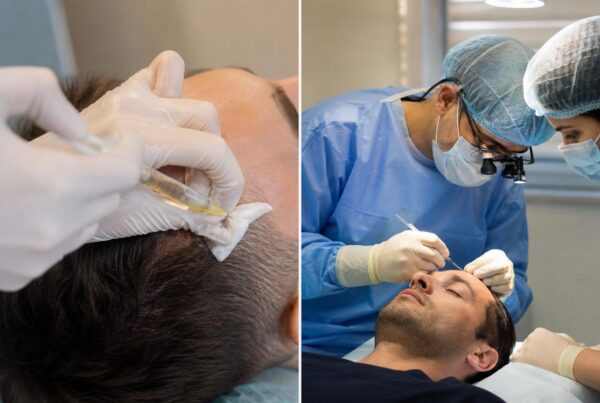
Immediately following a hair transplant procedure, patients might encounter a range of minor side effects that are typically temporary and part of the natural healing process. Medical professionals frequently observe redness, swelling, and mild discomfort in the treated areas. Elevated skin sensitivity is a normal condition that gradually diminishes over time.
Post-procedure itching is an another common side effect among the clients. This can be attributed to the skin’s response to the minor trauma incurred during follicle extraction and insertion. Following the procedure, patients are often advised to avoid vigorous activities and to take prescribed medications to mitigate these effects.
Swelling, Discomfort and Redness After Hair Transplant: Normal Healing Process
The initial hours and days after a hair transplant are marked by visible redness and swelling. These symptoms are a natural part of the body’s inflammatory response to the minor surgical incisions. With proper post-operative care, these signs usually subside within a few weeks. Moisturizing lotions and prescribed pain relievers can offer relief during this period.
Managing local inflammation is critical. While the discomfort may seem alarming, it serves as an indication that the body is working to repair itself. Often, healthcare providers recommend cold compresses during the first 24 hours to reduce swelling.
Scabbing, Bleeding and Initial Shedding: What’s Expected
After a hair transplant, the formation of scabs at both donor and recipient sites is a routine part of the healing process. Some patients might notice minor bleeding, which typically stops within a few hours with proper pressure application. This phase lays the groundwork for healthy hair regrowth.
Temporary hair shedding, known as shock loss, may occur after the procedure. Although stressful, shock loss is recognized as a normal part of the healing process, with displaced hair follicles eventually producing new strands in a few months.
Potential Long-Term Complications to Consider
While the immediate concerns can be managed with adequate care and realistic expectations, it is important to consider the potential long-term complications associated with hair transplants. Some complications, though less common, can have significant impacts if not addressed promptly by experienced professionals. Patients should be well-informed and discuss all possible risks with their doctor before proceeding.
A comprehensive understanding of these issues not only aids in setting realistic expectations but also in recognizing when professional intervention is necessary. Reliable data and expert opinions provide guidance on the potential challenges in achieving optimal results.
Infection and Scarring: Prevention and Treatment
Infections and scarring are among the most concerning long-term complications. Studies indicate that infection following a hair transplant can occur in up to 11% of cases. Preventative measures, including the use of prescribed antibiotics and maintaining a sterile environment during and after the procedure, are critical to mitigating this risk.
Scarring can vary greatly from patient to patient, depending on their healing response and the doctor’s technique. In some instances, scarring may be minimized through the use of advanced transplantation methods. Patients can benefit from post-operative treatments that help manage scar tissue, thus preserving the natural appearance of the hairline.
Making an Informed Decision About Hair Transplants
With a broad array of factors to consider, making an informed decision about a hair transplant involves weighing the benefits against potential risks. For many, the prospect of regaining confidence with a fuller head of hair outweighs the temporary discomfort and potential complications. However, awareness of risks is essential for long-term satisfaction.
Staying informed through reliable sources can aid in choosing a provider who prioritizes both aesthetic outcome and patient safety. For example, the rise of medical tourism, particularly in Turkey, has opened up affordable options though it also highlights the importance of ensuring that clinics adhere to high safety standards.
Choosing the Right Doctor: Qualifications to Look For
Selecting a qualified doctor can significantly influence the overall outcome and minimize complications. A doctor with substantial experience in hair restoration procedures is best positioned to achieve natural results. Look for certifications and a record of satisfied patients to ensure that the provider is both reputable and skilled. You can meet Estenove’s experienced hair transplant doctors, who have performed over 10,000 hair transplants and have more than 15 years of combined experience.
Patient testimonials and before-and-after photos serve as valuable resources in evaluating the quality of a doctor’s work. In addition, prospective patients should engage in detailed consultations that cover all aspects of the procedure, ensuring clarity on technique, patient care, and risk management.
Realistic Expectations: Balancing Results with Potential Risks
Setting realistic expectations is perhaps the most crucial component in deciding on a hair transplant. While advanced techniques have led to consistently high satisfaction rates, every procedure carries inherent risks that must be acknowledged. Conversations with the medical team should emphasize both the desired aesthetic outcome and an understanding of temporary side effects such as bleeding or shock loss.
Doctors with extensive expertise will explain the timeline for healing, which often includes initial scabbing followed by gradual regrowth. Maintaining patience during the recovery process and acknowledging that results evolve over time helps align patient expectations with realistic outcomes. Patients must balance the promise of improved appearance with an understanding that some level of risk is unavoidable.
Sources
- Liu, R. H., Xu, L. J., McCarty, J. C., Xiao, R., Chen, J. X. & Lee, L. N. (2025). ‘A Scoping Review on Complications in Modern Hair Transplantation: More than Just Splitting Hairs’. Aesthetic Plastic Surgery, 49(3), 585–595. doi:10.1007/s00266-024-04316-3. PubMed ID: 39179656.
Medical Disclaimer: This guide to surgical safety outlines potential side effects and complications of hair transplantation. Adherence to post-operative care instructions is mandatory to minimize infection risks and ensure proper healing. Medically reviewed by the Estenove Clinical Board.