Hair loss can be a distressing experience for many men, leading them to seek effective solutions such as hair transplant surgery. When considering this option, it’s essential to compare the costs and procedures available in different countries. In this article, we will inspect the specifics of hair transplant procedures and costs in Canada and Turkey, helping you make an informed decision.
Understanding Hair Transplant Procedures
Hair transplant surgery has become a popular solution for men experiencing hair loss. The procedure involves moving hair follicles from one part of the body, typically the back or sides of the scalp, to the balding or thinning areas. This method ensures that the transplanted hair continues to grow naturally, providing a long-term solution to hair loss.
The Basics of Hair Transplant Surgery
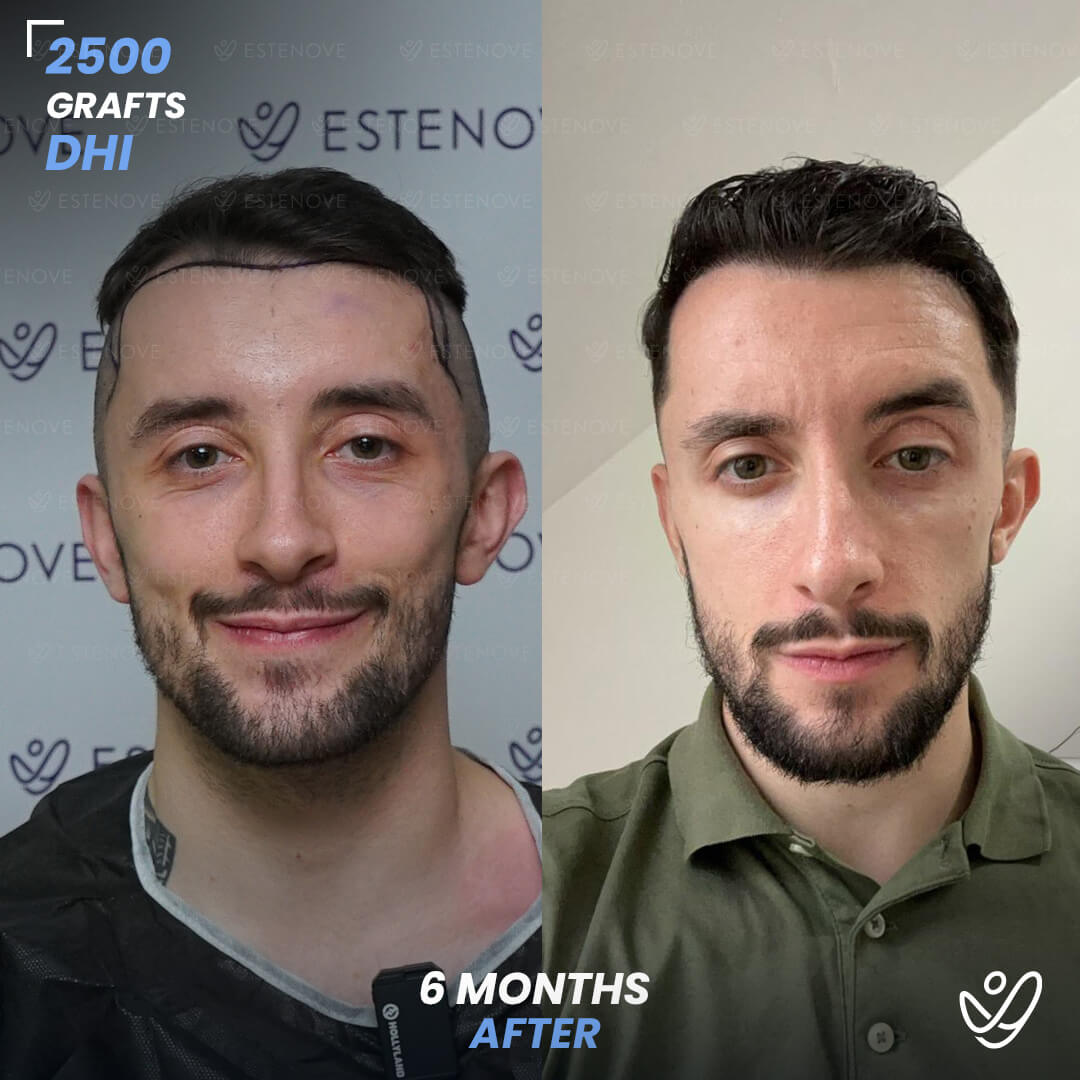
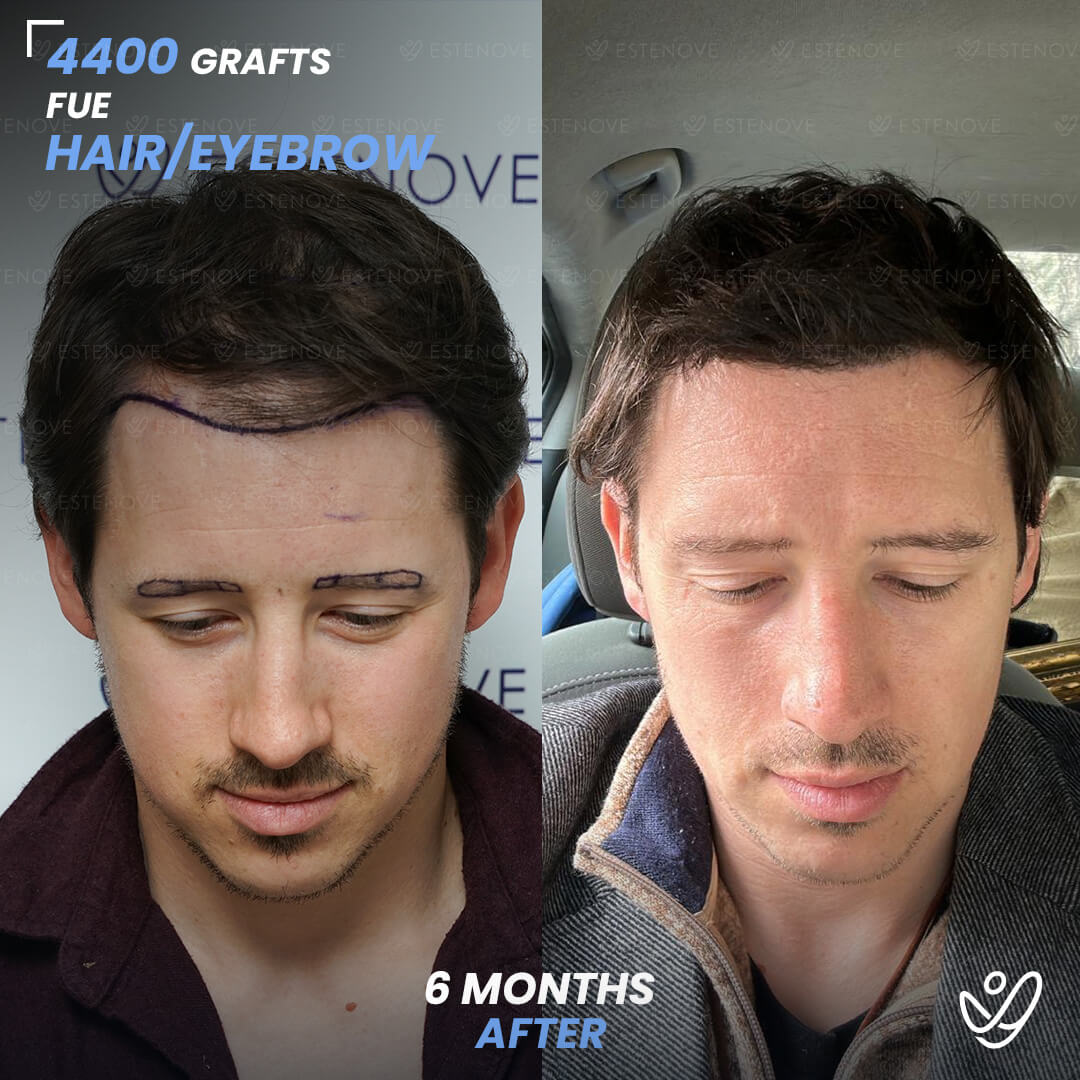
There are two primary techniques used in hair transplant surgery: Direct Hair Implantation (DHI) and Follicular Unit Extraction (FUE). DHI is a precise, minimally invasive hair restoration technique. It involves extracting hair follicles and implanting them directly into the recipient area without incisions or stitches, using a specialized Choi pen for accurate placement. FUE, on the other hand, involves extracting individual hair follicles directly from the donor area and implanting them into the balding regions.
Both methods have their advantages and disadvantages. The main advantage of DHI is the level of precision it offers. The Choi pen allows the surgeon to control the depth, angle, and direction of each implanted hair, resulting in a more natural look. FUE, while more time-consuming, leaves minimal scarring and offers a quicker recovery time. The choice between these techniques depends on various factors, including the extent of hair loss, the patient’s preferences, and the surgeon’s expertise.

Ready to restore your hair?
Get in touch anytime — our experts are here 24/7 for a free online consultation
Factors Influencing the Cost of Hair Transplant
The cost of hair transplant surgery can vary significantly based on several factors. One of the primary determinants is the number of grafts required. More extensive hair loss will necessitate more grafts, increasing the overall cost. Additionally, the technique used (DHI or FUE) can influence the price, with DHI generally being more expensive due to its labor-intensive nature.
Other factors that can affect the cost include the surgeon’s experience and reputation, the location of the clinic, and the level of post-operative care provided. Clinics in major cities or countries with a high cost of living tend to charge more for their services. It’s crucial to consider these factors when comparing hair transplant costs across different destinations.
Comparing Hair Transplant Costs: Canada, Turkey, and Other Destinations
When it comes to hair transplant surgery, the cost can vary widely depending on the country. Canada and Turkey are two popular destinations for this procedure, each offering unique advantages and disadvantages.
| Country | FUE Cost | DHI Cost |
|---|---|---|
| Estenove / Turkey | $3,750.00 | $3,750.00 |
| Turkey | $2,800.00 | $4,500.00 |
| Mexico | $4,000.00 | $5,000.00 |
| Thailand | $4,500.00 | $5,500.00 |
| Poland | $6,000.00 | $6,500.00 |
| Korea | $6,000.00 | $6,800.00 |
| Brazil | $6,000.00 | $8,000.00 |
| UK | $9,500.00 | $8,000.00 |
| Ireland | $9,500.00 | $8,000.00 |
| Australia | $9,500.00 | $10,500.00 |
| New Zealand | $9,500.00 | $10,500.00 |
| Germany | $10,000.00 | $11,500.00 |
| USA | $14,000.00 | $12,000.00 |
| Canada | $14,500.00 | $12,500.00 |
| France | $16,000.00 | $19,000.00 |
| Duration | 2-8 Hours | 5-9 Hours |
| *The costs provided are average estimates for 4,000 grafts. Get more detailed info at Hair Transplant Cost in Turkey. | ||
Breakdown of Costs by Popular Destinations
In Canada, the cost of hair transplant surgery can range from $7,250 for 2000 grafts to $25,000 for 8000 grafts depending on the number of grafts and the clinic’s location. This price includes the surgeon’s fee, anesthesia, and post-operative care. However, it’s essential to note that these costs can be higher in major cities like Toronto and Vancouver.
In contrast, Turkey has become a leading destination for affordable hair transplant surgery. The cost in Turkey typically ranges from $1,400 for 2000 grafts to $9,000 for 8000 grafts, making it a more budget-friendly option. This lower price does not compromise the quality of care, as Turkish clinics are known for their high standards and experienced surgeons.
At Estenove, we don’t charge per graft, instead you’ll receive the maximum number of grafts necessary for your treatment for a fixed $3,500. Contact us to get your free hair analysis.
Why Costs Vary Between Countries
The significant difference in hair transplant costs between countries can be attributed to several factors. One of the primary reasons is the cost of living. Countries with a lower cost of living, like Turkey, can offer medical procedures at a fraction of the price compared to countries with a higher cost of living, such as Canada.
Additionally, the availability of skilled surgeons and advanced medical facilities can influence the cost. Turkey has a high concentration of experienced hair transplant surgeons who perform thousands of procedures annually, allowing them to offer competitive prices without compromising quality.

Calculate the number of grafts needed for your hair transplant and get an estimated cost for various destinations
Does More Expensive Hair Transplants Mean Better?
While it might be tempting to assume that a higher price equates to better quality, this is not always the case with hair transplant surgery. Many factors contribute to the success of the procedure, including the surgeon’s skill, the technique used, and the patient’s individual characteristics.

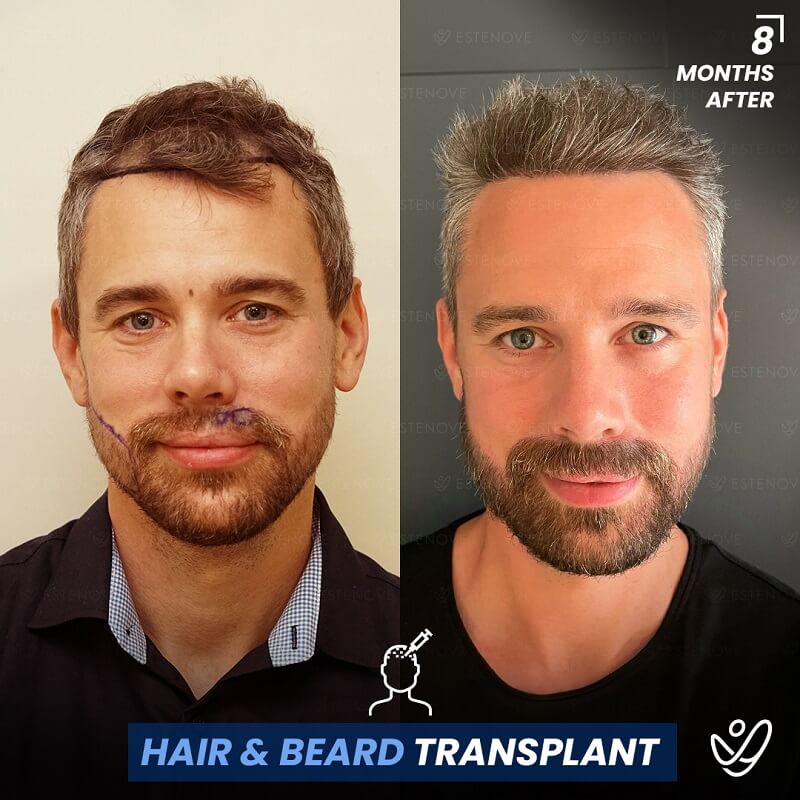

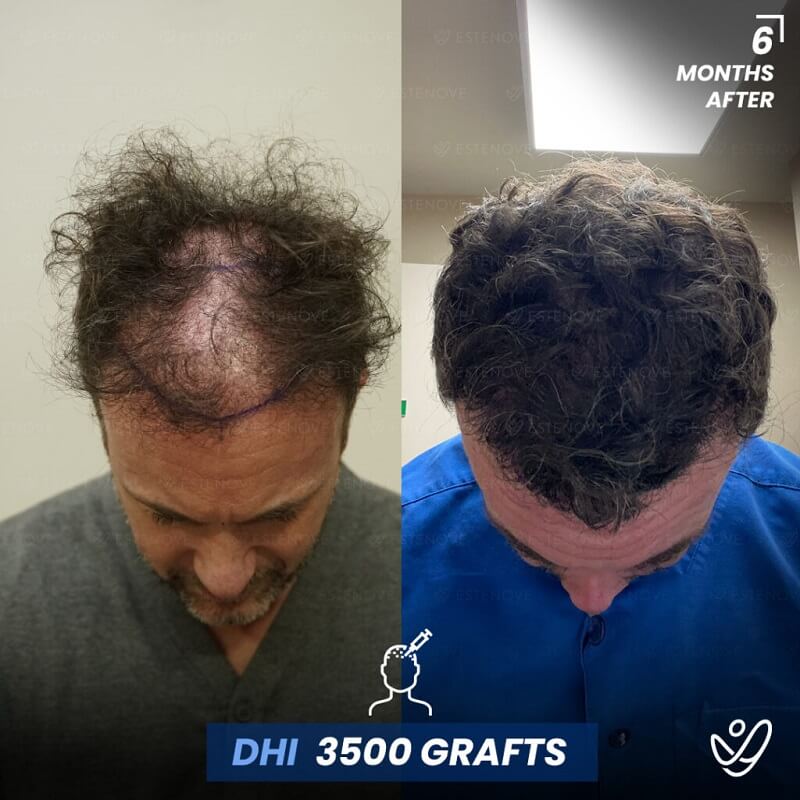
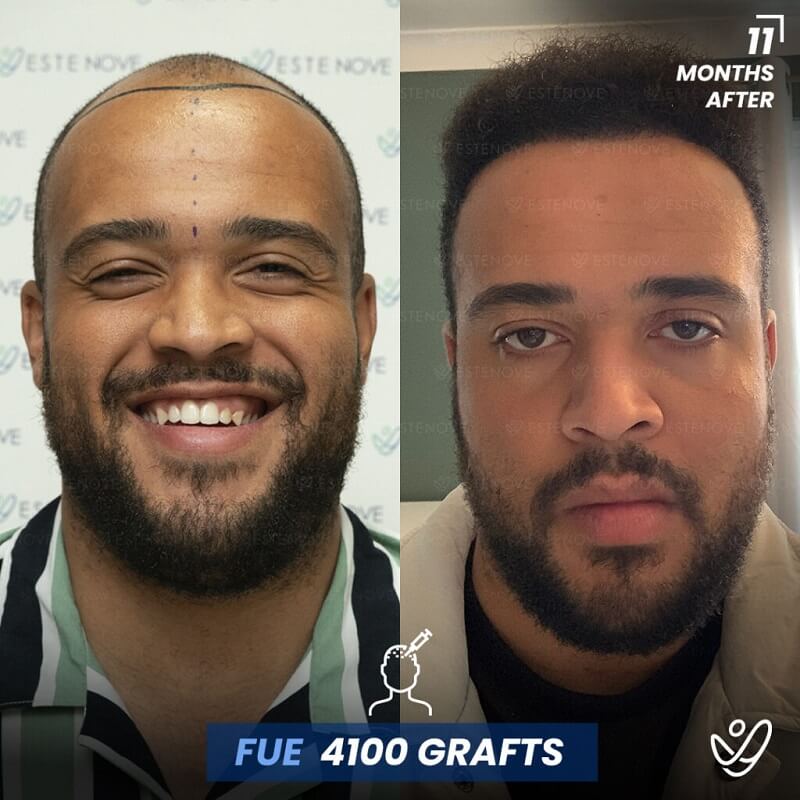


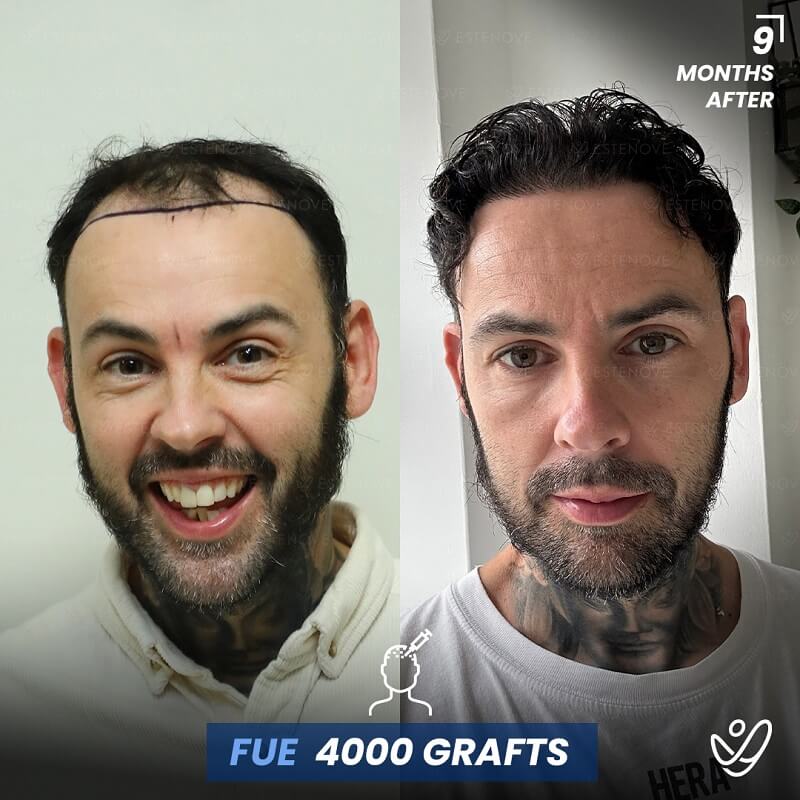
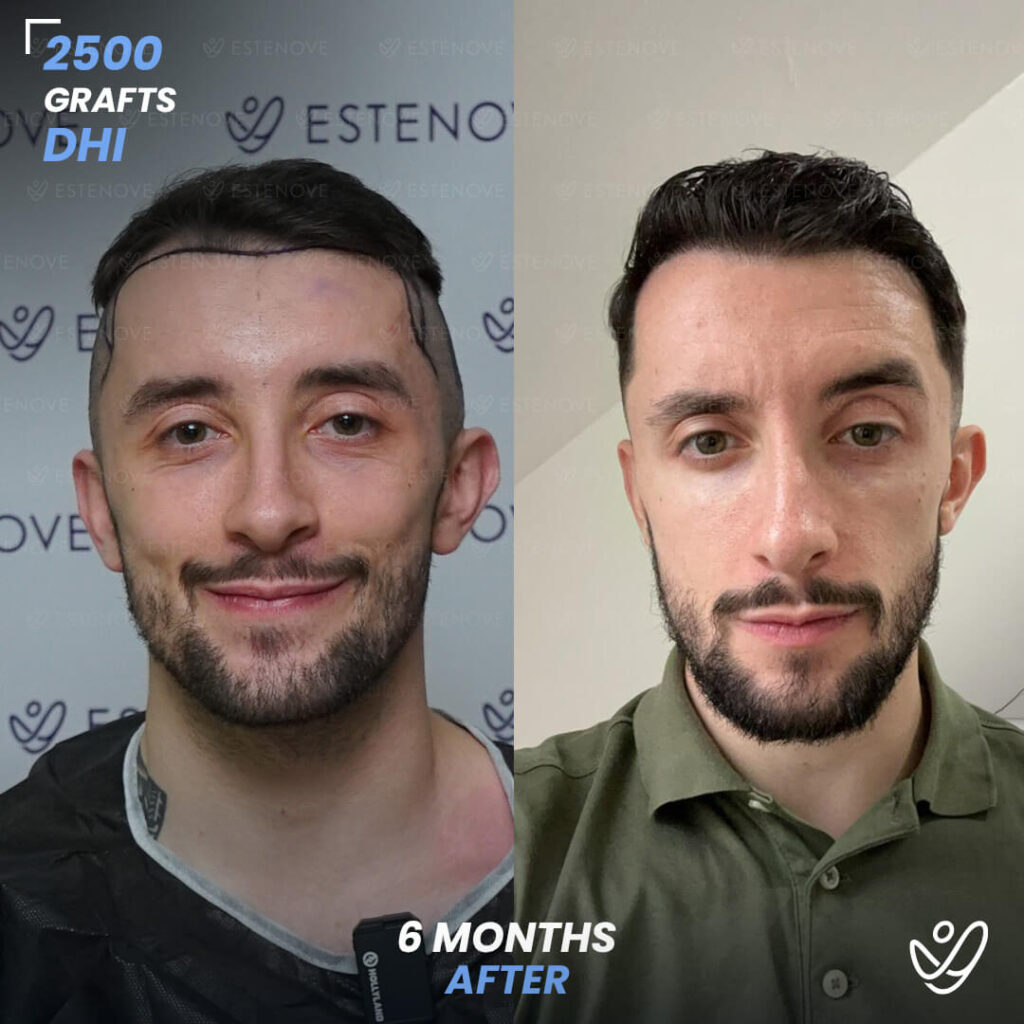
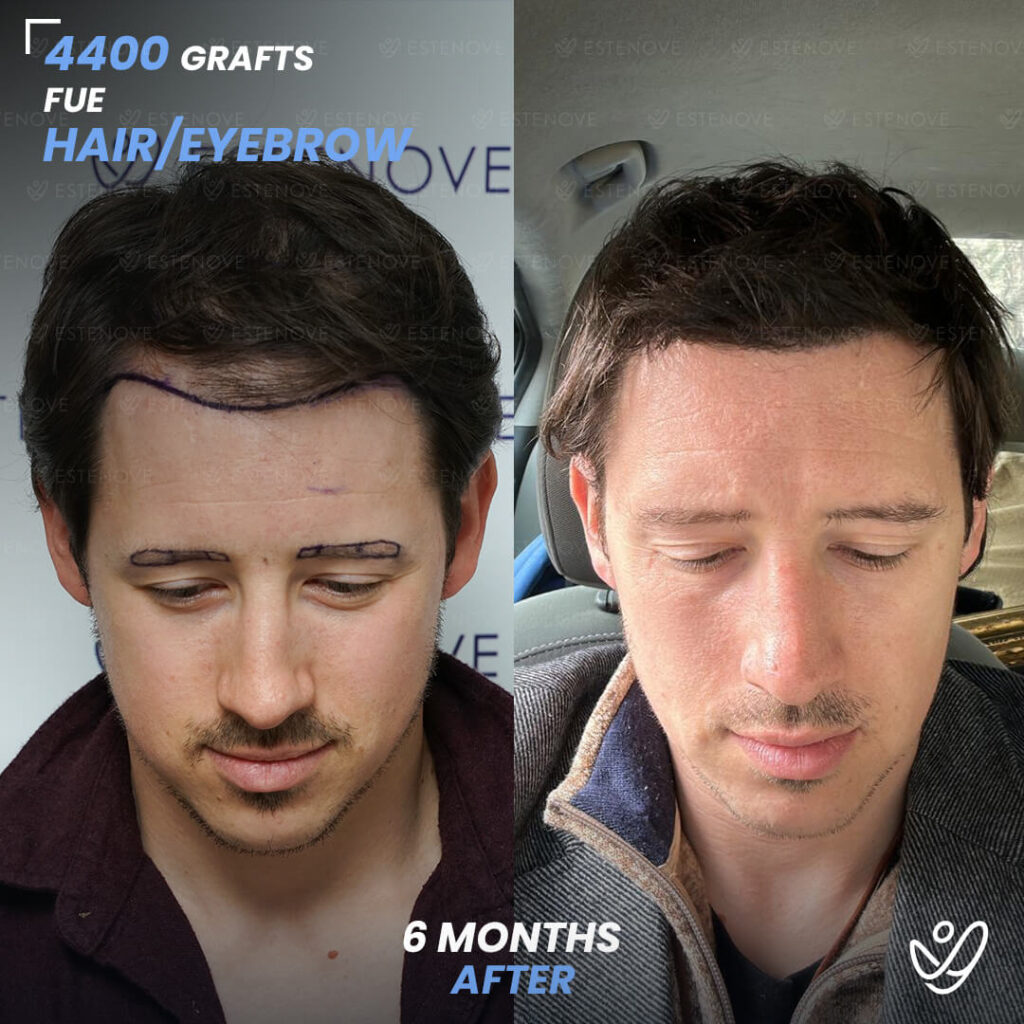
Turkey, for example, offers high-quality hair transplant services at a lower cost due to its competitive market and the high volume of procedures performed. This experience translates into excellent results, making Turkey a popular choice for men seeking affordable yet effective hair transplant solutions.
Additional Costs to Consider
When planning for hair transplant surgery, it’s essential to consider additional costs beyond the procedure itself. These may include travel expenses, accommodation, and post-operative medications. In Canada, these costs can add up quickly, especially if you need to travel to a major city for the surgery.
In Turkey, many clinics offer comprehensive packages that include airport transfers, accommodation, and post-operative care, making it a more convenient and cost-effective option for international patients. These packages can significantly reduce the overall cost and provide a hassle-free experience.
Hair Transplantation in Canada
Canada is home to several reputable hair transplant clinics, offering advanced techniques and experienced surgeons. The country’s healthcare system ensures high standards of care, making it a reliable choice for men seeking hair transplant surgery.
Overview of Hair Transplantation in Canada
In Canada, hair transplant clinics are primarily located in major cities such as Toronto, Vancouver, and Montreal. These clinics offer both DHI and FUE techniques, allowing patients to choose the method that best suits their needs. Canadian surgeons are known for their expertise and commitment to patient care, ensuring successful outcomes.
However, the cost of hair transplant surgery in Canada can be a significant consideration. With prices ranging from $5,000 to $15,000, it may not be the most affordable option for everyone. Additionally, the waiting times for consultations and procedures can be longer due to the high demand for these services.
Hair Transplantation in Turkey
Turkey has emerged as a leading destination for hair transplant surgery, attracting thousands of international patients each year. The country’s combination of affordable prices, experienced surgeons, and appealing tourist destinations makes it an excellent choice for men seeking hair transplant solutions.
Overview of Hair Transplantation in Turkey
Turkish hair transplant clinics are renowned for their high standards of care and advanced techniques. The country boasts a large number of experienced surgeons who perform thousands of procedures annually, ensuring a high level of expertise. This experience translates into excellent results, with many patients achieving natural-looking hair restoration.
In addition to the quality of care, Turkey offers a unique advantage in terms of cost. The lower cost of living and competitive market allow Turkish clinics to offer hair transplant surgery at a fraction of the price compared to other countries. This affordability does not compromise the quality of care, making Turkey a popular choice for men seeking effective and budget-friendly hair transplant solutions.
Cost of Hair Transplant in Turkey
The cost of hair transplant surgery in Turkey typically ranges from $1,500 to $4,000, depending on the number of grafts and the clinic’s reputation. Many clinics offer comprehensive packages that include airport transfers, accommodation, and post-operative care, providing a convenient and cost-effective solution for international patients.
Moreover, Turkey’s rich cultural heritage and beautiful tourist destinations make it an attractive option for medical tourism. Patients can combine their hair transplant surgery with a memorable vacation, exploring the country’s historic sites, vibrant markets, and stunning landscapes.
In conclusion, Turkey stands out as an excellent choice for hair transplant surgery due to its cost advantage, experienced surgeons, and appealing tourist destinations. Men seeking effective and affordable hair transplant solutions should consider Turkey as a top destination for their procedure.