You’ve noticed more hair in your shower drain since starting Ozempic, and you’re wondering if the medication is to blame. You’re not imagining things. Roughly 3 in 100 people experience hair loss while taking semaglutide, according to clinical trials involving over 4,500 participants. That might sound like a small percentage, but when you’re watching your hairbrush fill up faster than usual, statistics offer little comfort.
Here’s what most people get wrong about this issue: they assume the drug itself is attacking their hair follicles. The reality is more nuanced and, frankly, more manageable once you understand what’s actually happening. Semaglutide users were found to be 50% more likely to experience hair loss than those on other weight-loss medications in a recent study. But the mechanism behind this shedding isn’t what you’d expect.
The good news? Most hair loss connected to Ozempic is temporary and treatable. The bad news? If you don’t address the underlying causes, you might be dealing with thinning hair longer than necessary. Understanding why this happens puts you in control of stopping it.
Table of Contents
- Understanding the Link Between Ozempic and Thinning Hair
- The Role of Telogen Effluvium in Weight Loss
- Practical Strategies to Prevent and Manage Hair Loss
- When Hair Loss Doesn’t Stop: Unmasking Genetic Baldness
- Moving Forward With Confidence
Understanding the Link Between Ozempic and Thinning Hair
The connection between Ozempic and hair loss confuses many patients because the medication doesn’t directly target hair follicles. Semaglutide works by mimicking a hormone called GLP-1, which regulates appetite and blood sugar. Nothing in its mechanism of action involves your scalp or hair growth cycles.
So why does hair fall out? Dr. Kathy Zhou, MD, explains it clearly: “Hair loss from Ozempic is not caused by the medication itself, but rather by the body’s reaction to rapid weight loss. The body perceives weight loss as a stress and conserves resources for vital organs.” Your body essentially decides that maintaining a full head of hair isn’t a priority when it thinks you’re facing a famine.
This distinction matters because it changes how you approach the problem. You’re not fighting a drug side effect; you’re managing your body’s stress response to significant changes in nutrition and weight.
Is Hair Loss a Direct Side Effect of Semaglutide?
The FDA lists alopecia as a reported adverse event in Ozempic clinical trials, but this requires context. A recent study found that people taking GLP-1 drugs were 26% more likely to develop nonscarring hair loss and 62% more likely to develop pattern hair thinning after six months. These numbers sound alarming until you consider what’s actually driving them.
Doctor suggests most cases of hair loss are tied to overly restrictive caloric intake, not the medication itself. The drug suppresses appetite so effectively that many users drastically cut calories without realizing the nutritional consequences.
Think about it this way: if you suddenly dropped 1,500 calories from your daily intake without adjusting your nutrient balance, your body would react regardless of whether you were taking any medication. Ozempic just makes that caloric restriction much easier to achieve, sometimes to a fault.


The Role of Telogen Effluvium in Weight Loss
Telogen effluvium sounds like a complex medical condition, but the concept is straightforward. Your hair grows in cycles: a growth phase lasting several years, a brief transition phase, and a resting phase called telogen that lasts about three months. Normally, only 10-15% of your hair is in the resting phase at any given time.
When your body experiences significant stress, whether physical, emotional, or nutritional, it can push a much larger percentage of hair follicles into the resting phase simultaneously. Three months later, all that hair sheds at once. This is telogen effluvium, and it’s the primary culprit behind Ozempic-related hair loss.
The timing often confuses patients. You might start losing hair three to four months after beginning treatment, right when you’re feeling great about your weight loss progress. The delay happens because the stress event occurred months ago; you’re just now seeing the fallout.
How Rapid Caloric Deficits Trigger Hair Shedding
The speed of weight loss matters significantly. Losing one to two pounds per week rarely triggers noticeable shedding. Losing five pounds per week or more? Your body sounds the alarm. Many Ozempic users experience dramatic weight loss in the first few months, precisely the pattern most likely to trigger telogen effluvium.
The solution isn’t to stop losing weight but to moderate the pace. Working with your prescribing physician to adjust dosing can help slow weight loss to a more sustainable rate that doesn’t shock your system.
Nutritional Deficiencies and Follicle Health
Beyond calories, specific nutrient deficiencies accelerate hair loss. Your follicles need protein, iron, zinc, biotin, and vitamins D and B12 to function properly. When appetite suppression leads to eating significantly less food overall, these nutrients often fall short even if you’re making healthy choices.
Iron deficiency deserves special attention because it’s already common in women of reproductive age. Add reduced food intake to the equation, and ferritin levels can plummet. Low iron doesn’t just trigger shedding; it can prevent regrowth even after other factors normalize.
Getting blood work done before starting Ozempic and periodically during treatment helps catch deficiencies early. You can’t fix what you don’t know is broken.

Calculate the number of grafts needed for your hair transplant and get an estimated cost for various destinations
Practical Strategies to Prevent and Manage Hair Loss
Preventing hair loss while taking Ozempic requires proactive effort. Waiting until you notice thinning to take action means you’re already three months behind, given the delayed nature of telogen effluvium.
The strategies below work best when implemented from the start of treatment, but they can also help reverse shedding that’s already begun. Consistency matters more than perfection; even partial adherence to these recommendations can make a meaningful difference.
Optimizing Protein Intake and Essential Micronutrients
Protein should be your top priority. Aim for at least 60-80 grams daily, even when appetite is minimal. Hair is made of keratin, a protein, and your body won’t waste amino acids on hair production when dietary protein is scarce.
Consider these practical approaches:
- Prioritize protein at every meal, eating it first before you feel full
- Use protein shakes or bars to supplement when solid food feels unappealing
- Choose protein-dense foods like Greek yogurt, eggs, chicken, and fish
- Track your intake for a few weeks to ensure you’re hitting targets
Beyond protein, focus on iron, zinc, and biotin. A quality multivitamin designed for hair health can fill gaps, but whole food sources remain superior. Leafy greens, nuts, seeds, and lean meats cover most bases.
Topical Treatments and Scalp Care During Treatment
While addressing internal nutrition, external support can help maintain follicle health and encourage regrowth. Minoxidil, available over the counter, remains the gold standard for promoting hair growth. The 5% formulation works for both men and women, though some women prefer the 2% version.
Scalp massage increases blood flow to follicles and may help nutrients reach where they’re needed. Spending two to three minutes daily massaging your scalp costs nothing and carries no risks.
Avoid harsh chemical treatments, excessive heat styling, and tight hairstyles that pull on follicles during this vulnerable period. Your hair is already stressed; don’t add mechanical damage to the equation.
When Hair Loss Doesn’t Stop: Unmasking Genetic Baldness
Sometimes the shedding doesn’t resolve after six to twelve months, even with optimal nutrition and scalp care. This scenario suggests that telogen effluvium may have unmasked underlying androgenetic alopecia, the genetic pattern baldness that affects both men and women.
The rapid weight loss essentially accelerated a process that was going to happen eventually. Hormonal changes associated with significant weight loss can also activate genetic hair loss patterns that were previously dormant.
If your hair loss follows a distinct pattern, receding at the temples in men or thinning at the crown in women, genetics are likely involved. This type of hair loss won’t reverse on its own and requires different treatment approaches.
Permanent Solutions for Lasting Hair Loss
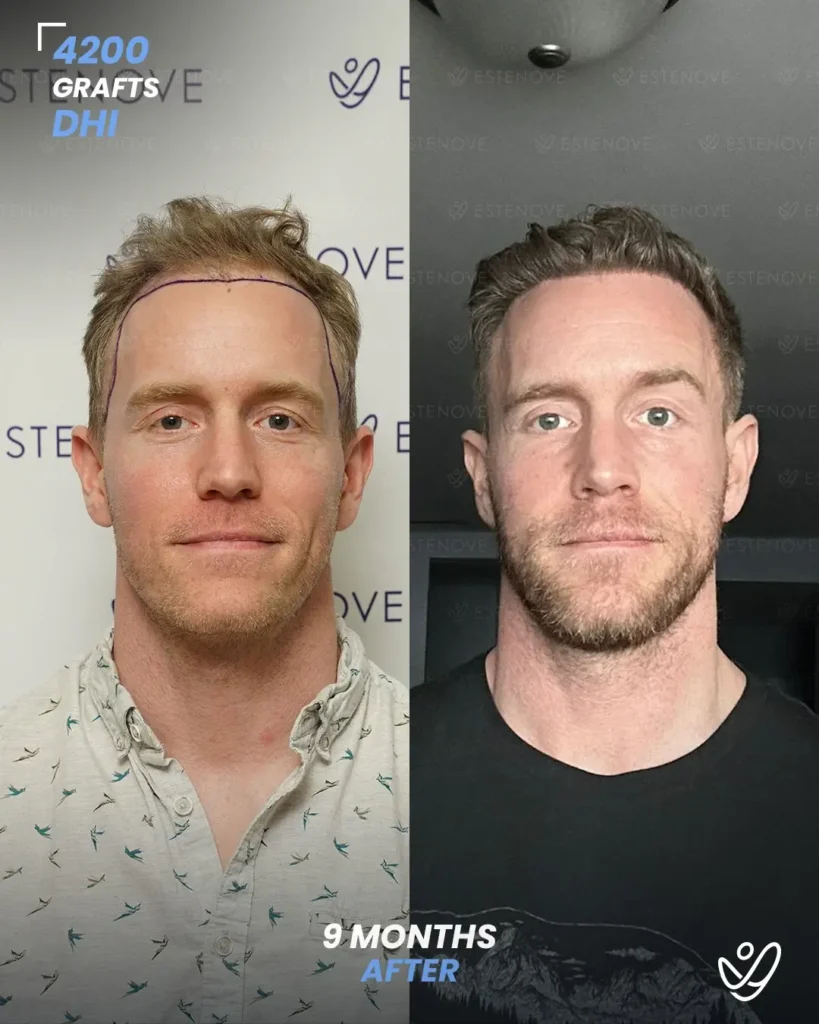
When genetic baldness is confirmed, temporary measures won’t restore what’s lost. Prescription medications like finasteride for men can slow progression, and minoxidil helps both sexes maintain existing hair. But these treatments maintain rather than restore.
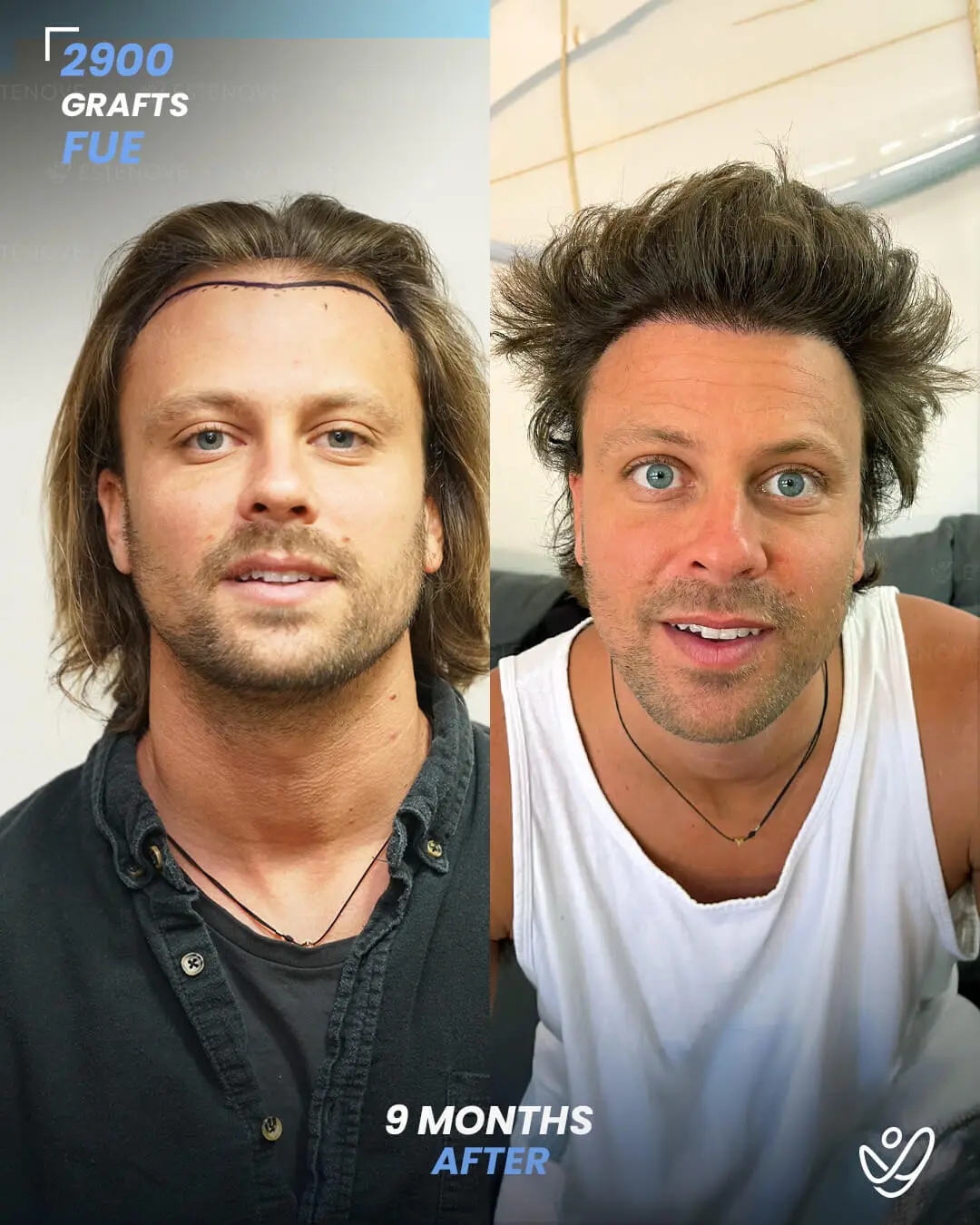
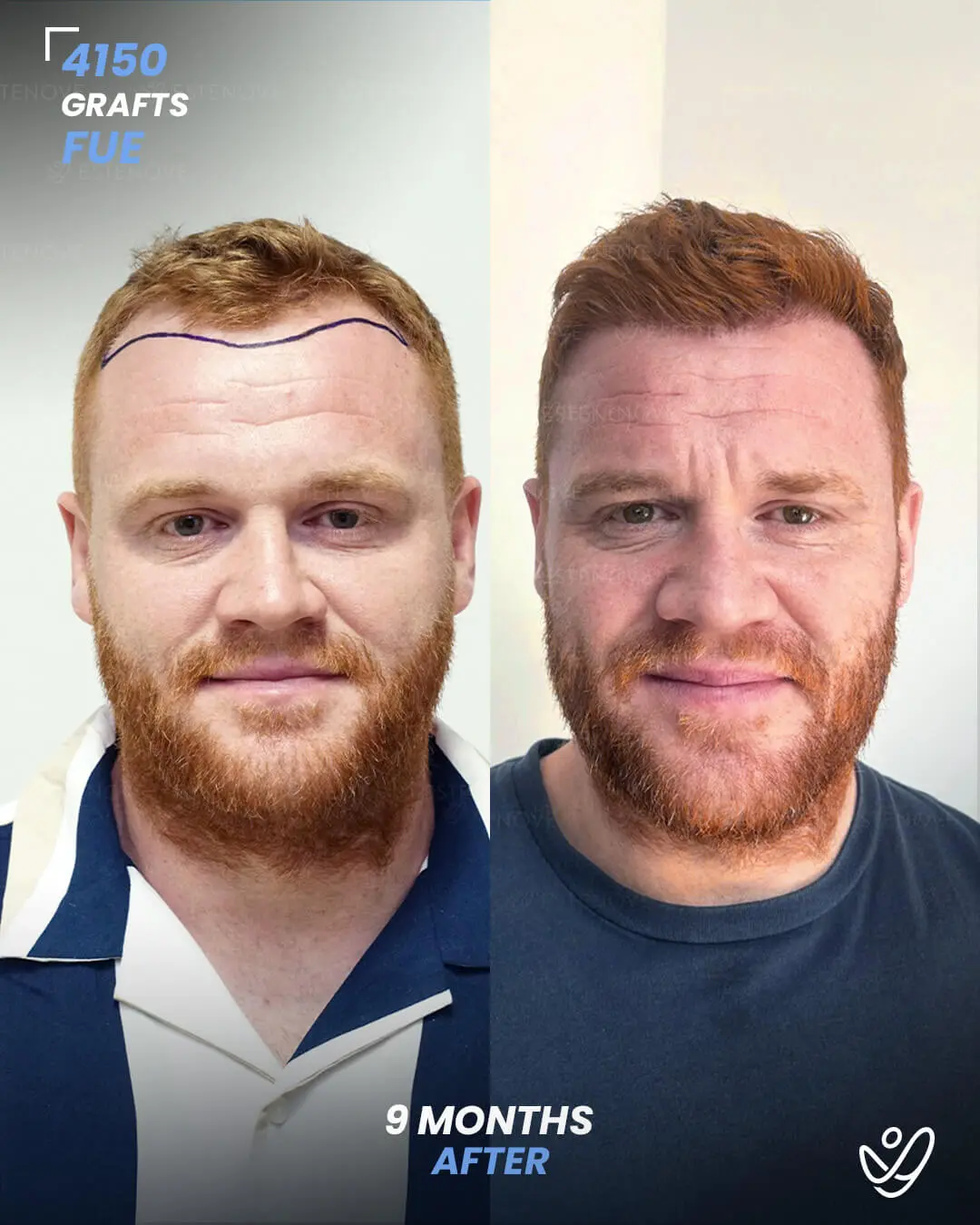
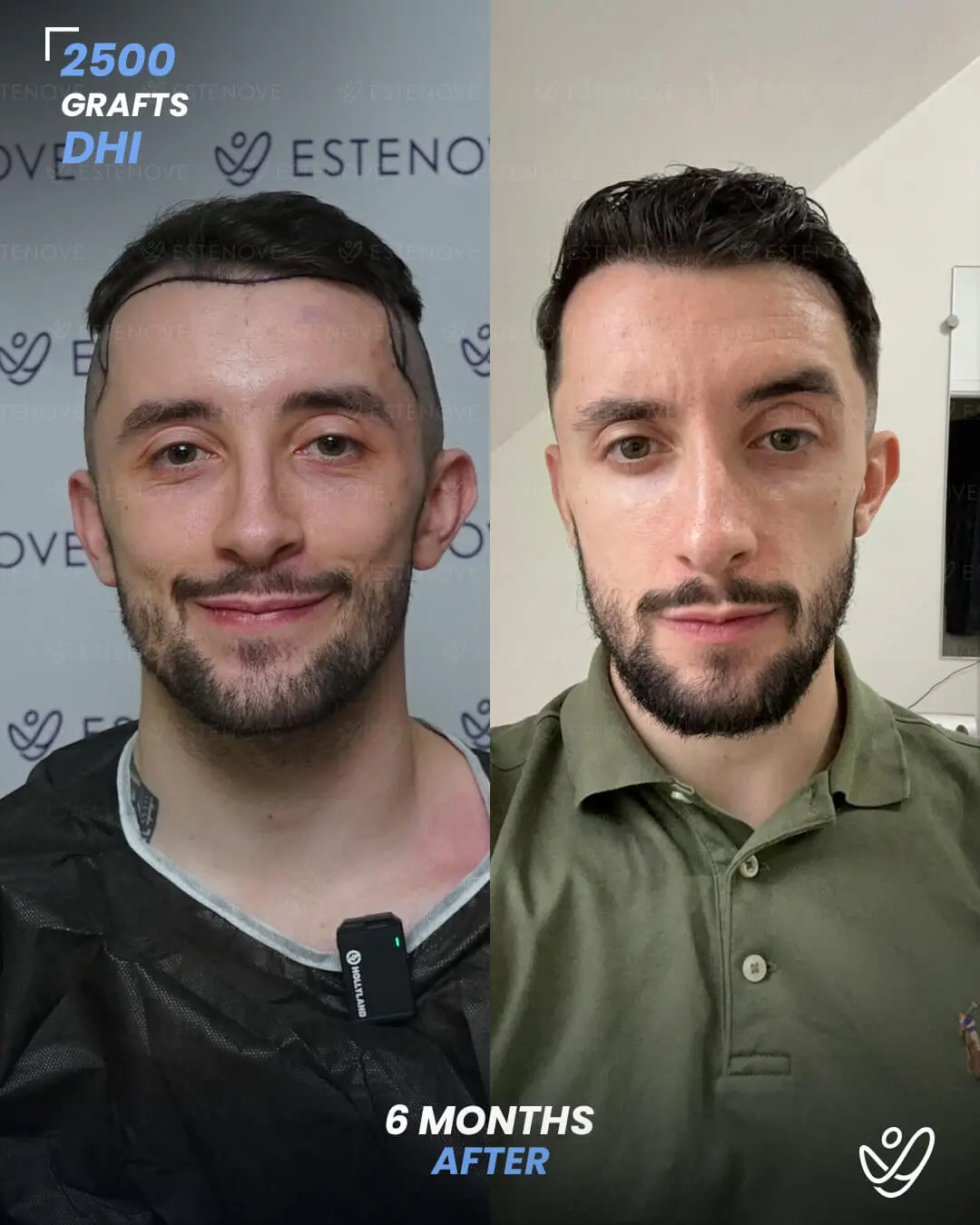
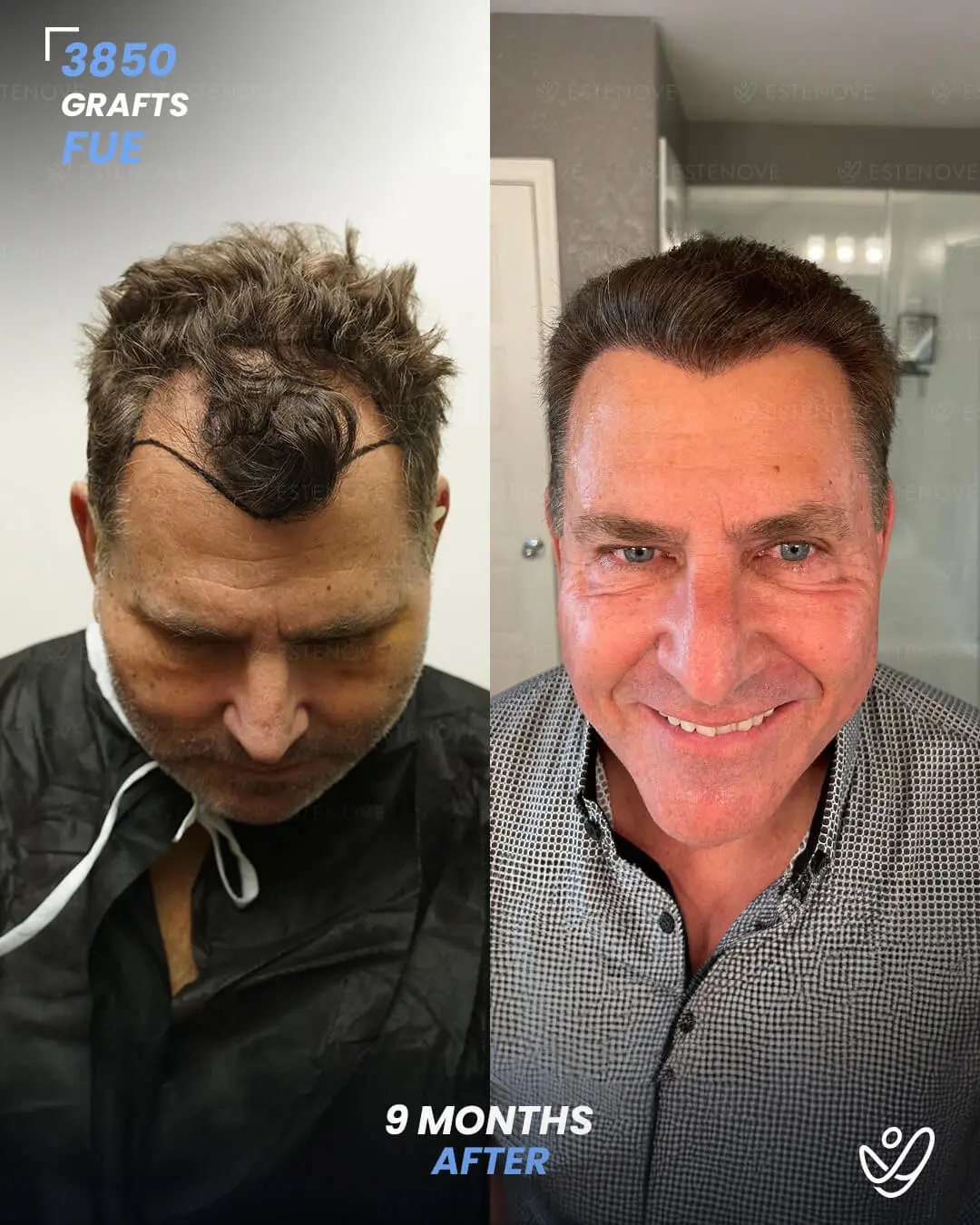
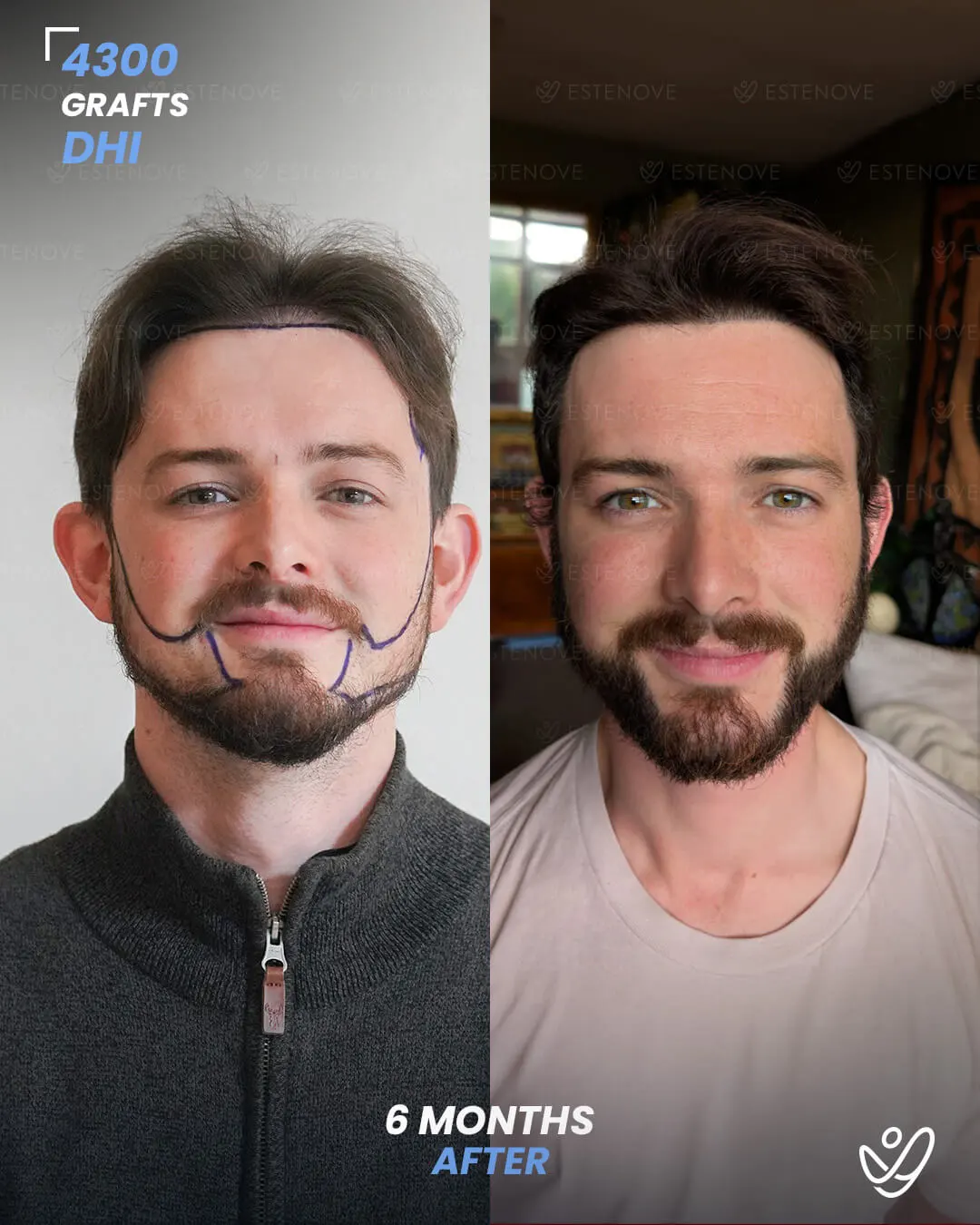
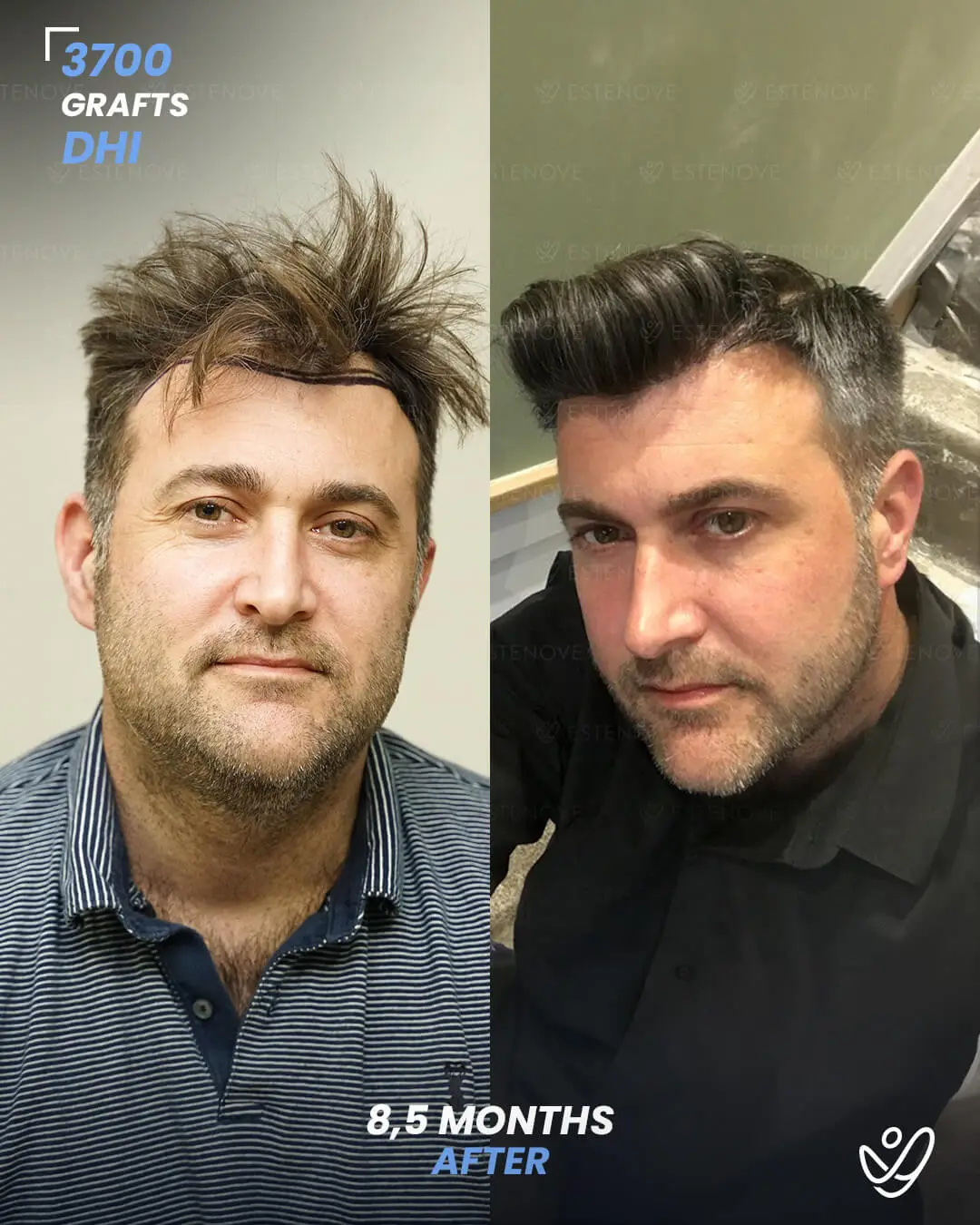
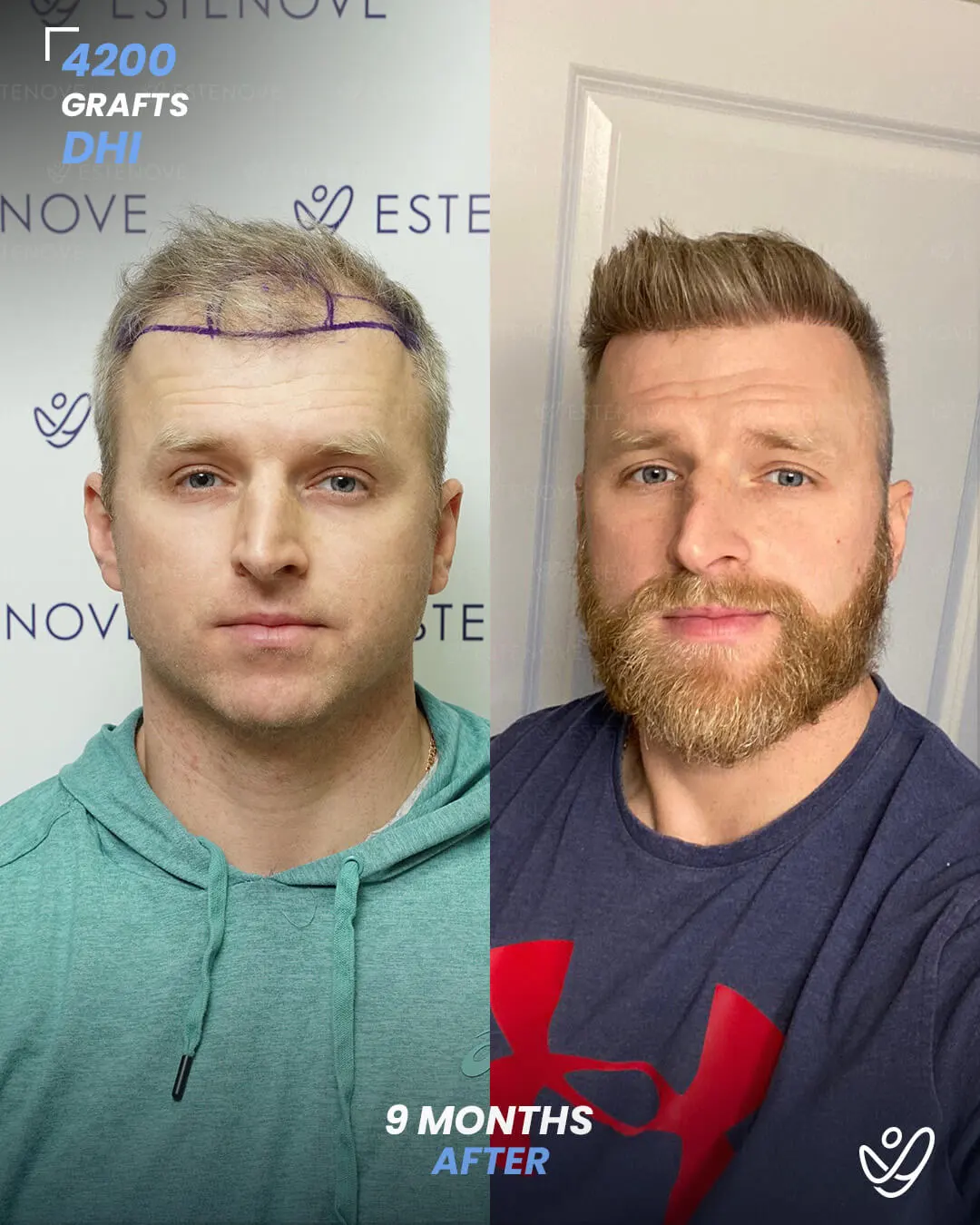
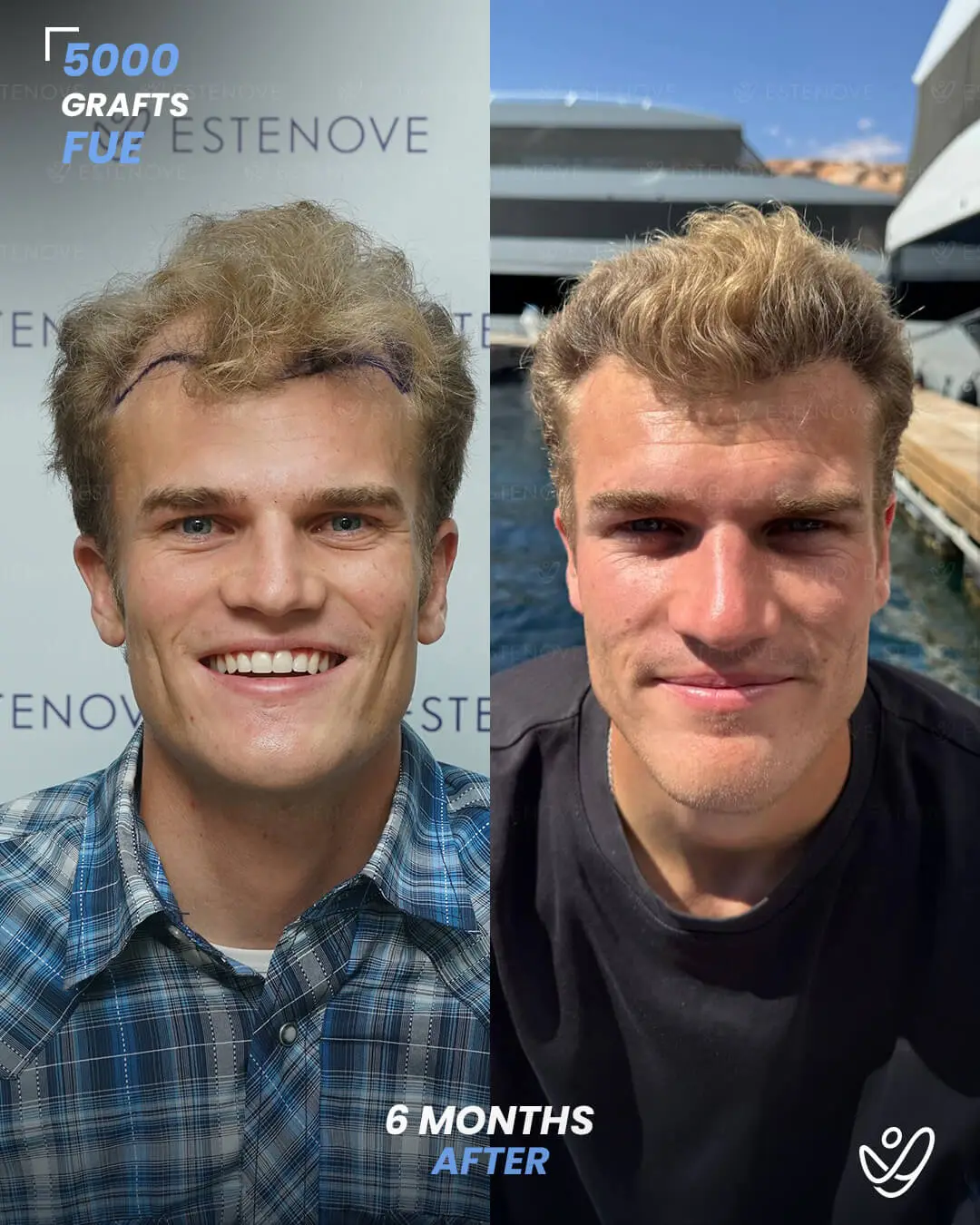
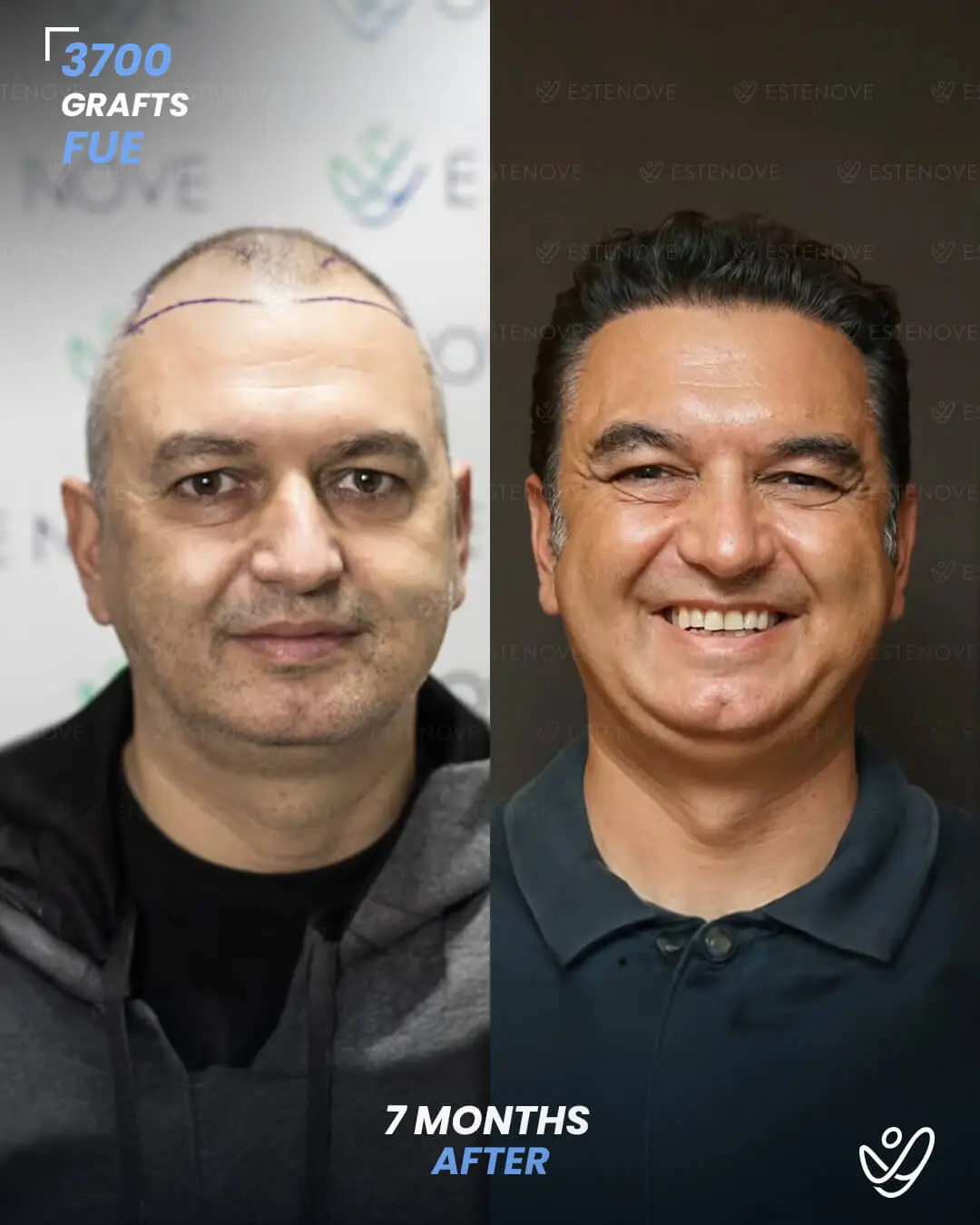
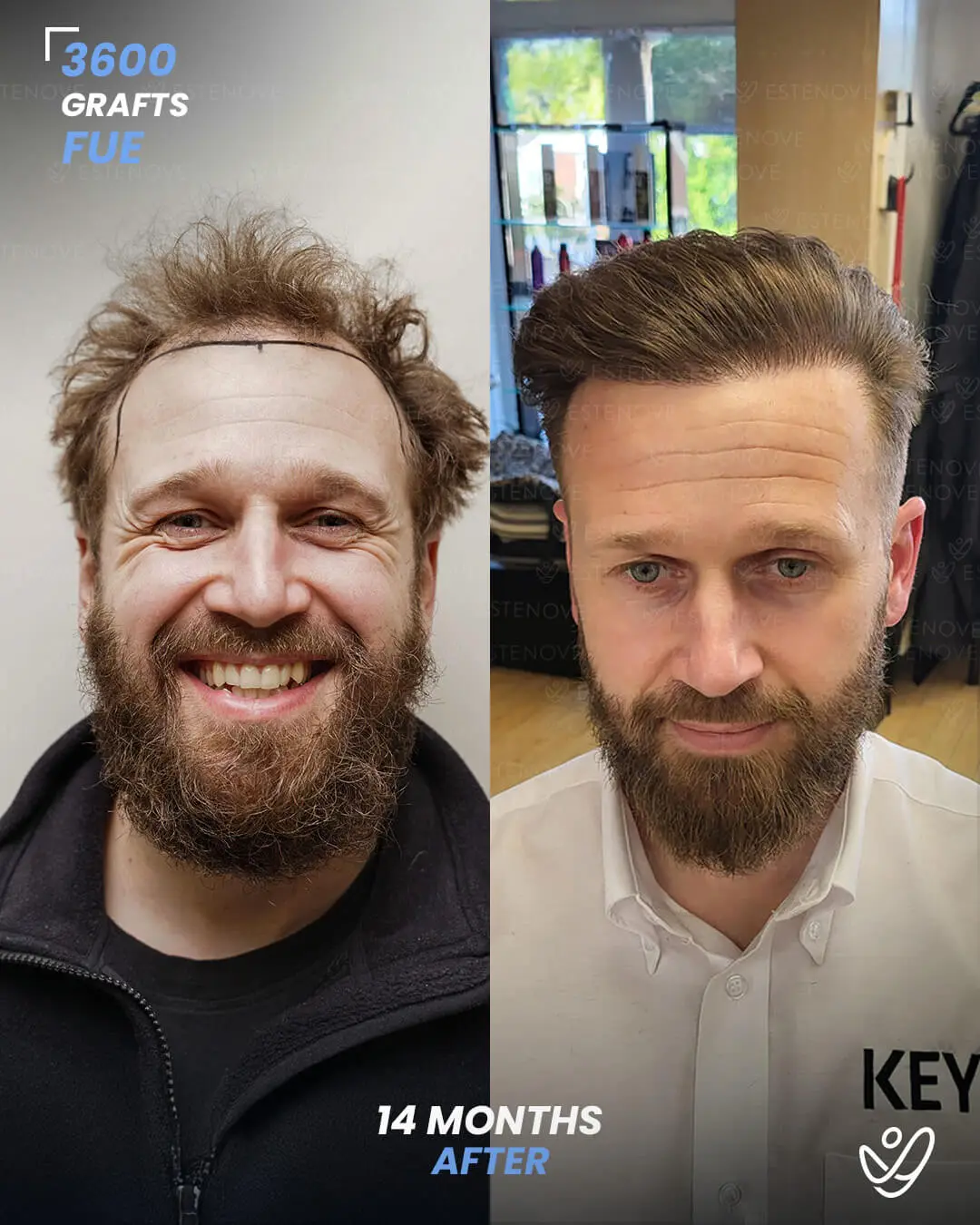
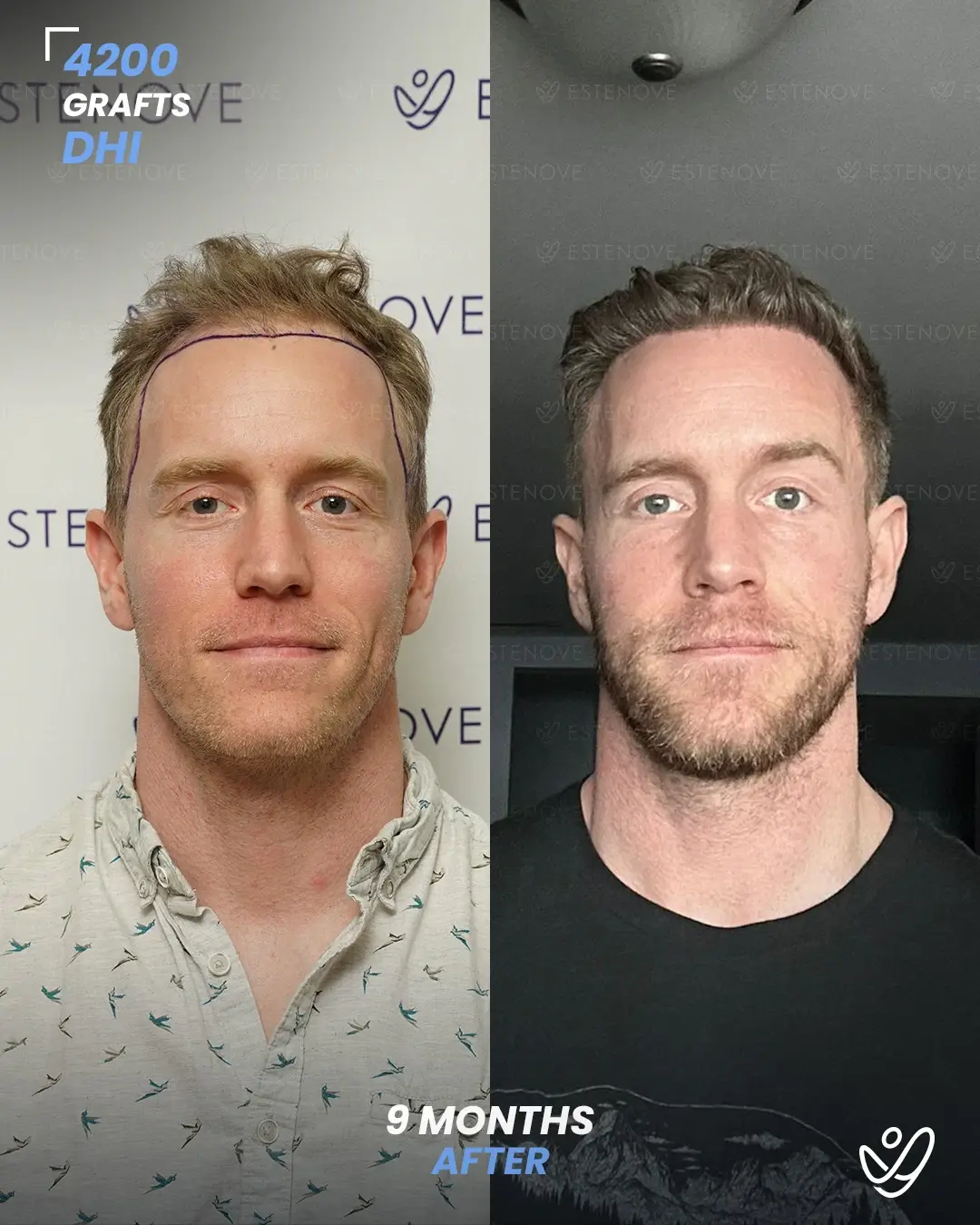
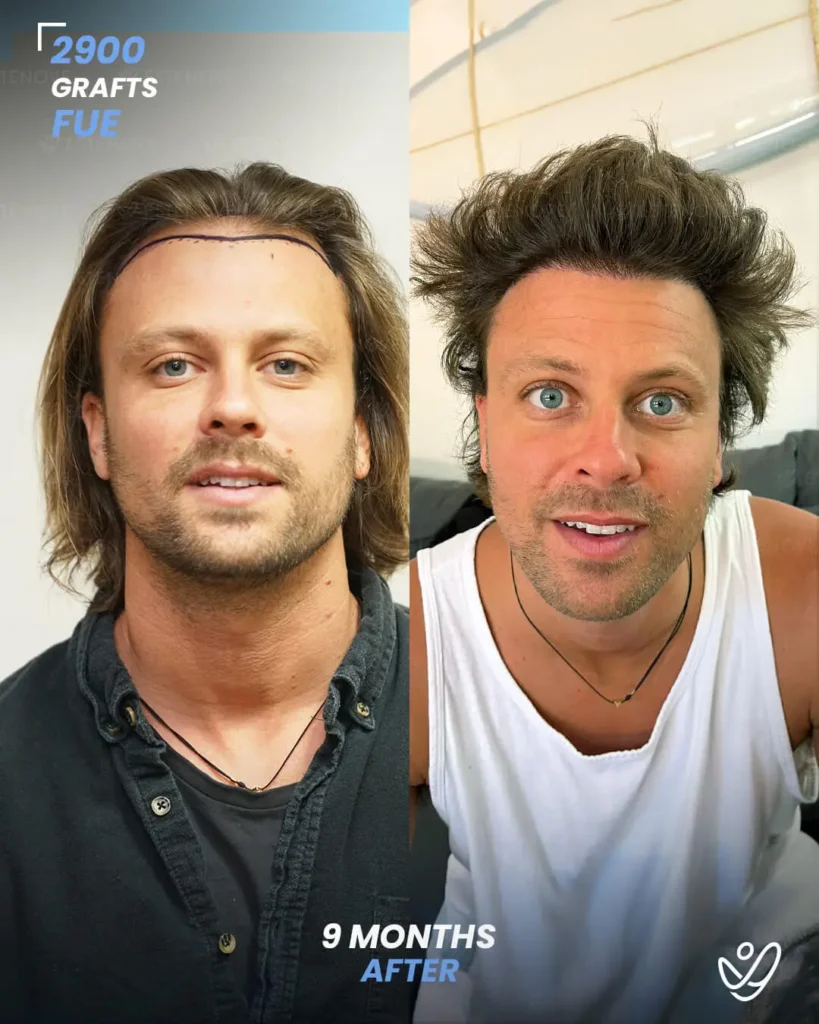
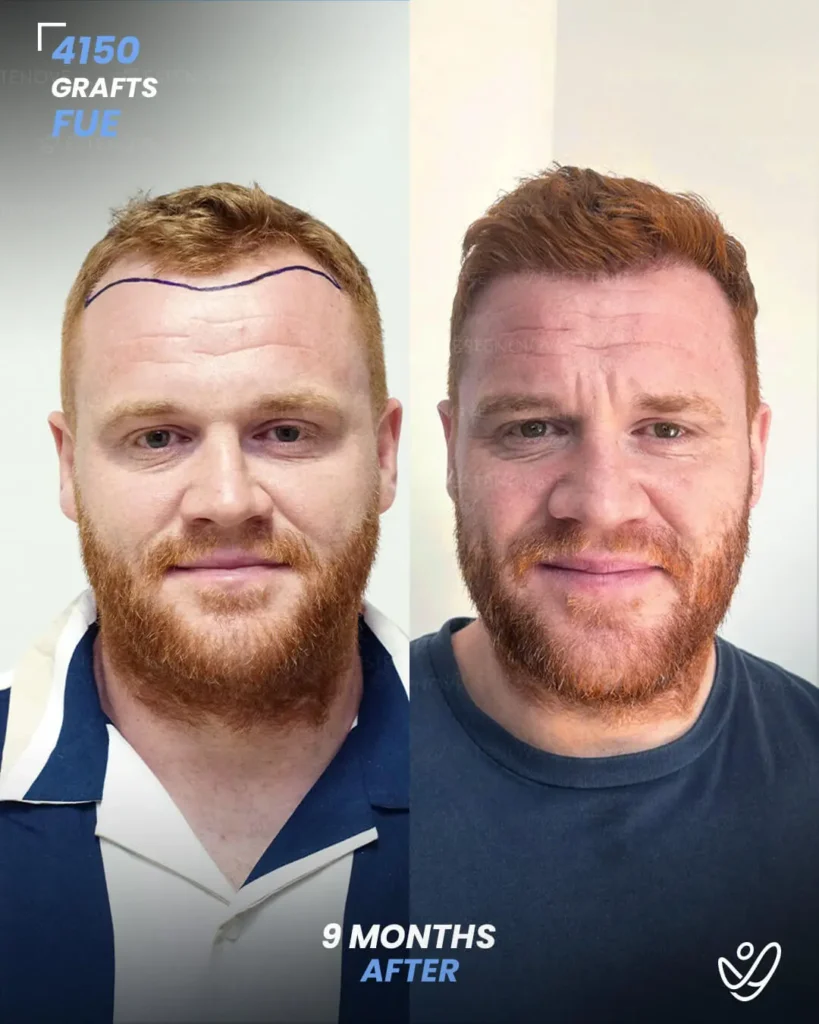
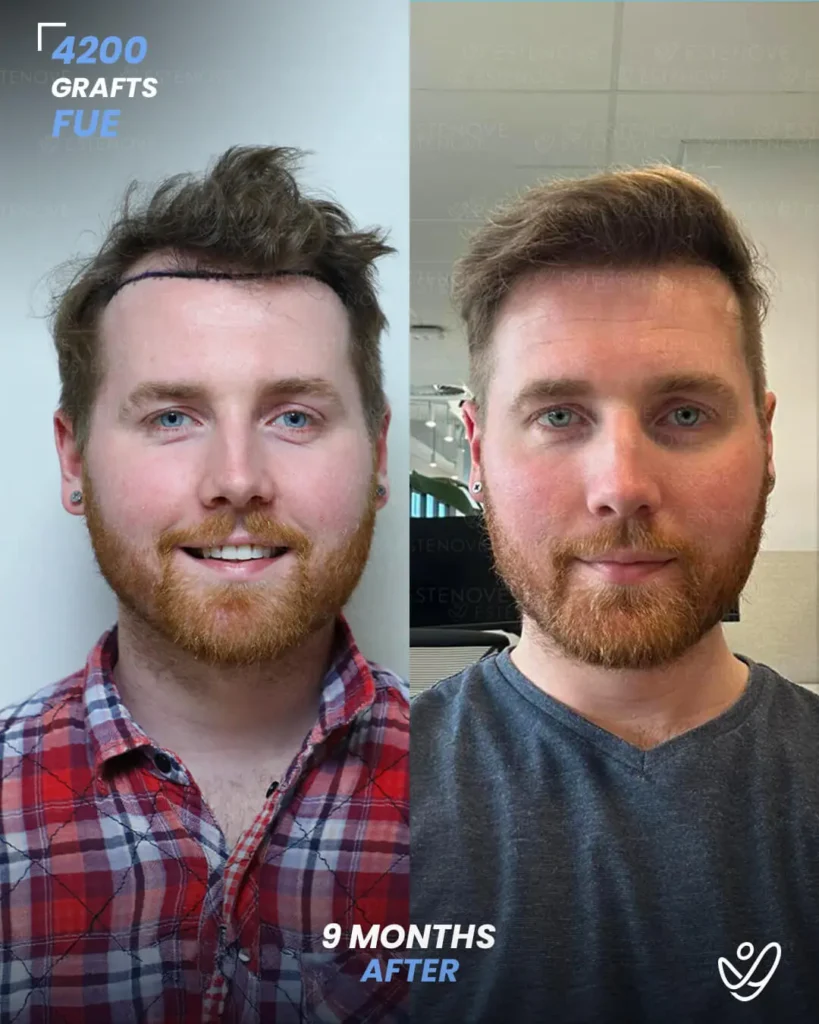
For permanent restoration, hair transplantation remains the most effective option. Modern techniques like FUE extract individual follicles from donor areas and transplant them to thinning regions with natural-looking results. Clinics like Estenove specialize in these procedures for patients who’ve experienced significant loss.
The key is accurate diagnosis. Don’t assume your hair loss is permanent until you’ve given telogen effluvium time to resolve and consulted with a specialist who can evaluate your specific situation.

Ready to restore your hair?
Get in touch anytime — our experts are here 24/7 for a free online consultation
Moving Forward With Confidence
Hair loss while taking Ozempic is common, usually temporary, and largely preventable with the right approach. Focus on adequate protein intake, address nutritional deficiencies proactively, and give your body time to adjust to weight changes. Most patients see their hair return to normal within six to twelve months of stabilizing their weight.
If shedding persists beyond that timeline, seek evaluation from a dermatologist or trichologist who can determine whether genetic factors are at play. Early intervention for androgenetic alopecia produces better outcomes than waiting until significant loss has occurred.
Your weight loss journey doesn’t have to come at the cost of your hair. With proper nutrition, reasonable expectations about the pace of weight loss, and attention to scalp health, you can achieve your goals while keeping your hair intact.
Still not sure? Book a free consultation with our team to get expert advice on which method suits your hair and expectations best.
Frequently Asked Questions (FAQs)
To stop shedding, prioritize a high-protein diet of 60-80 grams daily and ensure you are meeting essential micronutrient needs like iron and zinc to support follicle health. Additionally, moderating the pace of weight loss to one or two pounds per week can prevent the body from entering a stress-induced shedding phase.
In most cases, hair loss is temporary and resolves within six to twelve months once the body adjusts to the weight loss and nutritional levels stabilize. However, the stress of rapid weight loss can sometimes unmask permanent genetic baldness, which may require medical or surgical intervention.
No, hair loss typically occurs three to four months after starting the medication because the condition it triggers, telogen effluvium, involves a delayed resting phase for hair follicles. This delay often means you see the shedding just as you are reaching significant weight loss milestones.
The medication doesn’t directly attack hair; instead, the rapid weight loss and caloric deficit put the body under stress, causing it to divert nutrients away from hair growth toward vital organs. This process pushes a large percentage of hair into a resting phase simultaneously, leading to noticeable thinning.
References
Drugs.com. (n.d.). Do Ozempic, Wegovy, Mounjaro & Zepbound cause hair loss?https://www.drugs.com/medical-answers/ozempic-wegovy-mounjaro-cause-hair-loss-3575019
Hrimn. (n.d.). Thinning hair after Ozempic: Here’s what you need to know and how to get it back. https://hrimn.com/blog-details/thinning-hair-after-ozempic-here-s-what-you-need-to-know-and-how-to-get-it-back
Mansuri, A. (2025, November 28). GLP-1s and hair loss: Causes and prevention. Healthline. https://www.healthline.com/health/glp-1-side-effects-hair-loss
Medical Disclaimer: These are pharmaceutical treatments with distinct mechanisms and risk profiles. The medical information on this site is provided as an information resource only. Always consult a physician before starting or stopping any medication. Medically reviewed by the Estenove Medical Board. (February 2026)