Key Takeaways
-
The Concept: An advanced regenerative treatment that uses your body’s own cells to repair and “wake up” dormant hair follicles.
-
The Goal: It aims to restart the hair growth cycle, improve scalp blood flow, and reduce inflammation that causes shedding.
-
The Procedure:
-
Harvesting: A small sample of tissue or fat is taken from the patient.
-
Processing: The sample is processed in a lab to concentrate the stem cells and growth factors.
-
Injection: The solution is injected back into thinning areas of the scalp.
-
-
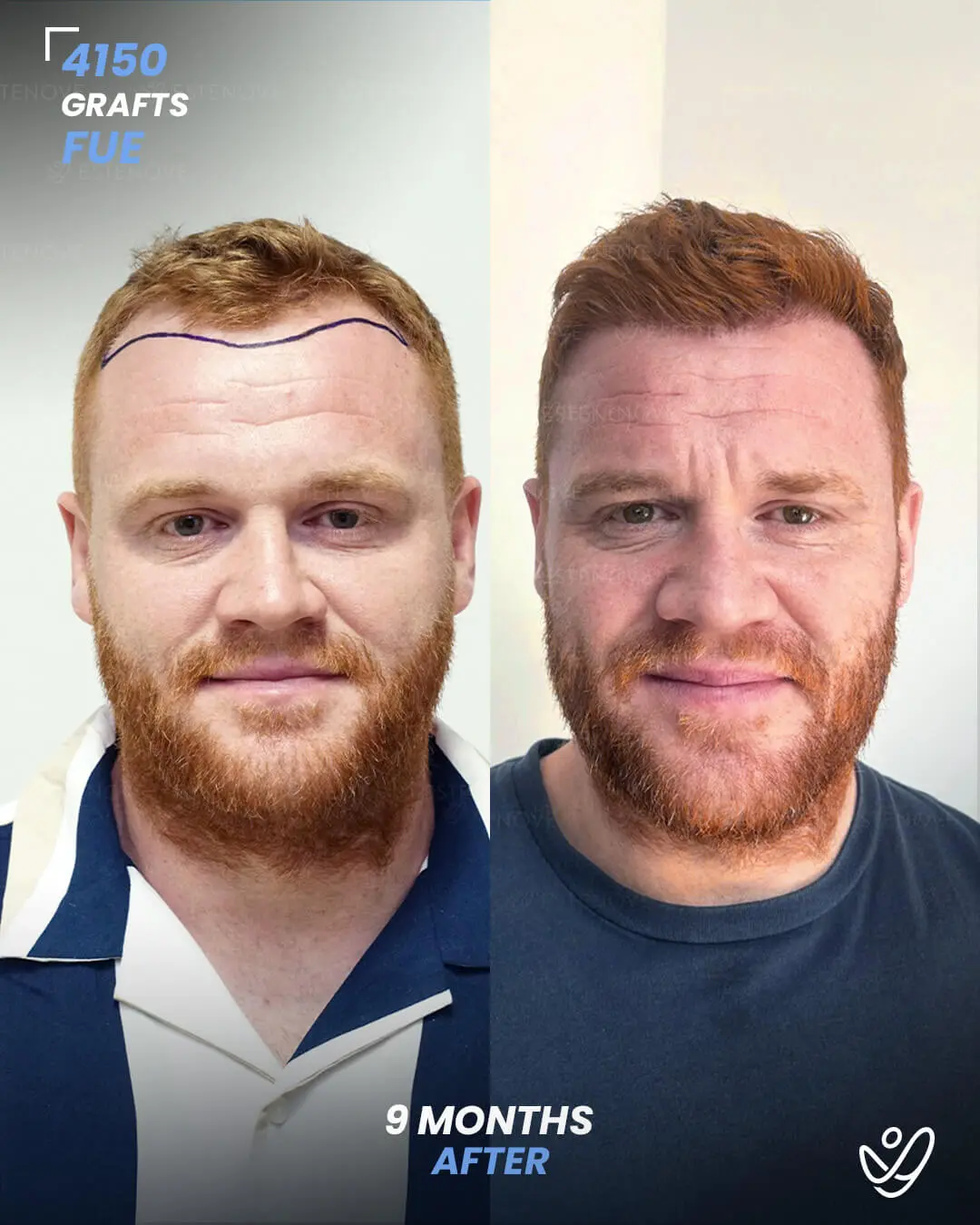
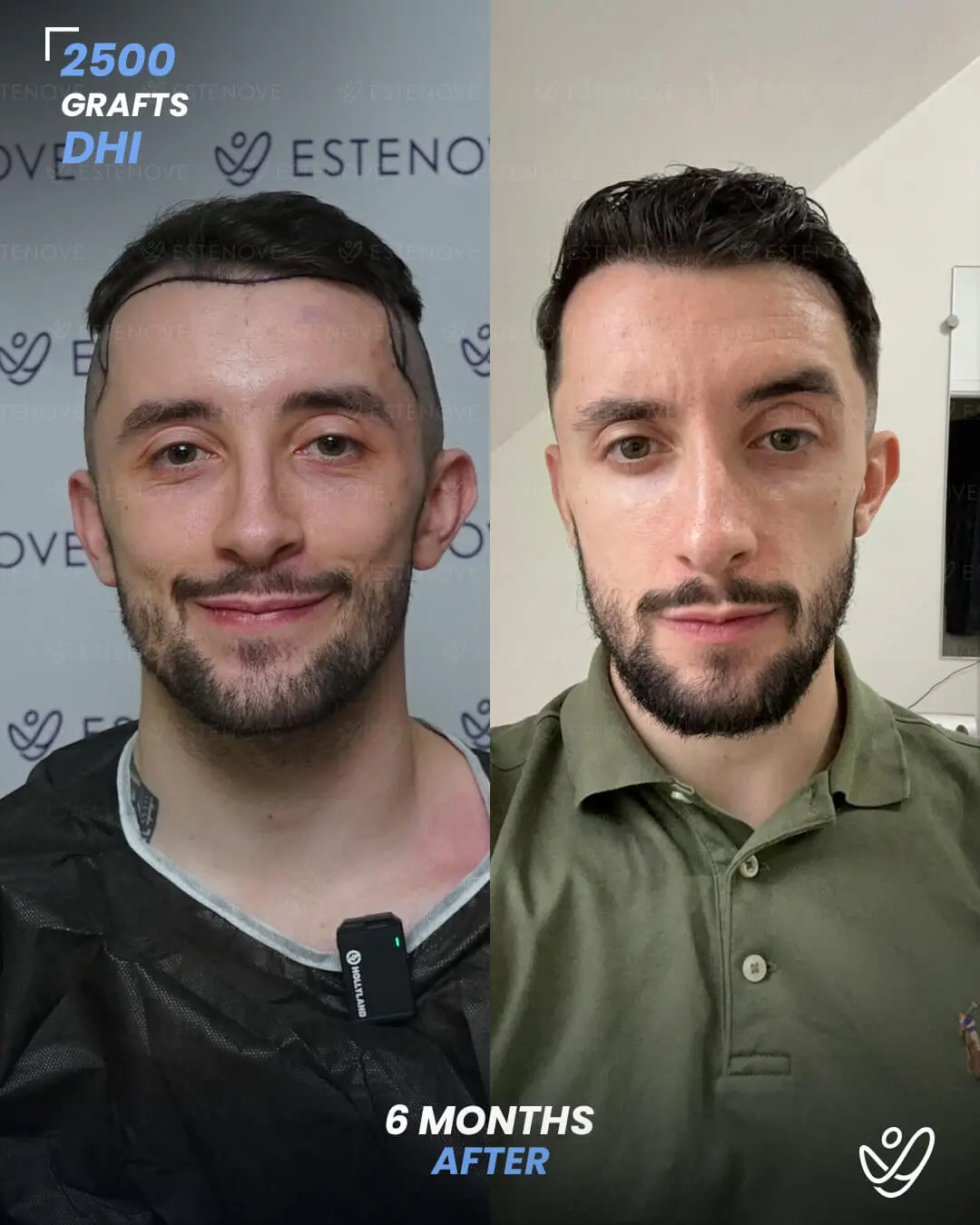
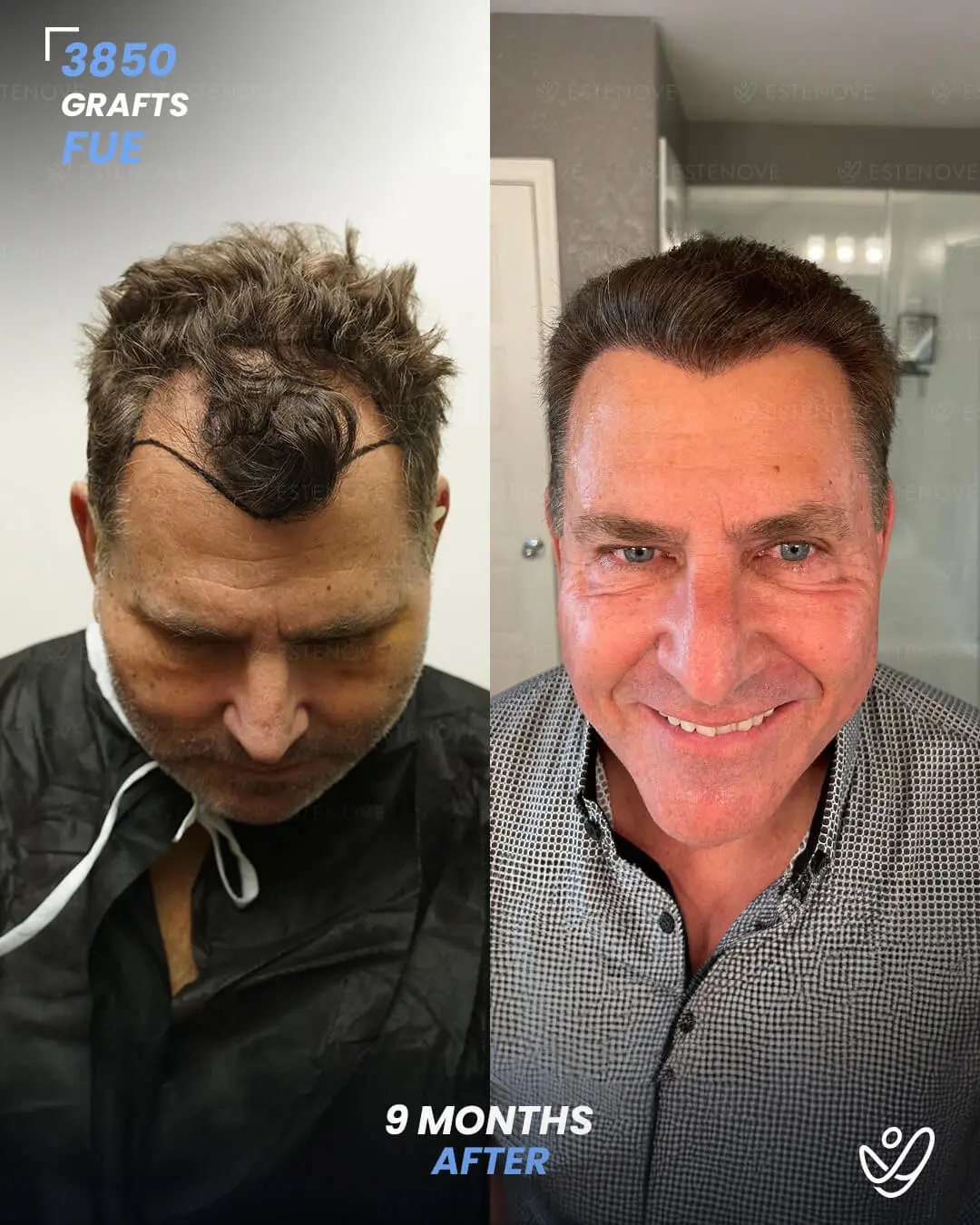
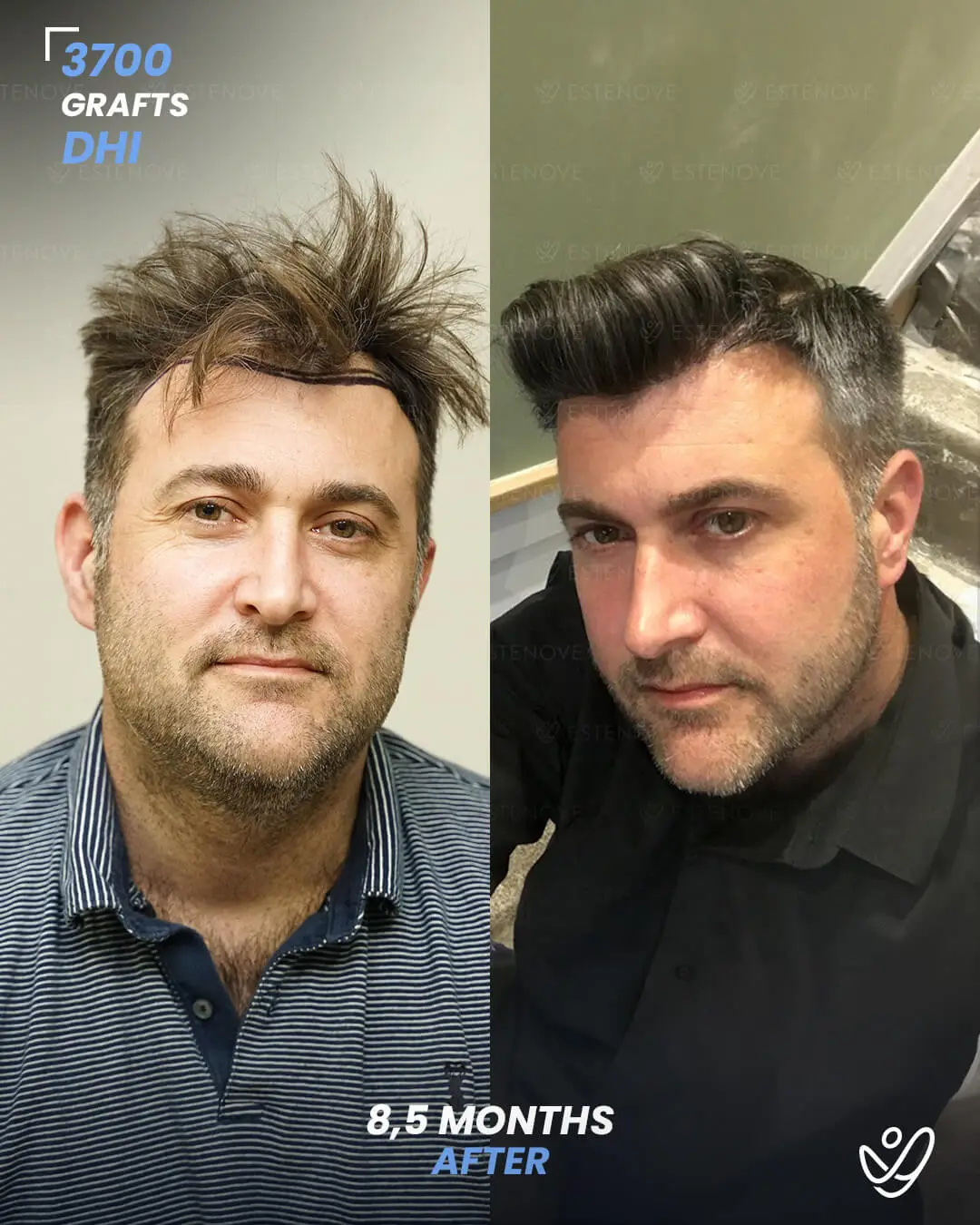
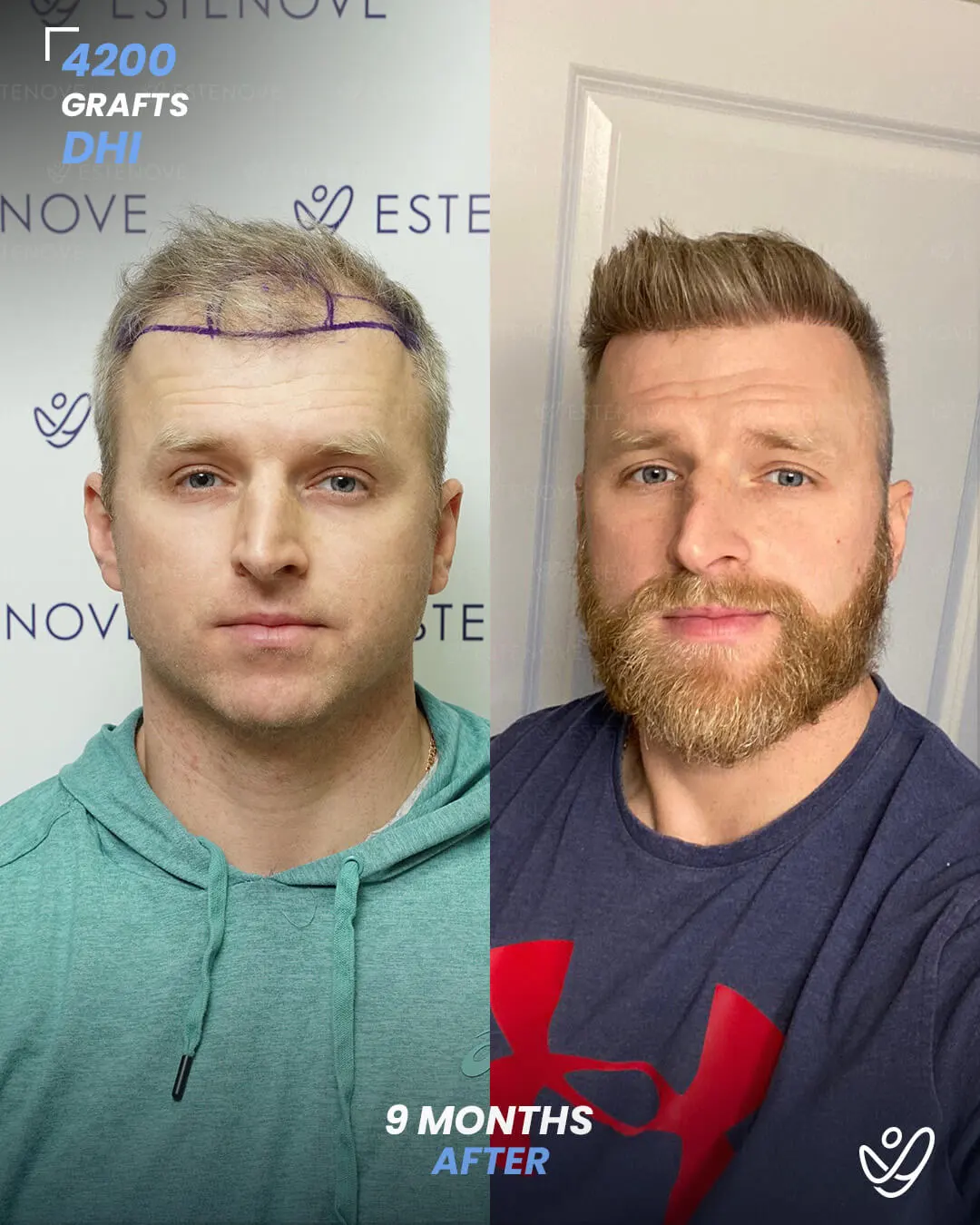
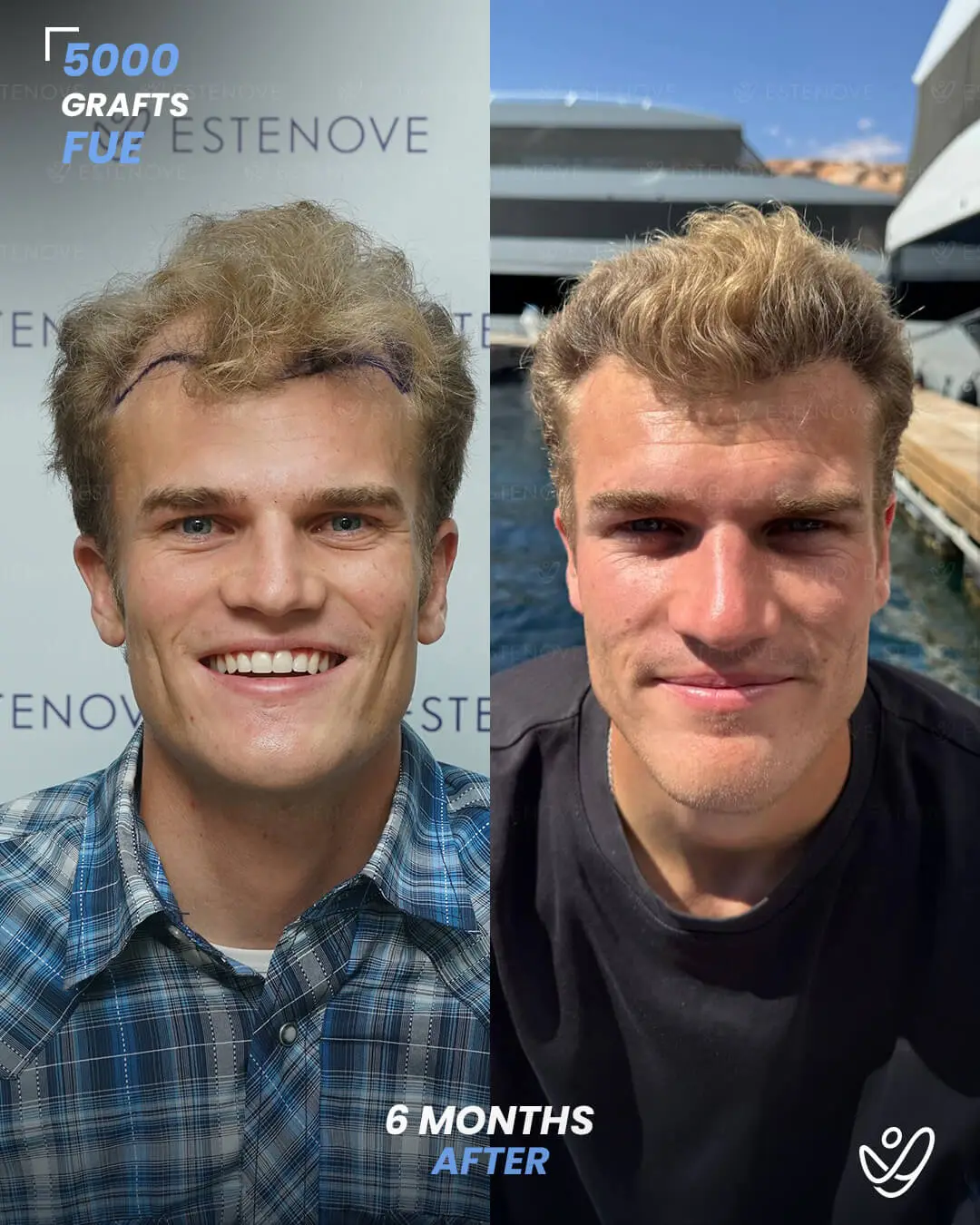
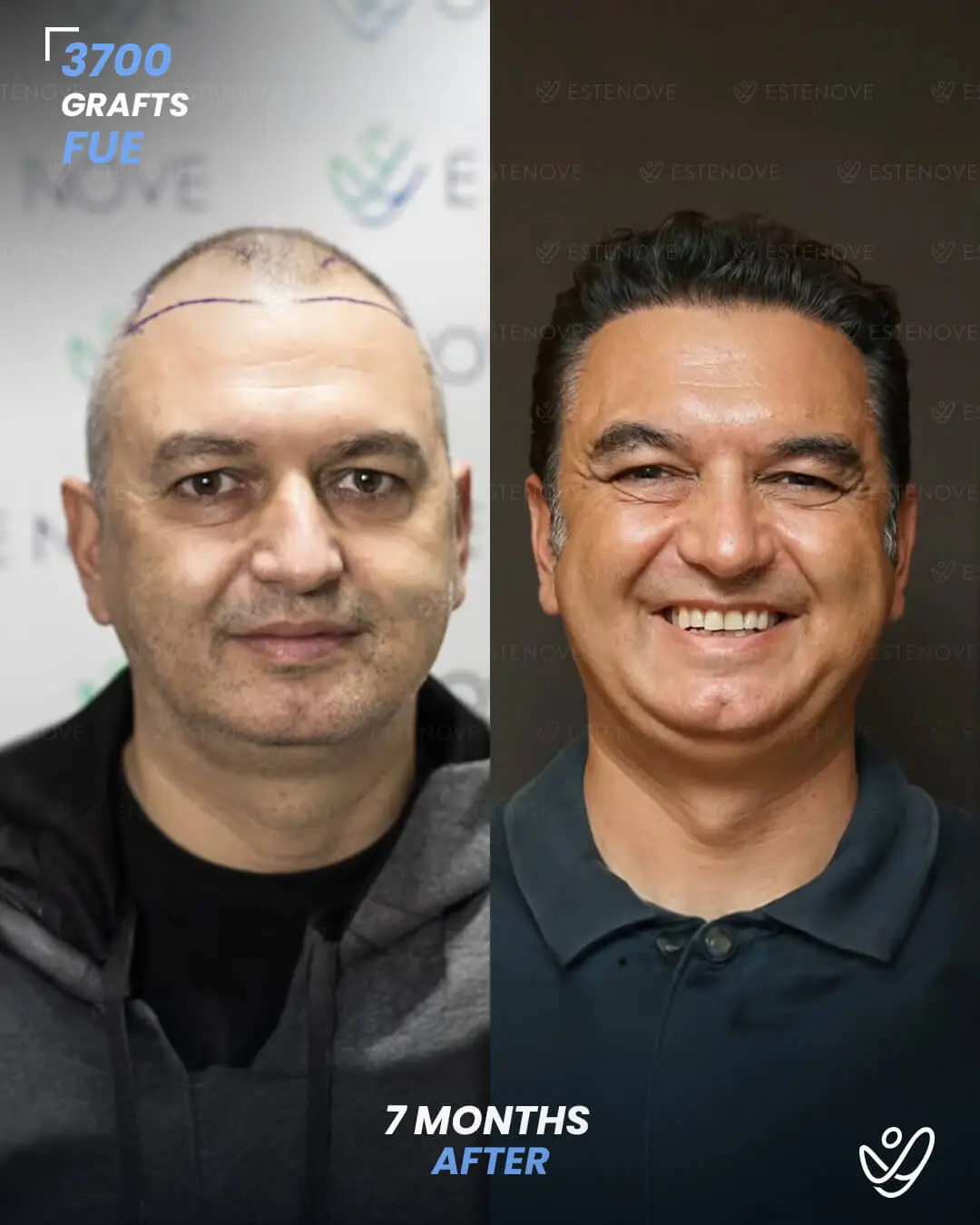
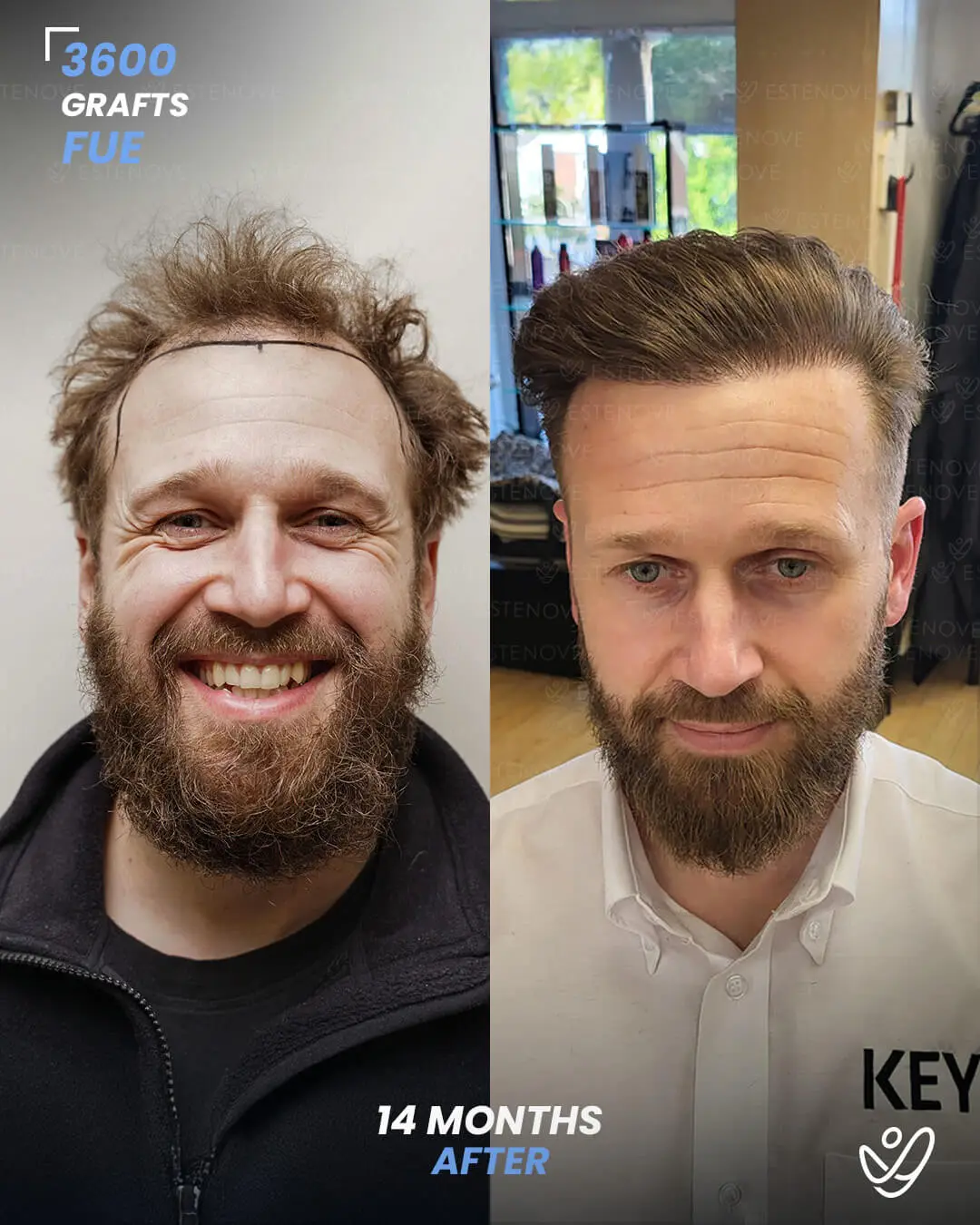
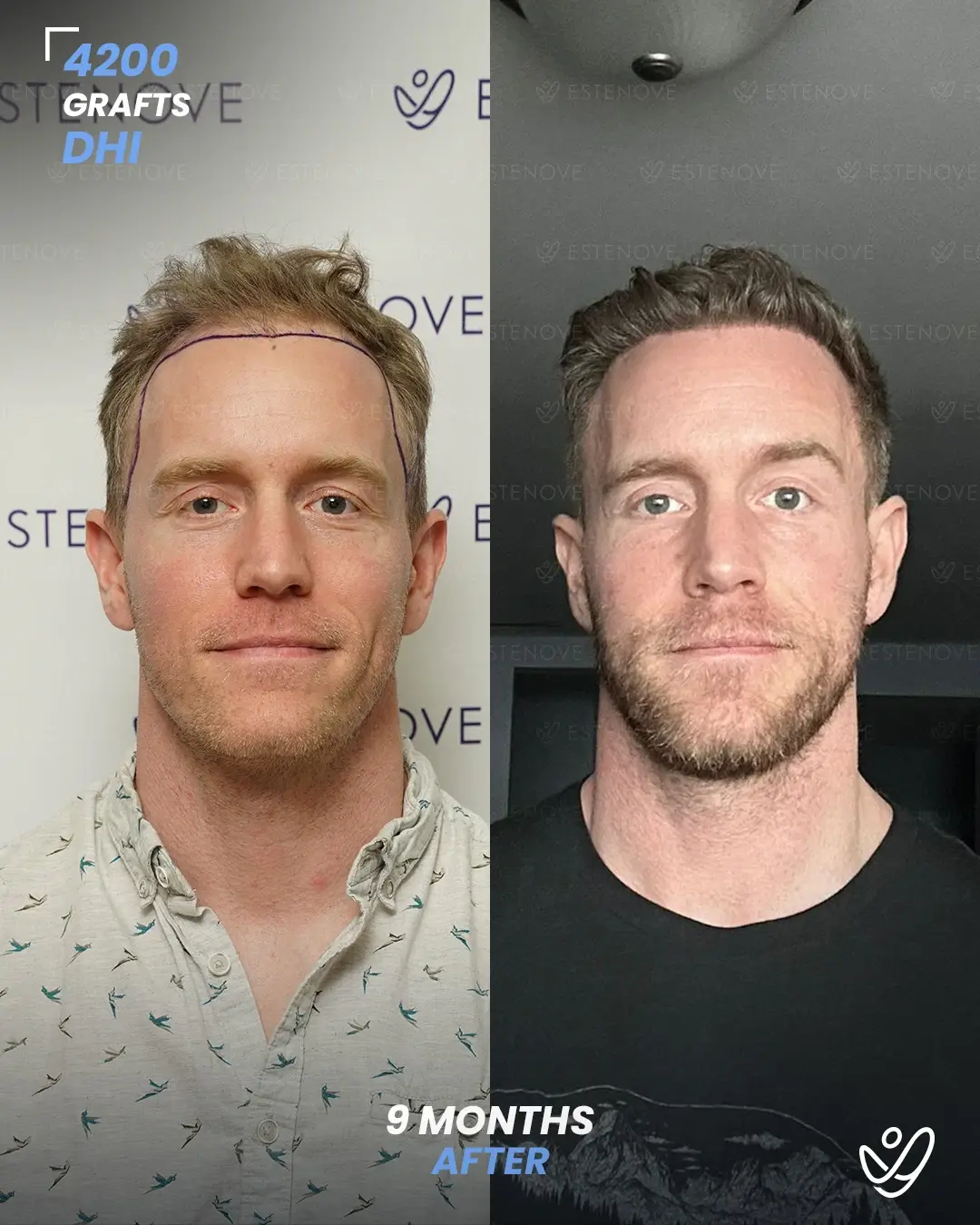
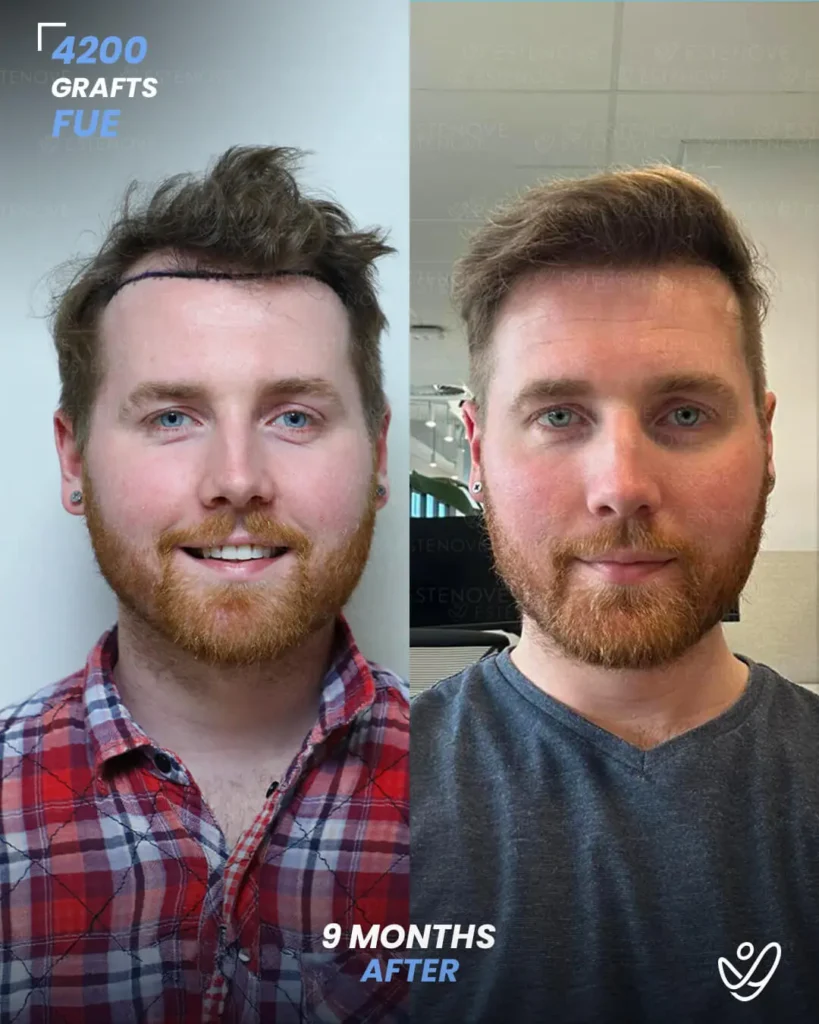
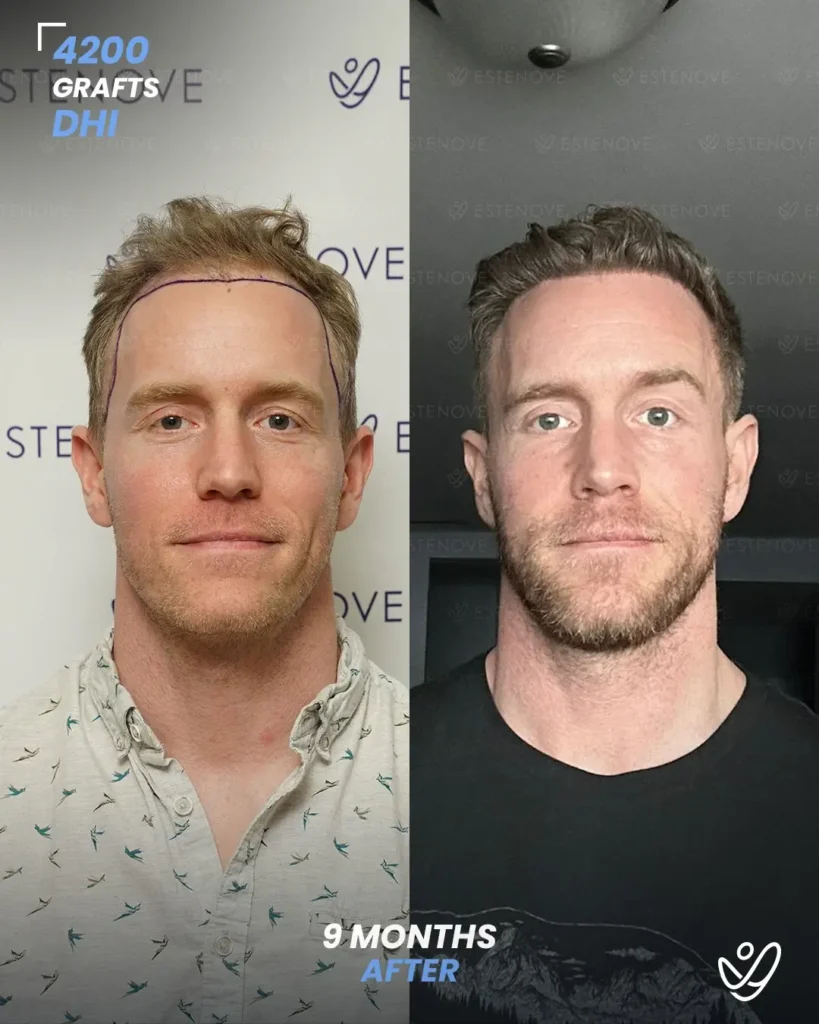
The Use Case: At Estenove, it is combined with hair transplant surgery to help the newly planted grafts survive better and heal faster.
-
The Candidates: Best for people with early-to-moderate hair loss who still have active follicles. It is less effective on completely bald areas.
-
The Timeline: It is not an overnight fix; visible improvements in thickness and texture usually appear after several months.
Hair loss is a complex challenge that affects millions, influencing not just physical appearance but also emotional well-being. As medical science advances, new options are emerging to help manage conditions like androgenetic alopecia. Among these, stem cell therapy has become a significant topic of discussion for patients seeking alternatives or additions to traditional hair restoration methods.
At our clinic, we are committed to offering advanced treatments while ensuring our patients have a realistic and clear understanding of their options. This article explores how this therapy works and the potential stem cell therapy benefits for those struggling with hair thinning and loss.
Understanding Stem Cell Therapy for Hair Loss
Stem cell therapy represents a new era in treating androgenetic alopecia, an issue affecting up to 80% of Caucasian men and up to 40% of Caucasian women by age 70 according to research published in various medical journals [1]. This innovative approach focuses on the regeneration of hair follicles using the body’s innate healing mechanisms.
Unlike surgical hair transplants, stem cell therapy aims to support the existing hair follicles. The goal is to utilize the body’s own biological components to improve the scalp environment. By processing and reintroducing these cells into thinning areas, the treatment seeks to stimulate follicles that may have become dormant or miniaturized over time.
What Are Stem Cells and How Do They Work?
Hair follicles rely on a complex cycle of growth (anagen), regression (catagen), and rest (telogen). In conditions like androgenetic alopecia, the growth phase shortens, and follicles shrink.
Stem cell treatments are designed to target this cycle. The theory behind the treatment is that by introducing regenerative cells and growth factors, it may enable to:
- Signal the follicles to re-enter the growth phase.
- Provide nutrients and growth factors that support cellular health.
- Improve scalp circulation, creating a better environment for hair retention.
The Science Behind Hair Follicle Regeneration
Hair follicle regeneration is a complex process involving multiple cellular layers and signaling pathways. Stem cell therapies employ a targeted method to reactivate lost growth potential within follicles that have declined over time.
By introducing carefully prepared stem cells into the scalp, scientists aim to kick-start the regeneration cycle, restoring folliculogenesis-the formation of new hair follicles. Early therapeutic successes reported in studies underscore how effective this treatment can be, not just in initiating growth but in maintaining a healthy hair cycle thereafter. [2]
Clinical Benefits and Treatment Outcomes
Clinical research has documented substantial improvements following stem cell therapy for hair loss. In controlled studies, patients reported not only regrowth of hair but an overall improvement in scalp health. These changes are significant when compared to traditional pharmaceutical or surgical interventions.
Key Stem Cell Therapy Benefits
For patients exploring their options, understanding the specific advantages of this procedure is crucial. While results can vary based on individual biology and the extent of hair loss, here are the primary stem cell therapy benefits often cited in clinical settings:
- Minimally Invasive Profile: This therapy does not involve large incisions or sutures. It is typically an outpatient procedure with a shorter recovery time, allowing most patients to return to daily activities quickly.
- Natural-Looking Results: Because the goal is to revitalize your own natural hair, the successful results aim to look organic, improving density and texture without the appearance of “plugs.”
- Therapeutic Versatility: It can be used as a standalone option for early-stage hair loss or combined with hair transplant surgery to potentially improve the survival rate of transplanted grafts (Estenove’s approach: they are harvested, processed, and reintroduced alongside transplant grafts to boost survival and scalp health.).
- Reduction of Inflammation: Some research suggests that the anti-inflammatory properties of regenerative treatments may help improve the overall health of the scalp, addressing underlying issues that contribute to shedding.
Documented Success Rates and Case Studies
Clinical trials and case studies are critical to assessing the long-term viability of stem cell therapies. [3]
Adhering to high medical standards means being transparent about outcomes. While many patients report positive changes, stem cell therapy is not a “miracle cure” and may not be suitable for everyone.
Ideal candidates typically include:
- Men and women in the early to moderate stages of hair loss.
- Patients who still have active hair follicles (it is generally less effective on completely bald areas where follicles are no longer present).
- Individuals with surgical options (improve the survival rate of transplanted grafts).
It is important to note that hair restoration is a gradual process. Improvements in hair thickness and scalp coverage usually take several months to become visible as the hair cycle progresses.
Comparing Stem Cell Therapy to Traditional Hair Loss Treatments
Traditional hair loss treatments often include medications, surgical interventions, or minimally invasive procedures such as PRP therapy. While these have their benefits, they sometimes fall short in terms of longevity of results and addressing the underlying causes of hair loss.
Stem cell therapy strives for a more fundamental regenerative approach. Rather than simply masking the problem, it seeks to repair damaged hair follicles and stimulate new growth. This biological approach tends to be more sustainable, potentially reducing the need for repeated treatments over time. The scientific community is now evaluating long-term benefits, which may eventually position stem cell therapies as the preferred treatment option for androgenetic alopecia. [2]
Practical Considerations for Potential Patients
For those considering stem cell therapy for hair regrowth, understanding the practical aspects is as critical as considering its efficacy.
Treatment Process and Recovery Timeline
The treatment process typically involves collecting stem cells from the patient or a donor, processing these cells in a controlled laboratory environment, and then reintroducing them into the scalp. This approach is designed to enhance the body’s natural healing mechanisms.
Recovery timelines vary, but early improvements are often visible within months of the first session. This gradual process ensures that the body’s natural hair cycle is respected while the therapy works to rebuild follicular health.


Your Journey: What to Expect from Stem Cell Therapy
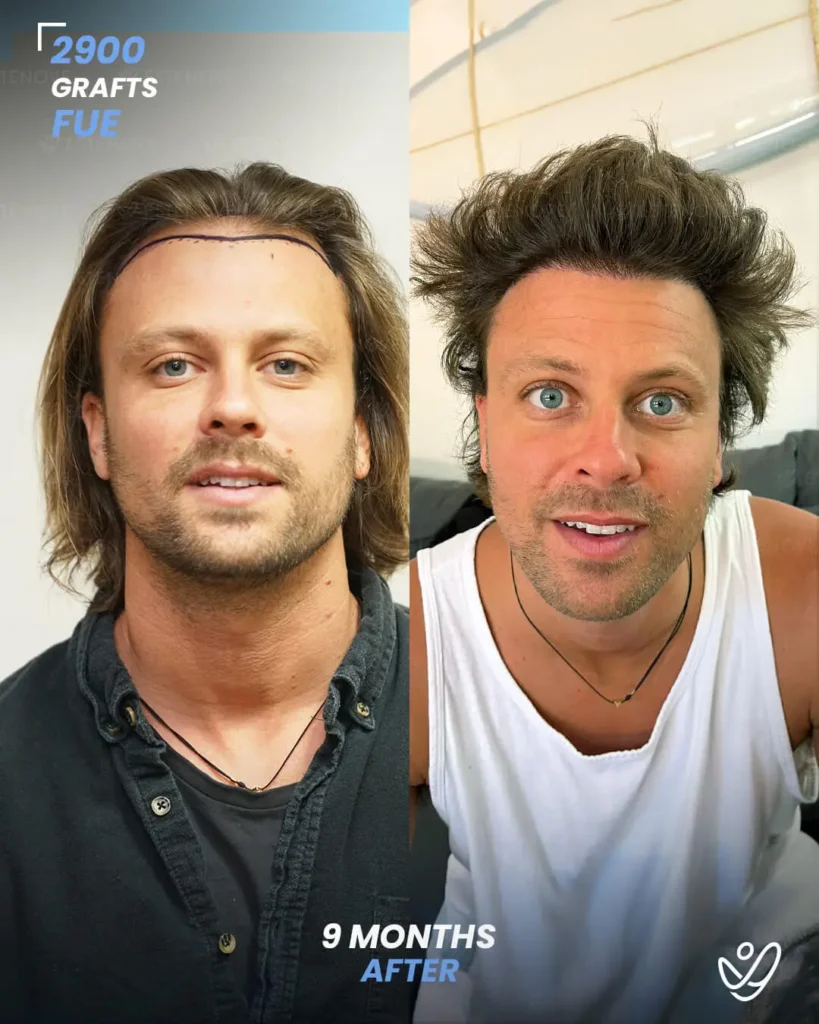
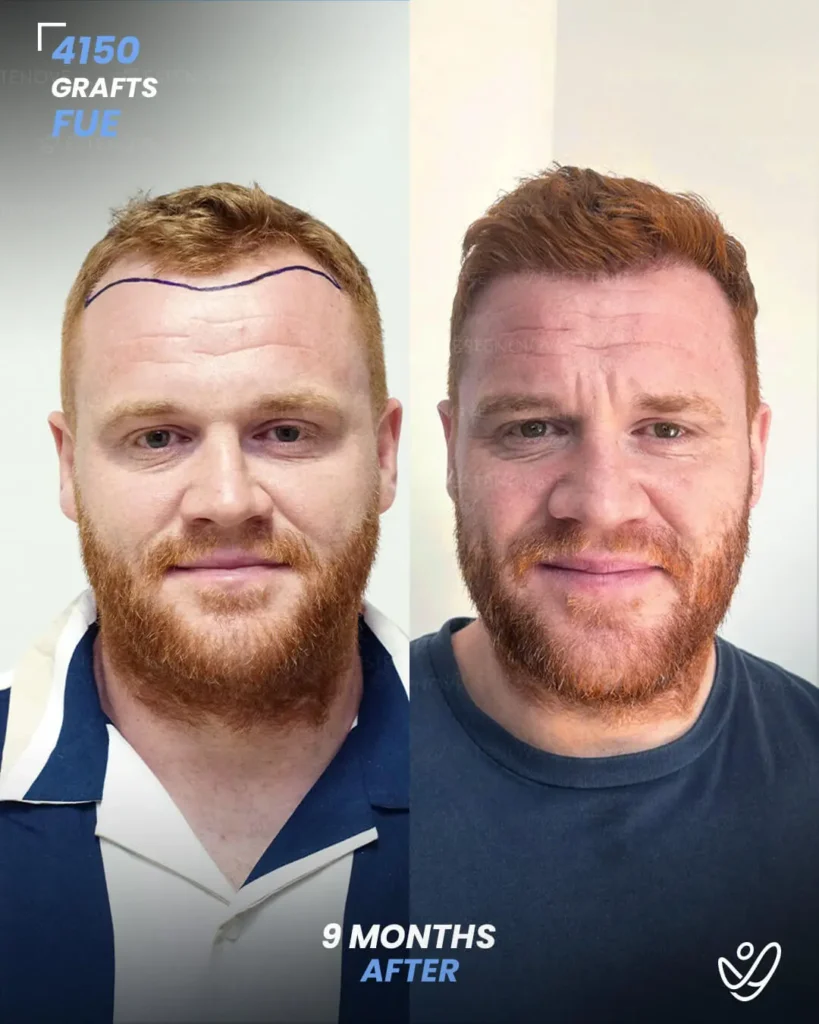
For those considering this therapy, understanding the process is key to confidence. At our clinic, we ensure a transparent and comfortable experience, combined with hair transplantation surgery.
-
Consultation: We assess your hair loss grade and scalp health.
-
The Procedure: The treatment involves harvesting stem cells (usually from a small, comfortable tissue sample or fat transfer), processing them in our sterile lab to concentrate the healing cells, and gently reintroducing them into the scalp.
-
Recovery: There is minimal downtime. Most patients return to daily activities immediately.
-
Timeline: While individual results vary, visible improvements in hair texture and thickness are often seen within a few months as the follicles cycle into growth mode.
How much does stem cell therapy cost?
Click to view Estenove’s premium packages & pricing. Because this therapy involves advanced biotechnology and sterile laboratory preparation, the investment is generally higher than other remedies. However, many patients find it to be a cost-effective solution for long-term confidence when compared to the lifetime expense of daily medications or repeated future surgeries.
Investing in your confidence starts with a tailored plan; please schedule a free consultation so we can assess your goals and provide a transparent, all-inclusive cost breakdown.
Sources
- Egger, A., Tomic-Canic, M. ve Tosti, A. (2020). Advances in stem cell-based therapy for hair loss. CellR4 Repair Replace Regen Reprogram. https://pubmed.ncbi.nlm.nih.gov/32968692/
- Mao, Y., Liu, P., Wei, J., Xie, Y., Zheng, Q., Li, R. ve Yao, J. (2023). Cell therapy for androgenetic alopecia: Elixir or trick? Stem Cell Reviews and Reports, 19, 1785–1799. https://d-nb.info/1308082959/34
- Stem Cell Institute. (t.y.). New research on PRP for hair restoration. https://stemcellinstitute.com/new-research-prp-for-hair-restoration/
Medical Disclaimer: This guide to regenerative medicine outlines the mechanism and potential benefits of stem cell therapy. Patient eligibility depends on the remaining follicular activity and must be assessed by a specialist to ensure realistic outcomes. Medically reviewed by the Estenove Clinical Board.