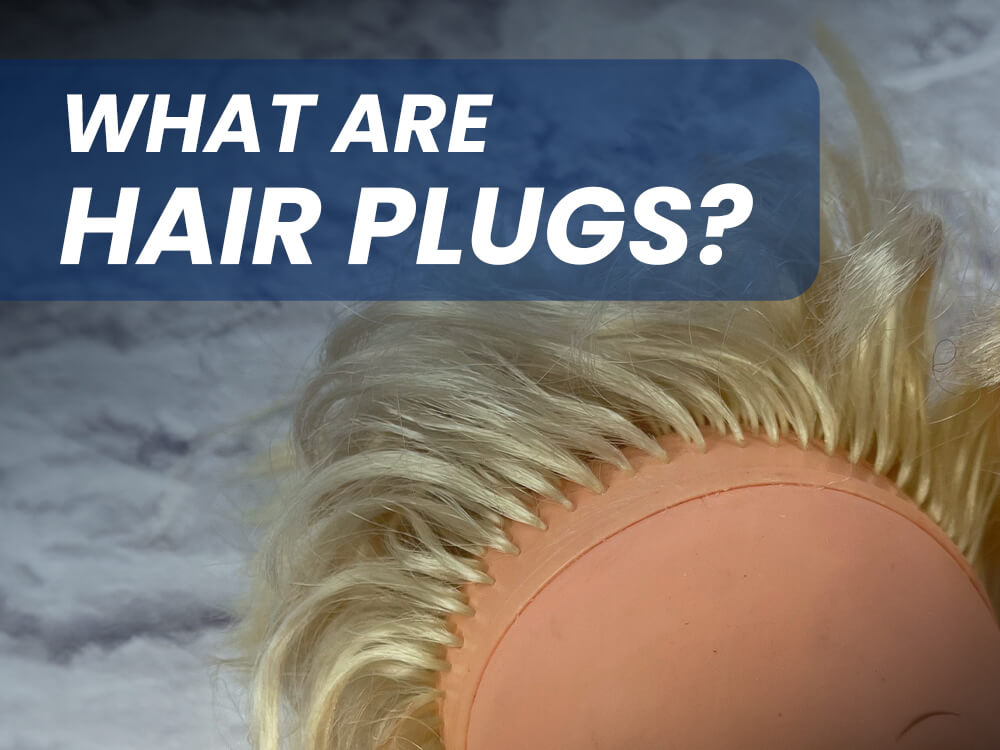
Hair plugs are an outdated hair restoration technique that is no longer performed by reputable clinics. Popular from the 1950s through the 1990s, hair plugs involved transplanting large 4mm “plugs” of hair that often resulted in an unnatural, “doll-like” appearance. Today, modern techniques like FUE and DHI have completely replaced hair plugs, offering natural-looking results with minimal scarring.
If you’re researching hair restoration options, you’ve probably come across this term and wondered what it means. In this guide, we’ll explain what hair plugs were, why they fell out of favor, and what modern alternatives deliver far better results.

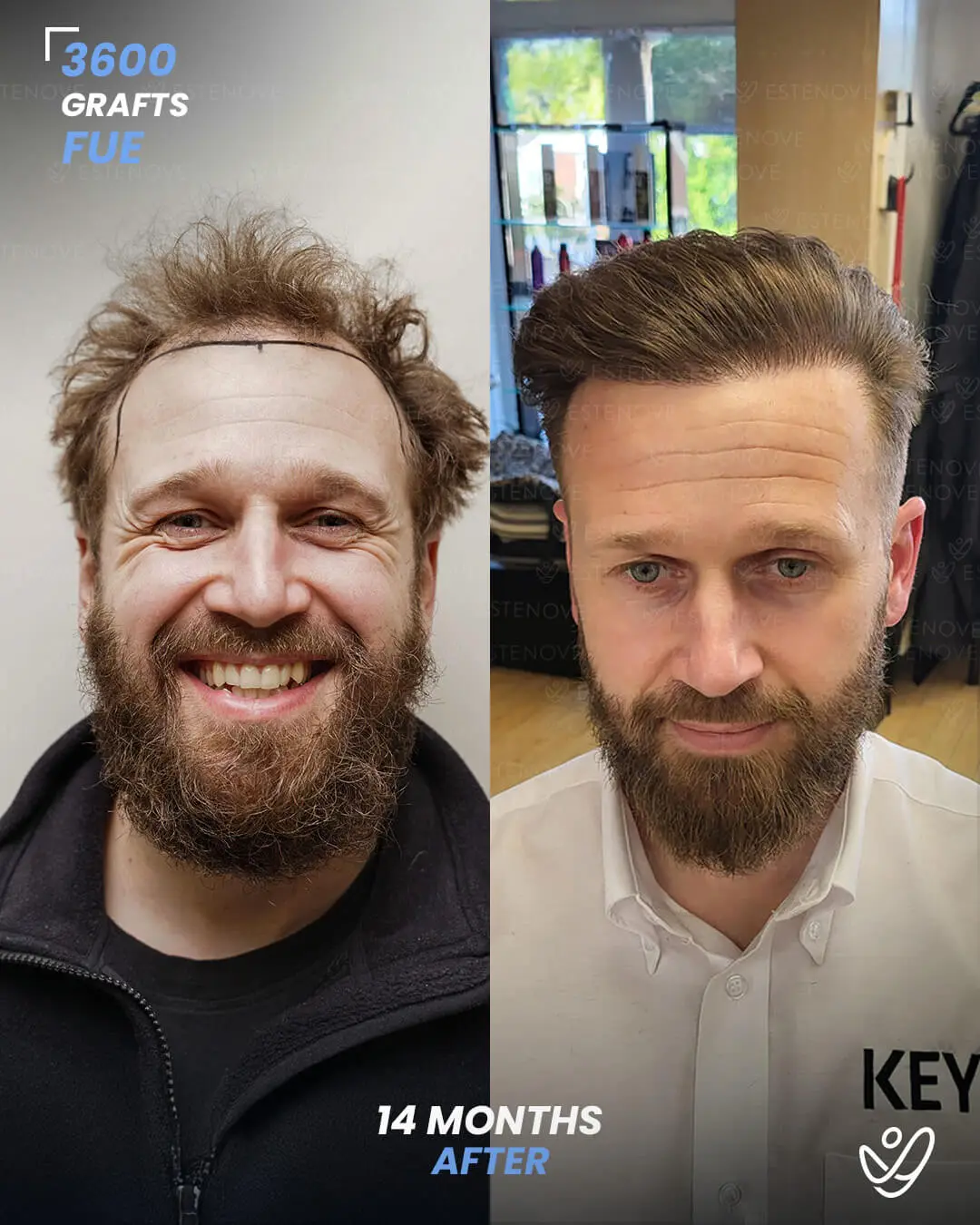
Hair Plug Transplantation (left) vs Modern, High-Density Hair Transplant (right)
Hair Plugs vs. Modern Hair Transplant: The Visual Difference
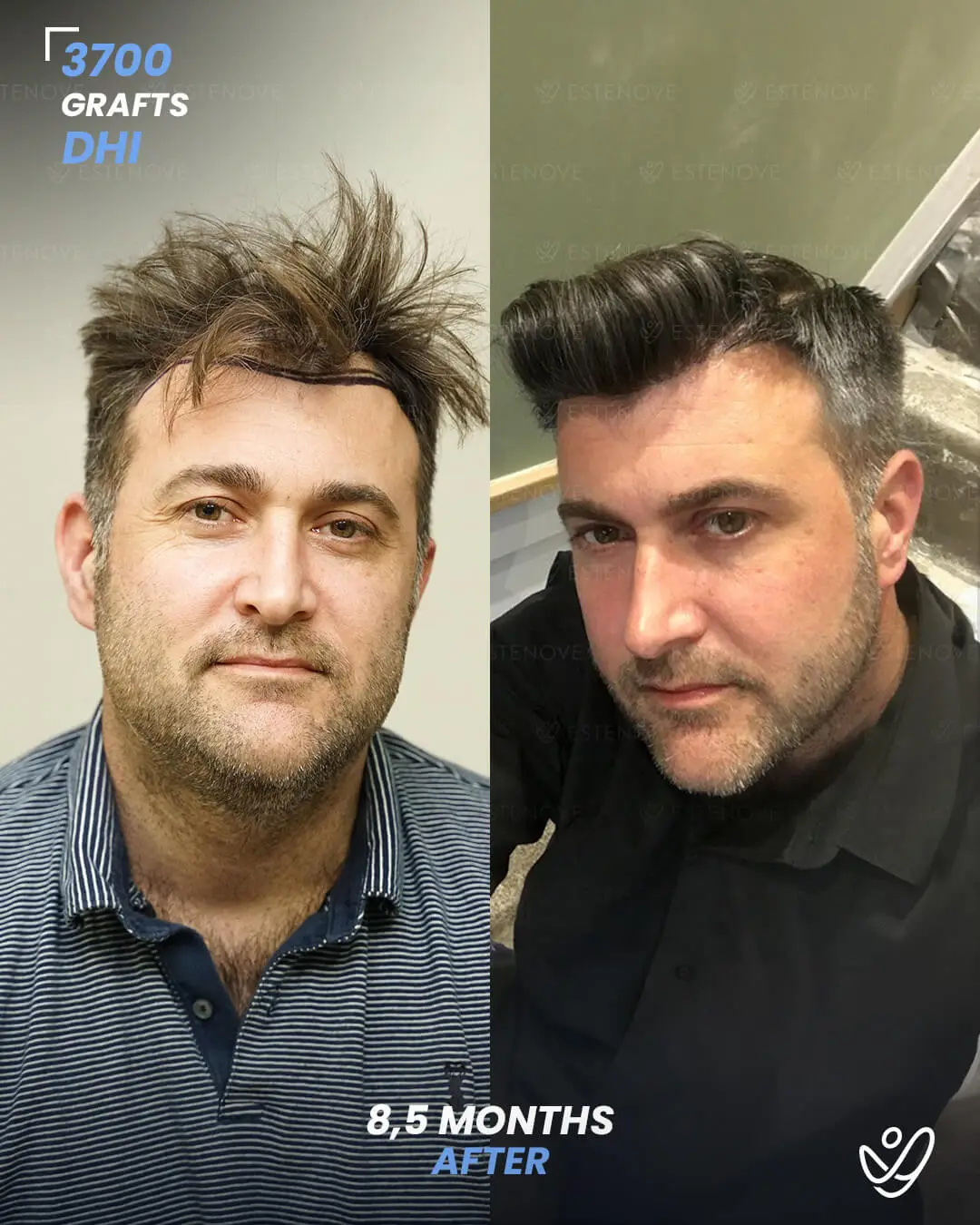
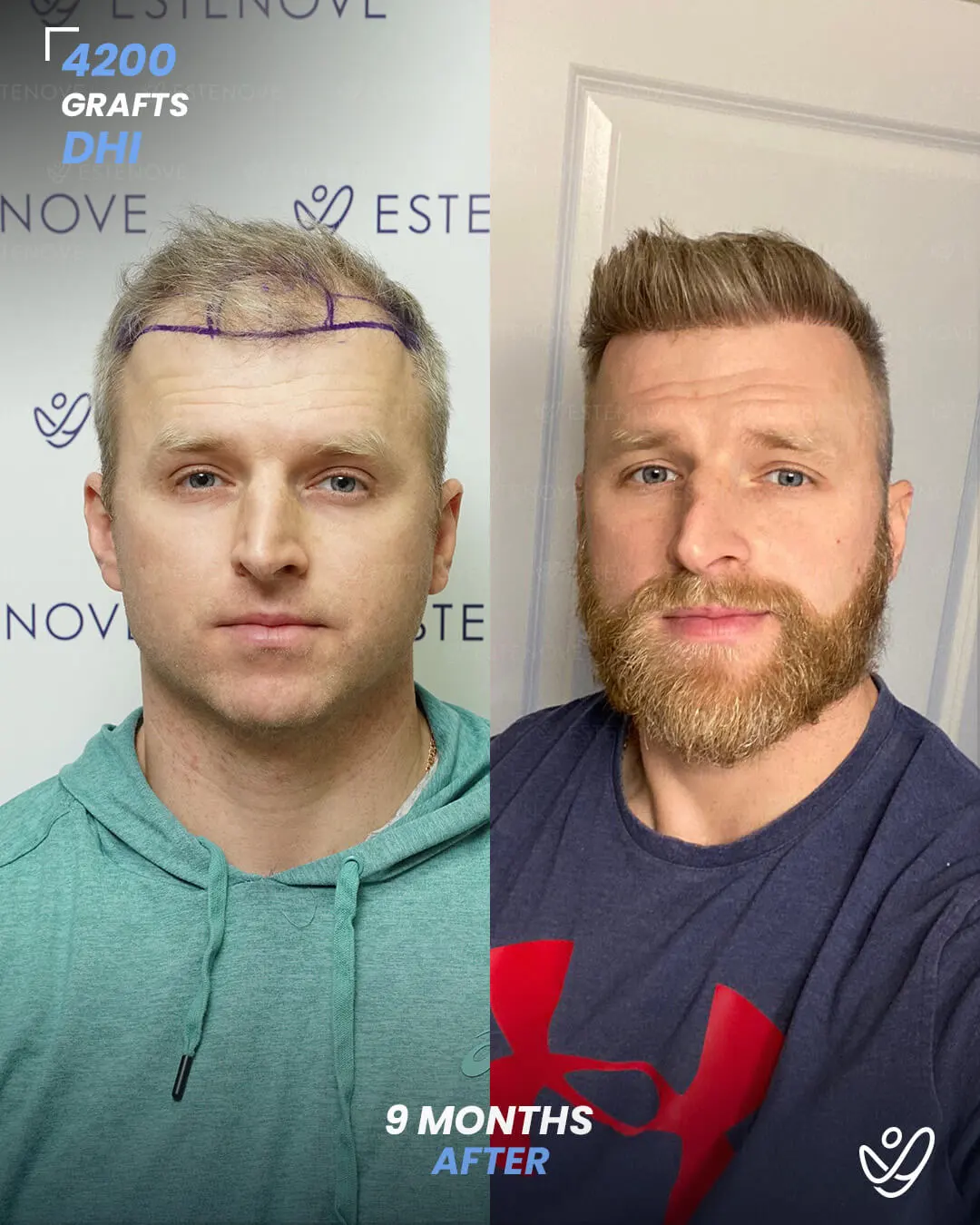
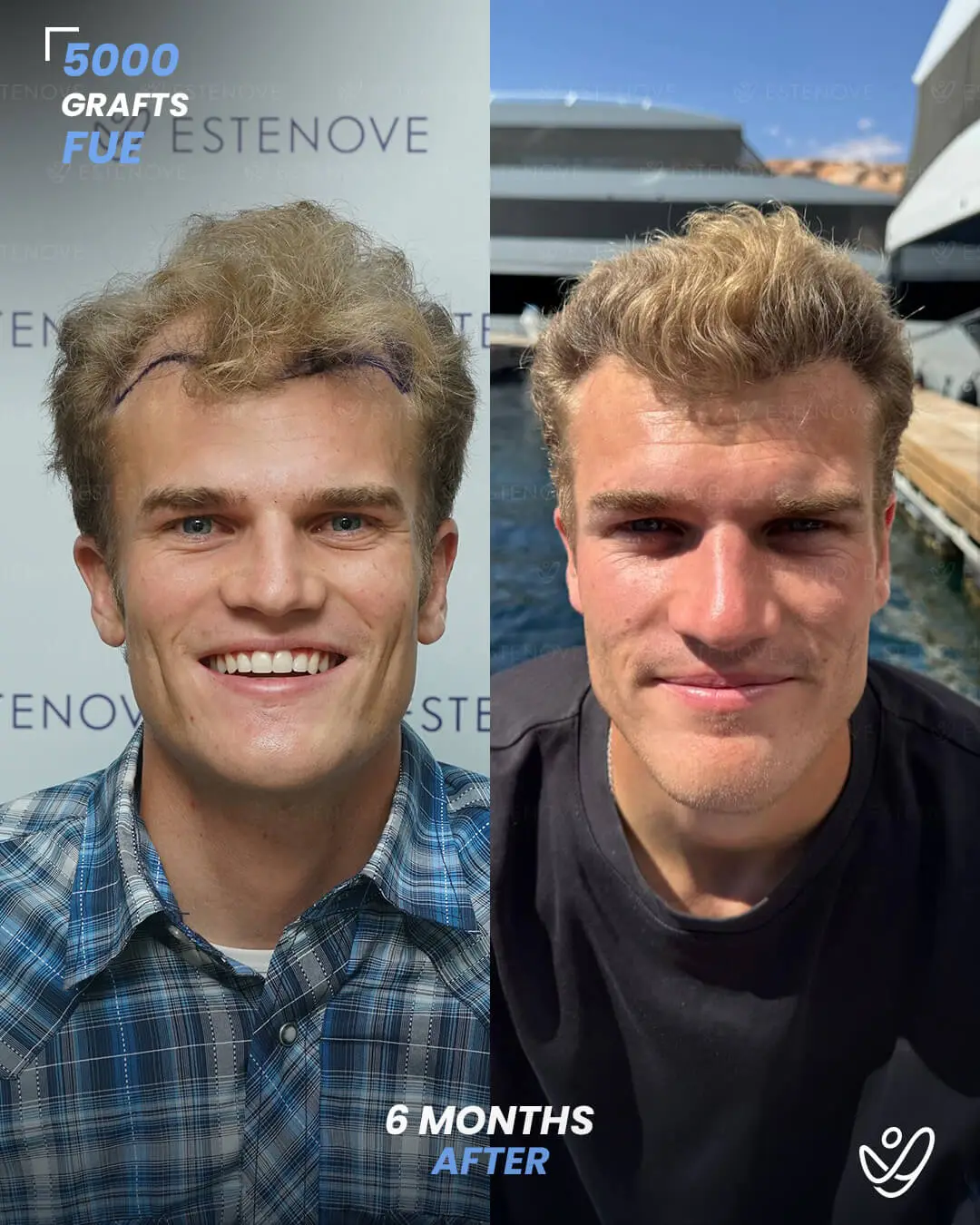
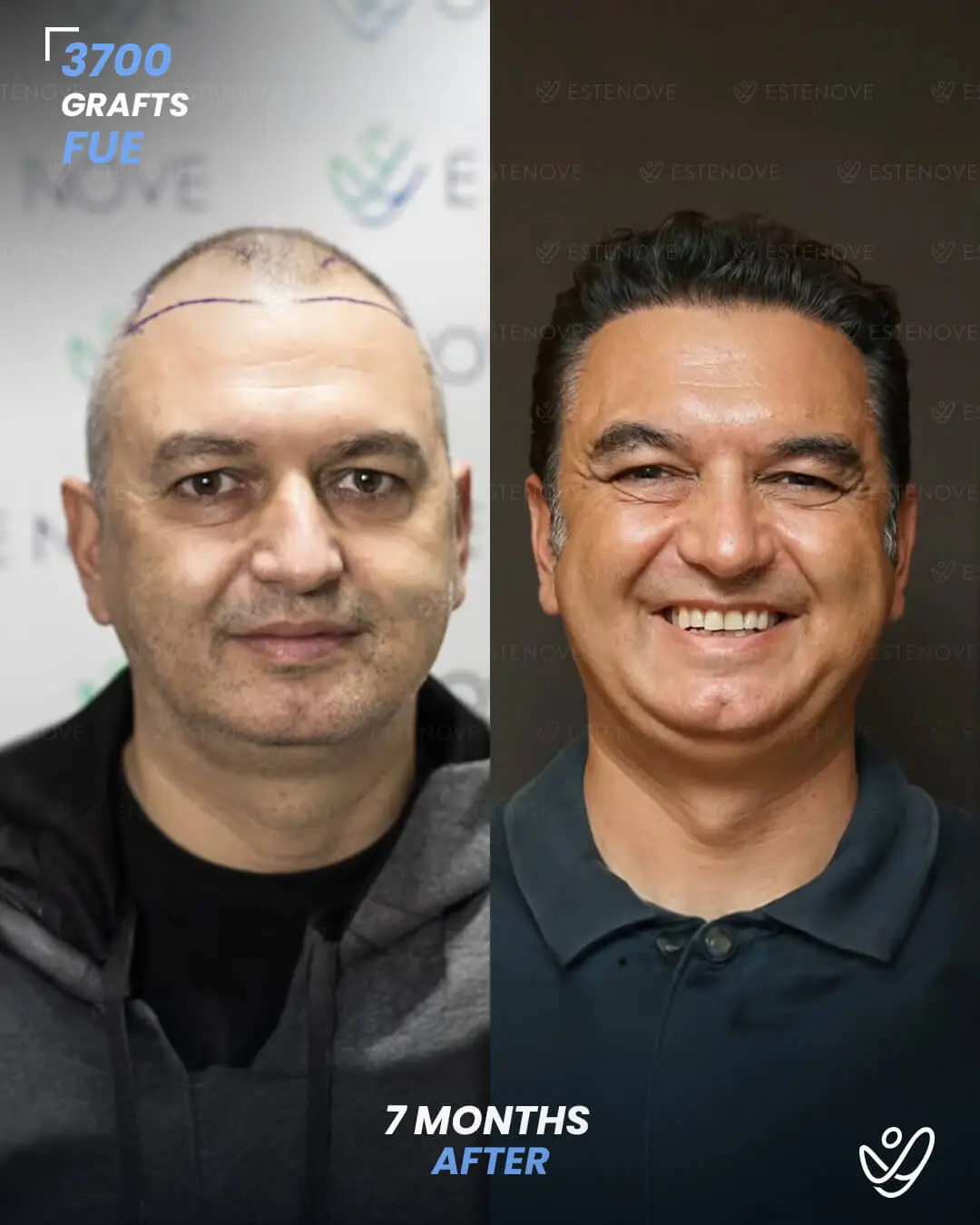
To understand the leap in technology, we need to look at the “Before & After” evolution. In the past, “hair plugs” involved transplanting large circular clusters of skin and hair (about 4mm wide), which resulted in a “doll-hair” appearance.
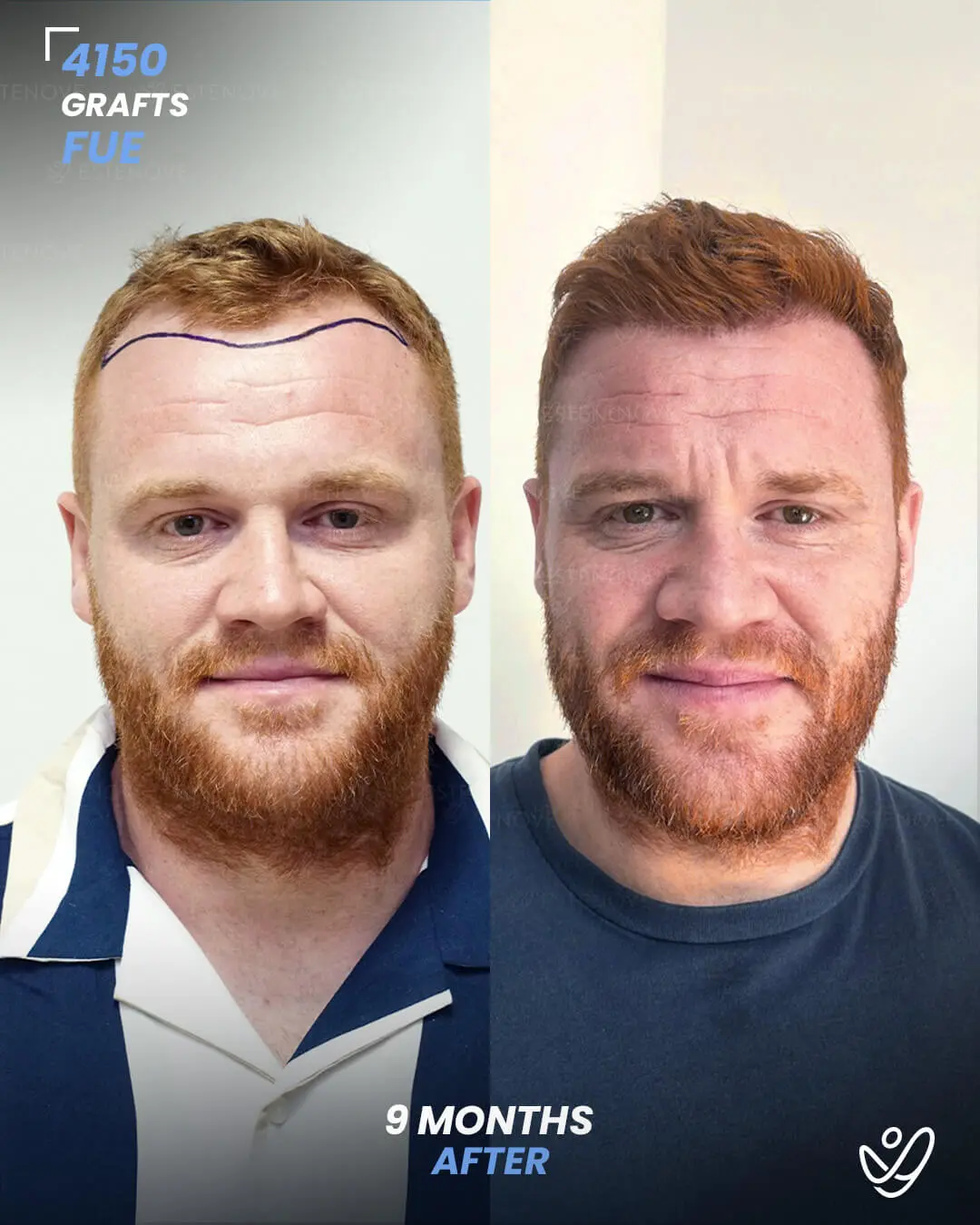
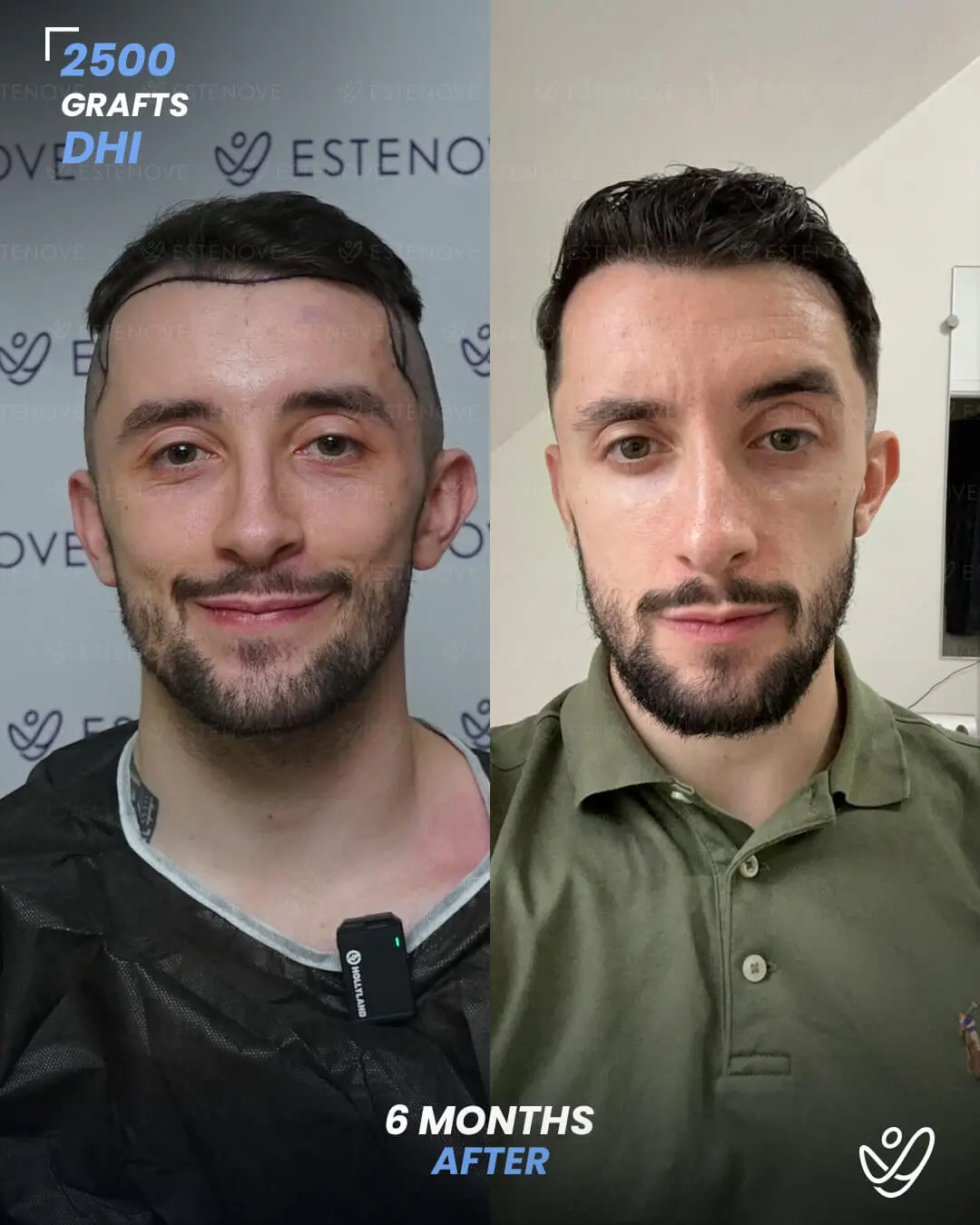
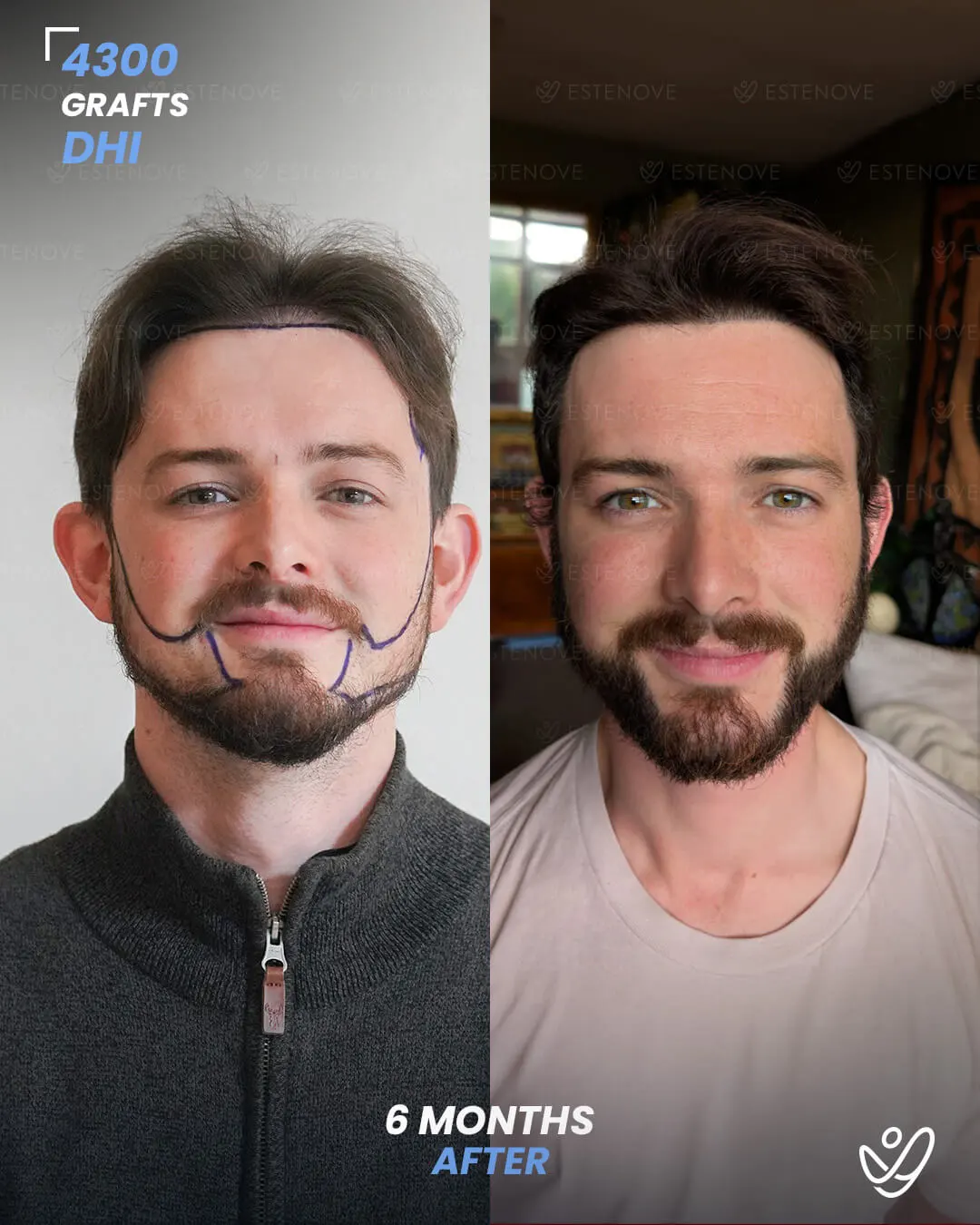
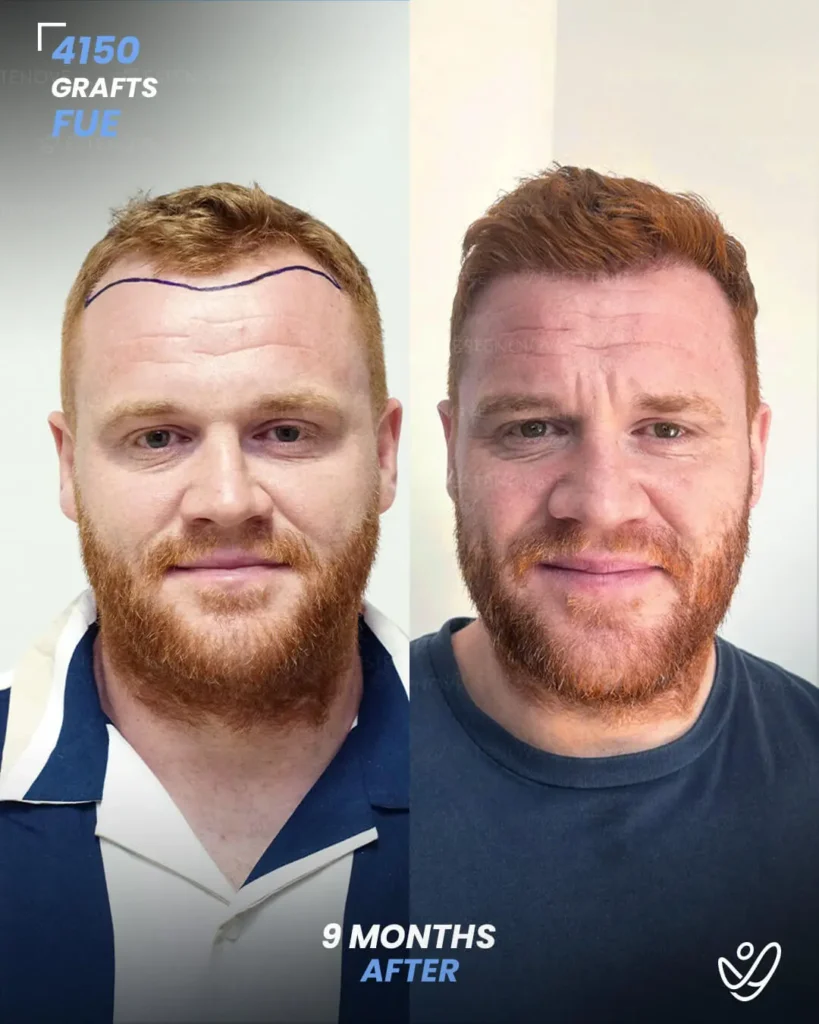
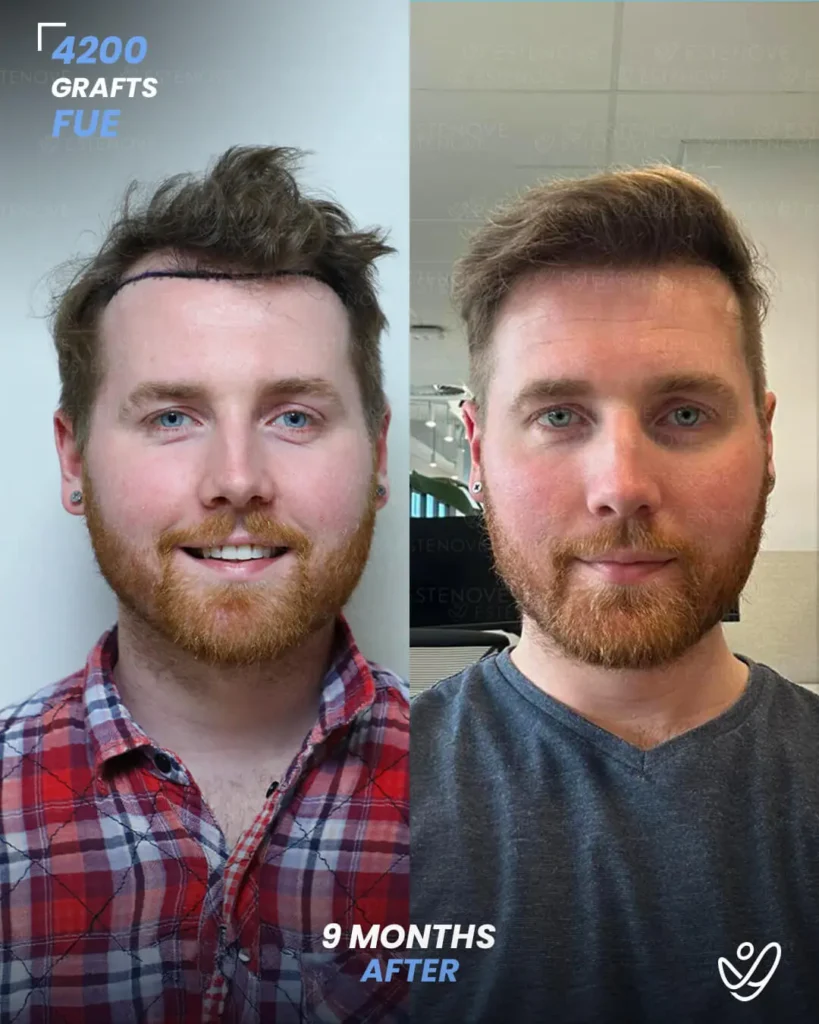
In contrast, modern hair transplant methods like FUE or DHI works at a microscopic level. Instead of large chunks, we transplant individual follicular units. This allows for a much higher density and a refined hairline. When you compare a “plug” result to a modern transplant, the difference is clear: one looks like a row of planted corn, while the other looks like a natural, flowing head of hair.




The Evolution of Hair Plugs
The journey of hair restoration began in the 1950s with Dr. Norman Orentreich, who discovered “donor dominance.” This meant that hair taken from the back of the head would continue to grow even when moved to a bald spot. This discovery birthed the “hair plug” era.
During the 1970s and 80s, these plugs were the industry standard. Surgeons used a “punch” tool to remove round grafts containing 10 to 20 hairs each. These large grafts were then placed into circular holes in the thinning areas.
While it was revolutionary at the time because it actually worked to move hair, the technology was limited. By the late 1990s, the medical community realized that smaller was better, leading to the development of Follicular Unit Transplantation (FUT) and eventually Follicular Unit Extraction (FUE) and (Direct Hair Transplantation) DHI methods we use today at Estenove.
Why Hair Plugs Were Abandoned
Why did the world stop doing hair plugs? The reasons are purely aesthetic and medical:
-
- The “Doll Hair” Look: Because the grafts were so large, the hair grew in isolated clumps. It never looked natural; it looked like the hair on a plastic doll.
-
- Significant Scarring: The “punch” method left large, circular white scars in the donor area. This made it impossible for patients to wear their hair short without revealing the procedure.
-
- Unnatural Direction: It was extremely difficult for surgeons to control the angle and direction of hair growth with large plugs. The result was often hair that grew straight up or in awkward directions.
Modern Alternatives for Hair Plugs: FUE and DHI
If you want to restore your hair today, you have two gold-standard options that offer natural results:
-
- FUE (Follicular Unit Extraction): This is the modern successor to the old punch method. Instead of large plugs, we extract individual follicles using micro-motors. At Estenove, we use Sapphire FUE, which utilizes blades made from precious sapphire to create smaller, cleaner channels for faster healing and higher density.
-
- DHI (Direct Hair Implantation): This is the most advanced technique available. Using a specialized tool called the Choi Implanter Pen, hair follicles are extracted and implanted simultaneously. This allows for extreme precision in angle and depth, making it the perfect choice for thinning areas and hairline design.
At Estenove, we specialize in these “Plug-Free” techniques to ensure your results are permanent, scar-free, and completely natural.
Frequently Asked Questions About Hair Plugs
Are hair plugs still done today?
No. Medical clinics have replaced hair plugs with FUE and DHI techniques, which are more precise and provide natural-looking results.
What is the main difference between hair plugs and a hair transplant?
The size of the graft. Hair plugs used large “chunks” of hair (10-20 follicles), while modern transplants move individual follicles (1-4 hairs) for a more natural look and dense hair.
Do modern hair transplants look like “plugs”?
Not at all. With Sapphire FUE and DHI, the hairline is designed to mimic your natural hair growth pattern, making the transplant invisible to the naked eye.
Can old hair plugs be fixed?
Yes. We often perform “repair” surgeries where we use modern FUE to camouflage old plugs or extract them and redistribute the follicles for a more natural appearance.
Is the recovery from a modern transplant faster than hair plugs?
Much faster. Because modern techniques use micro-incisions rather than large punches, the scalp heals within days, and there are no large circular scars.