
Most people don’t think about their hair until something goes wrong. A handful of extra strands on the pillow, a widening part line, or persistent itching that won’t respond to a new shampoo – these are the moments that send people searching for answers. The professional they often need, but rarely know exists, is a trichologist. So what does a trichologist actually do, and how does this specialist differ from the dermatologist you might already have on speed dial? Understanding the distinction can save you months of misdiagnosis, wasted money on products that don’t work, and unnecessary anxiety. The field of trichology is growing rapidly alongside a global hair care market expected to reach $128.7 billion by 2034, reflecting just how many people are dealing with hair and scalp problems that demand specialized attention. Whether you’re experiencing thinning, breakage, or a scalp condition that won’t quit, knowing where to turn is the first step toward a real solution. This guide breaks down the trichologist’s role, their methods, how they compare to dermatologists, and what a typical consultation looks like from start to finish.
What is a Trichologist and Their Role in Hair Health
A trichologist is a specialist trained in the science of hair and scalp health, known formally as trichology. Unlike a general practitioner or even a dermatologist, a trichologist focuses exclusively on the hair shaft, the hair follicle, and the scalp environment. Their training covers the biology of hair growth cycles (anagen, catagen, telogen), the chemical composition of hair fibers, and the environmental, hormonal, and nutritional factors that influence hair quality.
The role sits at the intersection of science and practical care. Trichologists assess the root cause of hair and scalp problems through detailed analysis rather than simply prescribing medication. They examine how your lifestyle, diet, stress levels, and even your washing habits contribute to the issue. One common finding among trichologists is that many hair issues stem from people not washing their hair often enough or not washing it properly, a surprisingly simple factor that gets overlooked.
Think of a trichologist as a detective for your hair. They don’t just treat symptoms; they trace problems back to their origin. If your hair is thinning, they want to know whether it’s hormonal, nutritional, stress-related, or caused by mechanical damage from styling. This specificity is what makes them valuable: they can distinguish between telogen effluvium triggered by a crash diet and early-stage androgenetic alopecia, two conditions that look similar but require entirely different responses.
Common Concerns Handled by a Hair Loss Specialist
A hair loss specialist working in trichology sees a wide range of conditions. The most frequent include:
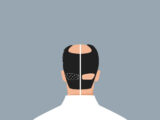
- Androgenetic alopecia (pattern hair loss in both men and women)
- Telogen effluvium (excessive shedding triggered by stress, illness, or nutritional deficiency)
- Alopecia areata (patchy hair loss caused by autoimmune response)
- Traction alopecia (hair loss from tight hairstyles or extensions)
- Seborrheic dermatitis and dandruff
- Scalp psoriasis
- Trichotillomania (compulsive hair pulling)
- Hair breakage from chemical processing or heat damage
A 2024 study found that 83% of women had at least one scalp or hair condition, underscoring just how widespread these problems are. The phrase “hair is the window on your health” is a principle trichologists take seriously: negative changes in hair can often be linked to treatable causes like thyroid dysfunction, iron deficiency, or hormonal shifts. A skilled trichologist identifies these connections and either treats them directly or refers you to the appropriate medical professional.
Trichologist vs Dermatologist: Understanding the Differences
This is one of the most common points of confusion. A dermatologist is a licensed medical doctor who completed medical school, a residency in dermatology, and often additional fellowship training. They can diagnose skin diseases, prescribe medications, perform biopsies, and carry out surgical procedures. Hair and scalp conditions fall within their scope, but they represent only a fraction of what dermatologists treat – skin cancer, acne, eczema, and hundreds of other conditions compete for their attention.
A trichologist, by contrast, is not a medical doctor in most countries. Trichologists complete specialized training programs (often through institutions like the Institute of Trichologists or the International Association of Trichologists) that focus exclusively on hair and scalp science. They cannot prescribe pharmaceutical drugs or perform surgical procedures. What they can do is provide an extremely detailed, focused assessment of your hair and scalp health, often spending 60 to 90 minutes on an initial consultation compared to the 10 to 15 minutes typical of a dermatology appointment.
The difference is scope versus depth. A dermatologist has broader medical authority. A trichologist has deeper specialization in hair specifically. Neither replaces the other – they complement each other.
When to See a Medical Doctor Versus a Hair Scientist
Choose a dermatologist when you suspect a condition requiring medical intervention: a scalp biopsy, prescription-strength medication like finasteride or minoxidil, or evaluation of a suspicious lesion on the scalp. If your hair loss is sudden and accompanied by other systemic symptoms (fatigue, weight changes, joint pain), start with your primary care physician or dermatologist to rule out underlying medical conditions.
Choose a trichologist when your hair concern is persistent but not clearly medical. If you’ve been shedding more than usual, your hair texture has changed, or over-the-counter products aren’t helping, a trichologist can perform the detailed scalp and hair analysis that a time-pressed dermatologist may not. They’re also the right choice when you want a comprehensive plan that addresses nutrition, product selection, and lifestyle factors alongside any treatments.
The best outcomes often come from collaboration between both professionals. A dermatologist might diagnose androgenetic alopecia and prescribe medication, while a trichologist manages the supportive care: recommending scalp treatments, adjusting your washing routine, and monitoring progress with microscopic analysis over time.
What to Expect During a Trichologist Consultation
Your first appointment with a trichologist is thorough. Expect it to last anywhere from 45 minutes to two hours. The consultation typically begins with a detailed health history questionnaire covering your medical background, medications, diet, stress levels, hormonal history (including pregnancy, menopause, or thyroid conditions), and hair care routine. Be honest and specific – the more data you provide, the more accurate the assessment.
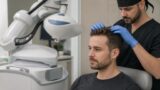
After the intake, the trichologist performs a physical examination of your scalp and hair. They’ll look at your scalp under magnification, assess hair density in different regions, examine the hair shaft for signs of damage or miniaturization, and may perform a pull test (gently tugging a small section of hair to evaluate shedding). Some trichologists also photograph your scalp at standardized angles so they can track changes over time – a method you can continue at home by taking monthly photos of your hairline and part under consistent lighting.
The consultation concludes with a diagnosis and treatment plan. This plan might include product recommendations, dietary changes, referrals for blood work, or suggestions for medical follow-up. Fees vary significantly by location: consultation fees for a trichologist in Washington, D.C., can range from $810 to $2,495, though prices in other cities and countries are often considerably lower.
Diagnostic Tools and Scalp Analysis Techniques
Trichologists use several specialized tools to evaluate your hair and scalp at a level of detail you won’t get from a standard medical exam:
- Trichoscopy (dermoscopy of the scalp): A handheld or digital microscope magnifying the scalp 10x to 70x, allowing the trichologist to assess follicular density, detect miniaturized hairs, identify perifollicular inflammation, and spot early signs of scarring alopecia.
- Pull test: A standardized technique where the trichologist grasps approximately 40 to 60 hairs and applies gentle traction. Extracting more than 10% of the grasped hairs indicates active shedding.
- Hair shaft analysis: Examining individual hair strands under magnification to identify structural damage, cuticle erosion, or conditions like trichorrhexis nodosa (weak points along the shaft).
- Phototrichogram: A method involving clipping and photographing a small area of scalp at two time points (usually 48 to 72 hours apart) to calculate the ratio of growing (anagen) hairs to resting (telogen) hairs.
These tools give trichologists quantifiable data rather than subjective impressions, making it possible to track improvement objectively over weeks and months.
Holistic Approaches and Treatment Solutions
Trichologists rarely rely on a single intervention. Their approach considers the whole picture: internal health, external care, and environmental factors. Treatment plans are customized and typically combine several strategies.
For someone with telogen effluvium triggered by iron deficiency, the plan might include dietary adjustments to increase iron and vitamin C intake, a gentle scalp exfoliation routine to maintain follicular health, and a follow-up blood panel in 8 to 12 weeks. For traction alopecia, the trichologist would recommend immediate changes to hairstyling practices, possibly suggest specific protective styles, and monitor follicular recovery over 3 to 6 months.
Trichologist Jay Small has predicted a shift away from regular hair color services, with consumers embracing their natural hair color to avoid damage – a perspective that reflects the trichological emphasis on reducing chemical and mechanical stress. This kind of preventive thinking is central to how trichologists work: they aim to stop damage before it becomes irreversible.
For those whose hair loss has progressed beyond what conservative treatments can address, a trichologist can help with planning next steps. Clinics like Estenove, which specialize in hair transplant procedures such as FUE and DHI in Turkey, often work alongside trichologists who help patients determine candidacy, set realistic expectations, and prepare the scalp environment before surgery.
Lifestyle, Nutrition, and Topical Recommendations
The building blocks of healthy hair are surprisingly straightforward, yet most people get them wrong. Trichologists commonly recommend:
- Protein intake of at least 0.8 grams per kilogram of body weight daily, since hair is composed almost entirely of keratin, a protein
- Ferritin (stored iron) levels above 40 ng/mL for optimal hair growth, with supplementation guided by blood work
- Biotin supplementation only when a true deficiency exists (most people get adequate biotin from diet)
- Zinc, vitamin D, and omega-3 fatty acids as targeted supplements when blood tests reveal deficiencies
- Washing frequency adjusted to scalp type: oily scalps may need daily cleansing, while dry scalps benefit from every 2 to 3 days
- Avoidance of sulfate-heavy shampoos for chemically treated or fragile hair
- Heat styling tools kept below 185°C (365°F) and always used with a heat protectant
For cosmetic camouflage while waiting for regrowth, trichologists often suggest keratin-based hair fibers to create the appearance of density, strategic parting adjustments, and haircuts at collarbone length or shorter to reduce the visual weight that emphasizes thinning.
FAQ
Yes. A trichologist can assess your donor hair quality, evaluate the stability of your hair loss pattern, and determine whether you’re a good candidate for transplant surgery. They often work in coordination with surgical teams to prepare the scalp and set realistic timelines. Expect initial transplant results to become visible around 4 to 6 months post-procedure, with full density typically achieved by 12 to 18 months.
See a trichologist if you notice increased shedding lasting more than 6 to 8 weeks, visible thinning, scalp irritation that doesn’t respond to over-the-counter treatments, or significant changes in hair texture. Early intervention gives you the best chance of reversing or slowing hair loss.
See a trichologist if you notice increased shedding lasting more than 6 to 8 weeks, visible thinning, scalp irritation that doesn’t respond to over-the-counter treatments, or significant changes in hair texture. Early intervention gives you the best chance of reversing or slowing hair loss.
No. A dermatologist is a medical doctor who treats the full range of skin, hair, and nail conditions and can prescribe medications. A trichologist is a non-medical specialist focused exclusively on hair and scalp health. They provide detailed analysis and non-pharmaceutical treatment plans but cannot prescribe drugs or perform surgery.
Trichologists treat androgenetic alopecia, telogen effluvium, alopecia areata, traction alopecia, seborrheic dermatitis, scalp psoriasis, hair shaft disorders, and damage from chemical or heat styling. They also address nutritional deficiencies and lifestyle factors that affect hair quality.