
A Great Place To Restore Your Hair
DHI Hair Transplant in Turkey
Join thousands who made the journey.
From London to Los Angeles. Chosen worldwide.
Minimally
invasive
No pre-opened channels, no stitches
Greater precision
and density
Natural-looking results
Already trusted by 20,000+ worldwide patients with an average rating of 4.9★
Get your free hair analysis
24/7 ONLINE and FREE
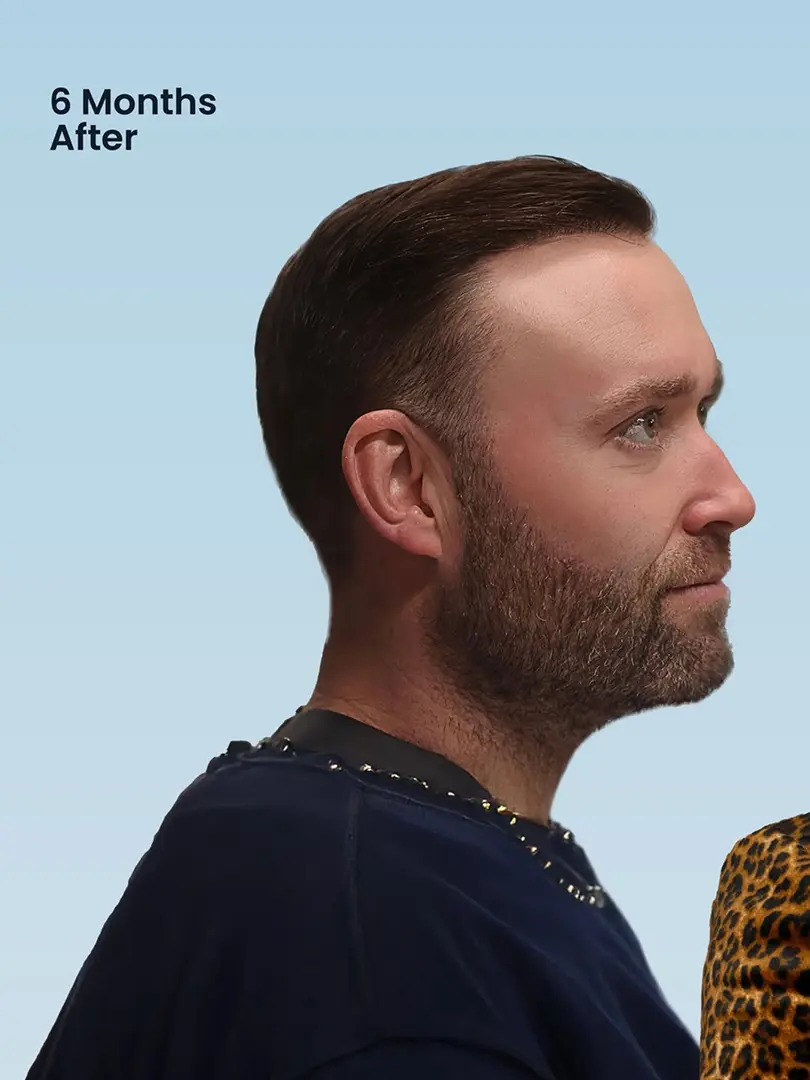
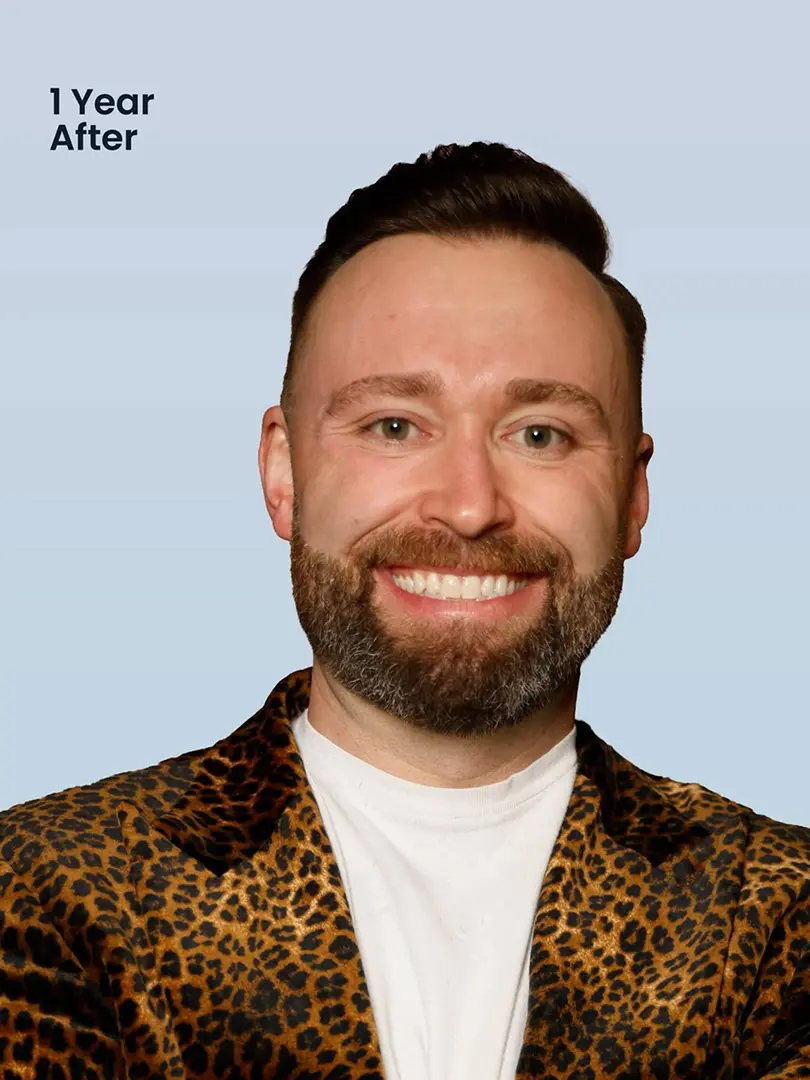
Success
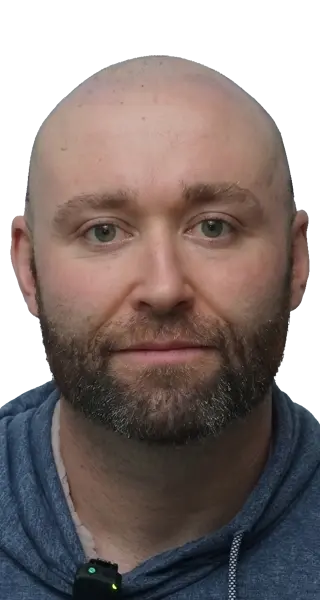
BEFORE

AFTER

David Allen Williams
- 3,600 Grafts
- 1 year post-op
- From Illinois, US
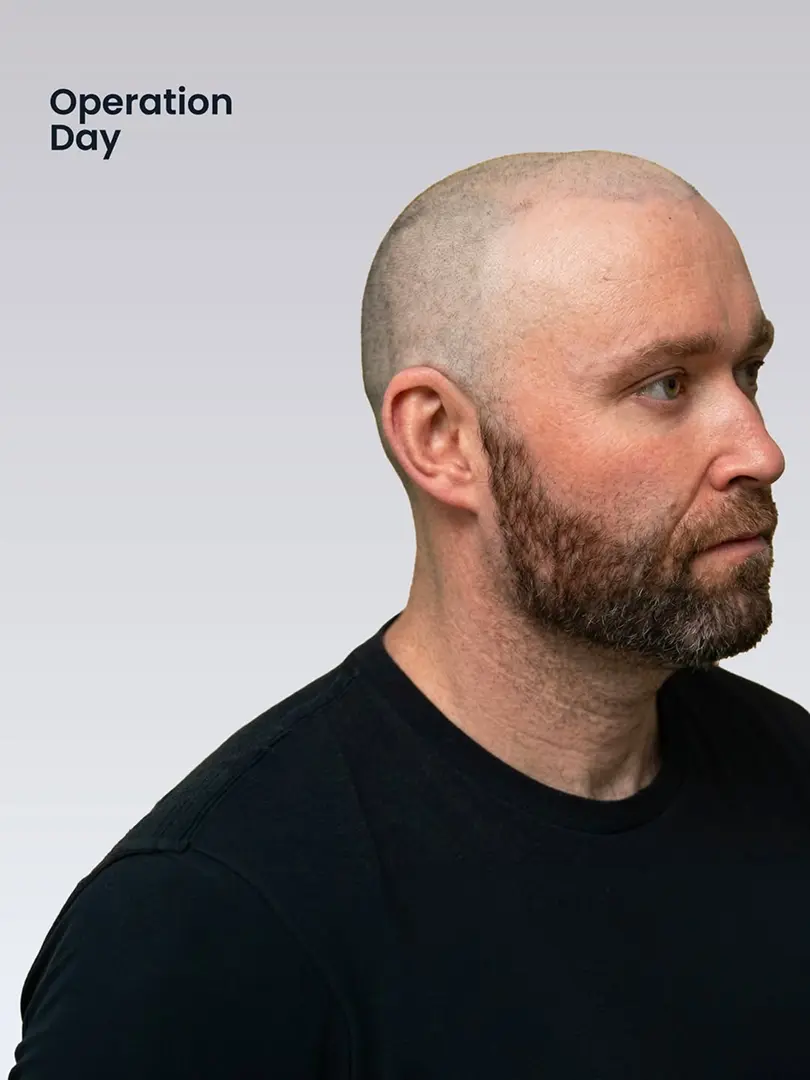
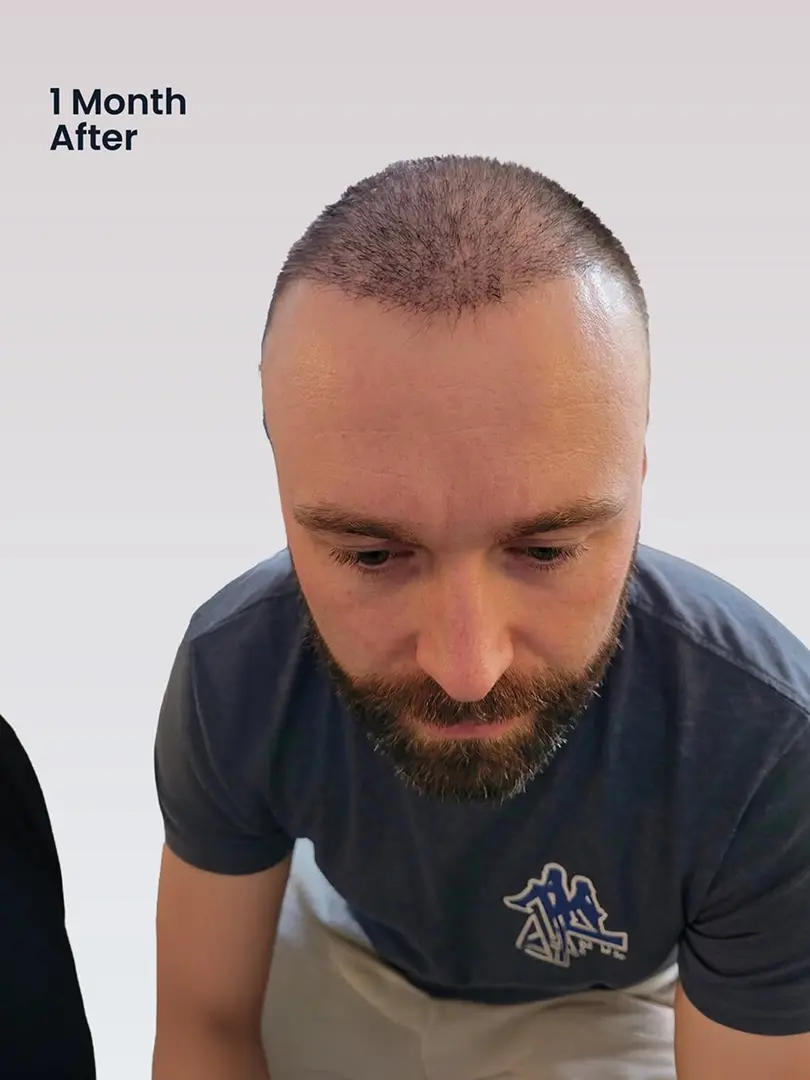
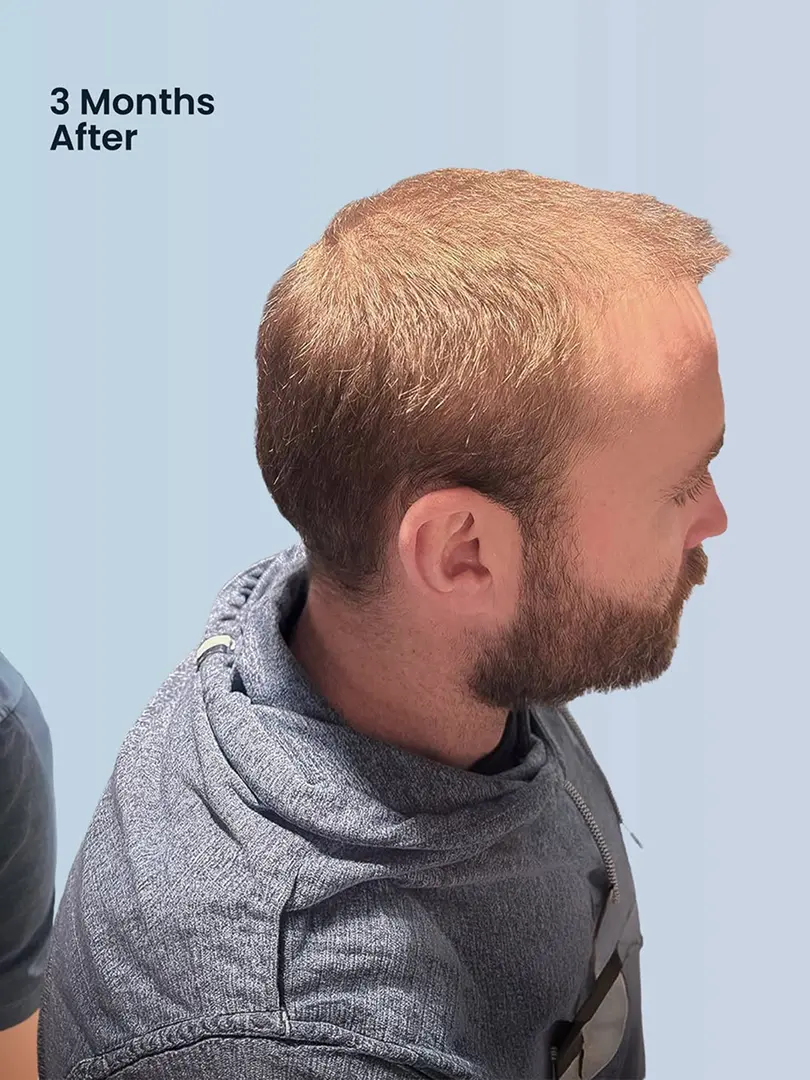
From surgery day to the final look, my journey shows what true hair restoration looks like. By month 12, that natural hairline and density are completely locked in. 🌱
What Is a DHI Hair Transplant?
DHI (Direct Hair Implantation) is a hair transplant technique that uses a Choi implanter pen to place individual hair grafts directly into the recipient area. The device creates an opening and inserts the graft in one step, without requiring channels to be prepared beforehand.
In a DHI hair transplant, follicles are typically extracted individually using FUE. The key difference is the implantation method, which allows graft placement to be planned according to the hairline, existing hair, and desired coverage.
At Estenove in Istanbul, DHI suitability is assessed based on your hair loss pattern, donor capacity, and treatment goals. Learn more about the complete hair transplant procedure.
- DHI in Turkey
Experience precision hair restoration with a DHI hair transplant in Turkey. Using the Choi Implanter Pen, every follicle is placed individually. This gives your surgeon direct control over the angle, depth and direction of each graft, with no channels opened in advance and minimal downtime.
Estenove performs DHI hair transplant in Istanbul for patients travelling from the UK, Europe, the Middle East and North America. If you are still comparing techniques, see our hair transplant procedure guide for a side-by-side overview of the methods.
DHI Hair Transplant Procedure
Minimally invasive
1. Consultation and Preparation

The medical team assesses your hair loss pattern, donor density, scalp condition, and treatment goals. The proposed hairline and graft requirements are planned according to your existing hair and potential future hair loss.
2. Local Anesthesia

Local anesthesia is administered to numb the donor and recipient areas. Patients may experience temporary discomfort during administration, while the scalp remains numbed throughout the procedure.
3. Extraction of Hair Follicles

Individual follicular units are extracted from the donor area using FUE punches. Extraction is planned to preserve donor density and avoid excessive harvesting. The grafts are then assessed and prepared for implantation.
4. Implantation with
CHOI pens

Prepared grafts are loaded into Choi implanter pens and placed directly into the recipient area. Each graft's angle, direction, and depth are planned to complement the surrounding hair and achieve natural-looking coverage.
A natural hair transplant, done properly in Turkey

Kesinlikle herkese önereceğim bir klinik. Baştan sona tüm operasyon ekibi çok ilgili ve profesyonel. İlk görüşmeden operasyon sonrasındaki sürece kadar her zaman çok açıklayıcı ve her konuda yardımcı oldular. Özellikle en stresli kısım olan operasyon sonrasındaki bakım süreci konusunda aklıma takılan her zaman ulaşabileceğim kişiler vardı ve her konuda detaylıca bilgilendirildim. Operasyon süreci de beklediğimden çok daha rahat geçti. Sonuçtan şu ana kadar gerçekten çok memnunum, ekim gerçekten çok doğal hissettiriyor, ilerleyen süreçte sonucu merakla bekliyorum
All the Aftercare team was great! Responded on time, very clear with the directions and always with good attitude.
I’m a 29 year old male from the United States and had been considering a hair transplant for many years. After accelerated hair loss, I finally looked into prevention / regrowth measures. While doing research on the topical and oral solutions, I came to a conclusion that direction was not for me and wanted to pursuit a transplant. I was not familiar with the process at all but was aware members of Barstool Sports went to Turkey for the procedure. I strongly recommend watching these videos as it gives a great breakdown of their trip and procedure. This is how I came across EsteNove. I went onto their site to learn more about the process and scheduled a free consultation. EsteNove reached out immediately to schedule a time to discuss virtually and potential next steps. After that, it was a very quick turnaround to schedule my operation date (1 month) after the meeting. I was surprised how quickly accessible it was. From that point, EsteNove took care of the rest! All I had to do was book my flight to Turkey as they handled the Transit/lodging/operation/follow ups. They were extremely professional and responsive the entire time prior, during and after the operation. I was extremely worried with the entire process and read the negative reviews here about them being a marketing scam. DO NOT listen to the bad reviews. This company was top notch and made me 100% comfortable the entire time. They were always responsive in a timely matter for anything prior, during and post operation. The procedure itself can be intense but they have the best staff to guide you through it. They discuss expectations and give their expert opinions on your hairline and graft distribution but ultimately proceed with what you are comfortable with. I’m back in the states now writing this review 4 days post procedure. I can’t speak to the results but am confident they put me in the best position to restore my hair. Again, everything is laid out clearly and communication was excellent. Don’t hesitate to ask if you are unsure about anything. I can’t thank EsteNove enough and want to make sure everyone doing their research and reading reviews comes across this one. This is a 100% genuine review and I just want to give people the confidence to get a transplant. The trip was very memorable and İstanbul was a historic city to explore prior to the operation. I highly recommend EsteNove and am excited for the recovery process. Thank You to the entire EsteNove team!
Recently I had a transplant with them and it's my 18 th day experience I want to share .From the airport till they are absolutely fantastic .Every second day they checked on my condition and gives their thought on that.As for me I am satisfied with the outcome.Thank you for the service and all I can say keep it up.
My barber suggested EsteNove, and they were the first clinic to contact. Got thorough answers to my questions before booking everything. When we were in Istanbul, we were taken great care of by transport and the clinic. The surgeon also explained every detail of the procedure, and thanks to a great staff, I had a wonderful time!
I cannot recommend Estenove enough! From the very beginning, the entire team was incredibly professional, attentive, and supportive. Traveling to another country for a hair transplant can be intimidating, but they made the entire experience seamless and ensured I felt comfortable and well-informed every step of the way.
Their commitment to their patients doesn’t end once the procedure is completed. The team has been incredibly proactive about checking in with me throughout my recovery, regularly reaching out to request updated photos of my scalp, monitor my healing, and provide personalized guidance on what to expect at each stage. They have consistently made themselves available to answer my questions, address any concerns, and provide detailed instructions to ensure the best possible recovery and results.
I’m still early in my recovery, but I am extremely happy with my experience so far. The level of communication, attention to detail, and continued support has exceeded my expectations.
Ho effettuato l'intervento 16 giorni fa e, fin dal primo momento, ho trovato un ambiente professionale e ben organizzato. La linea frontale e gli obiettivi dell'intervento sono stati concordati insieme al dottore, che ha saputo ascoltare le mie richieste e consigliarmi al meglio.
L'operazione è durata poco più di 5 ore. L'unico momento in cui ho avvertito dolore è stato durante l'anestesia iniziale, comunque assolutamente sopportabile.
Al momento sono ancora nella fase di shock loss, quindi è troppo presto per valutare il risultato finale. Tuttavia, per come si è svolto tutto il percorso e per la cura dimostrata durante l'intervento, sono molto fiducioso e penso che abbiano fatto davvero un ottimo lavoro.
Per ora la mia esperienza è decisamente positiva!
It’s was a great experience, since first moment all was arranged with best service , transfers , hotel , and offcourse treatment and aftercare.
I really recomend it.
I really recomend it.
This was my second hair transplant with EsteNove, and once again I’ve been really impressed with the service, and the aftercare.
What I really appreciate is that the support doesn’t stop once you leave the clinic. The aftercare team kept in regular contact with me through WhatsApp, checking how I was getting on and asking me to send photos of my head/hair so they could monitor the healing process.
Throughout the first 12 days, they gave me all the advice and guidance I needed, answering questions and making sure I knew exactly what to do. On day 12, they guided me through how to wash my hair properly and safely remove the scabs, which was really reassuring.
The aftercare after my first transplant was excellent, and I’m pleased to say the second time has been just as good. It’s nice knowing you’re not left on your own once the procedure is done.
A big thank you to the EsteNove team for looking after me again. I would definitely recommend them to anyone considering a hair transplant.
This was my second hair transplant with EsteNove, and once again I’ve been really impressed with the service, and the aftercare.
What I really appreciate is that the support doesn’t stop once you leave the clinic. The aftercare team kept in regular contact with me through WhatsApp, checking how I was getting on and asking me to send photos of my head/hair so they could monitor the healing process.
Throughout the first 12 days, they gave me all the advice and guidance I needed, answering questions and making sure I knew exactly what to do. On day 12, they guided me through how to wash my hair properly and safely remove the scabs, which was really reassuring.
The aftercare after my first transplant was excellent, and I’m pleased to say the second time has been just as good. It’s nice knowing you’re not left on your own once the procedure is done.
A big thank you to the EsteNove team for looking after me again. I would definitely recommend them to anyone considering a hair transplant
Great experience. best clinic in Turkey overall, very happy with the results six months in everybody. that works there are very helpful, nice and welcoming I definitely recommend
ALL INCLUSIVE
What’s
in the package
- Direct Hair TransplantFULL TREATMENT PACKAGE€3,395
- Direct Hair Transplant Method
- Nove MIC® Method
- Up to 5,000 Grafts
- Multilingual Medical Advisors
- Postoperative Check-up and Washing
- Preoperative Health Checks
- VIP Transport
- 2-3 Nights of Accommodation
- Free Dental X-Ray Consultation
- 1-Month Aftercare Products
- 18 Months of Aftercare Assistance
advanced hair restoration
How Does a DHI Hair Transplant Work?
Procedure
DHI combines recipient-site creation and graft placement into a single movement using an implanter pen. Unlike conventional FUE implantation, recipient channels do not need to be opened separately beforehand.
The technique allows controlled graft placement, particularly around the hairline and among existing hair. However, graft survival and final density depend on donor quality, careful handling, treatment planning, and individual healing rather than the implantation device alone.
What is a CHOI pen implanter?
The Choi implanter pen is a hollow, pen-shaped instrument used during DHI hair transplantation. A prepared follicular unit is loaded into the device, which creates the recipient opening and places the graft in a controlled movement.
The pen helps the medical team plan implantation angle, direction, and depth. However, using a Choi pen does not automatically guarantee greater density, faster recovery, or better results than other implantation techniques.
ESTENOVE
- All inclusive package
- Up to 75% saving
GREAT CHOICE
~
€
4k
UNITED KINGDOM
Tag
~
€
12k
EUROPE
Tag
~
€
11k
UNITED STATES
Tag
~
€
16k
VALUE COMPARISON
DHI Hair Transplant
Turkey Cost
It is not just about “saving costs,” but about “safeguarding the overall wellbeing” of you.
The DHI hair transplant package at Estenove is priced at €4,595. Treatment planning considers your donor hair availability, expected graft requirements, and the areas requiring coverage.
Your final quotation and package inclusions are confirmed during consultation, helping you understand the treatment and associated costs before travelling to Istanbul.
For a detailed breakdown of pricing and additional expenses, explore our hair transplant cost in Turkey guide.
DHI vs FUE Hair Transplant
DHI and FUE are often compared, but they do not describe two entirely different extraction methods. Both commonly use FUE to remove individual follicular units from the donor area.
The difference lies in implantation. Conventional FUE typically involves preparing recipient channels before graft placement, while DHI uses a Choi implanter pen to create the opening and insert the graft in one movement.
Neither technique is universally better. The most suitable method depends on donor capacity, the treatment area, existing hair density, and long-term restoration goals.
According to Dr. Yücel İskender, the choice between DHI and FUE should not be based on which technique sounds more advanced, but on the patient’s hair loss pattern, donor capacity and the level of control needed during implantation. The most suitable method can vary from one patient to another.
What differs
DHI
FUE and Sapphire FUE
Placing the graft
Opening and placement in one motion, with a Choi pen
Channels opened first, grafts placed after
Shaving
The recipient area can often be treated without shaving surrounding hair
Usually planned around a shaved or closely trimmed scalp
Best suited to
Hairlines, defined density work, smaller and mid-sized areas
Larger areas of coverage, higher graft volumes
Grafts per session
Typically planned lower
Typically planned higher
Session length
Longer
Shorter for a comparable area
Cost
Higher
Lower for a comparable graft count
Why patients choose DHI
DHI may be considered when precise implantation among existing hair or detailed hairline work is required. Selected patients may also undergo treatment without shaving the entire recipient area.
However, the ability to perform an unshaven procedure depends on graft requirements, existing hair, and access to the treatment area.
What to Weigh Against it?
DHI may be considered when precise implantation among existing hair or detailed hairline work is required. Selected patients may also undergo treatment without shaving the entire recipient area.
However, the ability to perform an unshaven procedure depends on graft requirements, existing hair, and access to the treatment area.
Is DHI Hair Transplant Right for You?
DHI may be suitable for patients with stable hair loss, sufficient donor density, and specific areas requiring implantation, such as the hairline or thinning regions among existing hair.
Patients with rapidly progressing hair loss, insufficient donor hair, or untreated scalp conditions may require further evaluation before surgery.
Use our hair graft calculator to explore your potential graft requirements before a medical assessment.
DHI Hair Transplant Recovery & Aftercare
Recovery after a DHI hair transplant occurs in stages. Mild redness, swelling, and scabbing may develop during the first days, while initial scalp healing commonly takes around one to two weeks.
Temporary shedding of transplanted hair can occur within the following weeks. New growth may become visible after several months, with density and texture continuing to develop for 12 months or longer.
If you are weighing the two, the FUE & Sapphire FUE hair transplant page covers the FUE side in detail.
Estenove Knowledge Base
Frequently Asked Questions
Frequently
Asked
Questions
Who is eligible for DHI hair transplant?
DHI hair transplant is suitable for individuals experiencing hair loss or thinning who have a healthy donor area with sufficient hair follicles. It is ideal for those who want a high-density transplant without shaving their existing hair. A consultation with a specialist is required to determine eligibility.
In practice, four things decide whether DHI is the right choice for you:
• How stable your hair loss is. Transplanting into an area that is still actively receding can leave gaps as the surrounding hair continues to thin, so the pattern matters more than the calendar.
• Donor capacity. Hair at the back and sides is the available supply, and it is finite. Your surgeon assesses whether it can cover the area you want treated now and, if needed, later.
• Scalp condition. Active scalp conditions, inflammation or scarring in the recipient or donor area affect both the plan and timing.
• General medical suitability. Certain conditions and medications affect healing and need to be reviewed before surgery.
Is DHI hair transplant permanent?
Transplanted hair is intended to be a long-term result. The follicles are taken from the donor area at the back and sides of the scalp, which is genetically less sensitive to the hormone that drives pattern hair loss. They keep that resistance after they are moved.
What a transplant does not do is stop hair loss elsewhere. Untransplanted hair can continue to thin, so the plan accounts for how your loss may progress rather than only how it looks today.
Is DHI hair transplant painful?
DHI is performed under local anaesthesia, so the scalp is numbed for the duration of the procedure. Most patients describe the anaesthetic injections as the least comfortable part. Some patients may experience mild discomfort or tightness in the scalp afterward, but this is temporary and manageable with prescribed pain relief.
Does DHI hair transplant leave scars?
DHI leaves no linear scar. Because follicles are extracted individually rather than as a strip of scalp, the donor area heals as small round points instead of a line, and no stitches are needed. These points are typically not noticeable once the surrounding hair grows back to a short length.
Visible donor thinning is generally a sign of over-harvesting — taking too many grafts from too small an area. If you wear your hair very short, say so at consultation because it changes how the donor area should be harvested.
How many grafts can be transplanted in DHI?
The number of grafts placed in a single DHI session depends on donor capacity, the size of the treated area and the density you are aiming for. Because each follicle is implanted individually, DHI is generally planned around a lower graft count than a comparable FUE session. Larger cases may be staged across more than one session.
Your graft number is confirmed at consultation. For an estimate beforehand, use our graft calculator.
Can women get a DHI hair transplant?
Yes. DHI often suits female hair loss well, because it can usually be planned without shaving the entire head. This technique allows for targeted implantation in thinning areas while preserving the existing hair, making it an ideal choice for female hair restoration.
How long does it take to see full results of DHI?
Initial hair growth begins within three to four months, but the full results of a DHI hair transplant typically take 12 to 18 months. During this time, the transplanted hair will gradually thicken and blend naturally with the existing hair.
What to expect after DHI hair transplant surgery?
Expect some redness, mild swelling and scabbing in the recipient area in the first days after surgery. Because DHI opens no separate channels, there are no stitches to remove and the donor area heals as small individual points rather than a line.
Most patients return to desk work and everyday routines well before any visible hair growth. The transplanted hairs then shed. This is called shock loss; it is expected and does not mean the grafts have failed. The follicle stays in place and produces new hair over the following months.
Your aftercare instructions, washing routine and follow-up are set out by the clinical team.
Can someone have a DHI at any age?
There is no age at which DHI automatically becomes suitable or unsuitable. What matters is whether your hair loss has settled into a predictable pattern, whether the donor area can supply what the plan needs, and whether you are medically fit for the procedure.
Patients at an early stage of loss are sometimes advised to wait because active recession can leave gaps later. Older patients can also be good candidates when the loss pattern is stable and the donor area is strong. Timing is decided at consultation, based on your pattern rather than a number.
I have already done a hair transplant before. Can I go for a second DHI hair transplant?
Often, yes. The deciding factor is what remains in the donor area. Your surgeon assesses the remaining donor density and how the first procedure was harvested, then decides whether there is enough supply to achieve a worthwhile improvement.
Repeat procedures are common — either to add density to an area treated previously or to cover hair that has continued to thin. Bring any records from your first procedure to consultation, including the graft count if you have it.
Is DHI better than FUE?
Neither is better in general — they suit different cases. DHI gives more direct control over how each graft is placed and can often be done without shaving the surrounding hair. FUE is usually more practical when a large area needs covering because it places more grafts in less time and costs less for the same graft count.
In practice, the method follows the plan. Once your surgeon has assessed your loss pattern and donor area, one of the two will usually be the better fit. For some patients, the methods may be combined in a single treatment plan.
Explore alternative techniques that are ideally matched to your needs.
FUE
Sapphire
FemaleAfroAsian
STEM
CELL
Therapy
FemaleAfroAsian
BEARD
Transplant
FemaleAfroAsian
EYEBROW
Transplant
FemaleAfroAsian
Already trusted by 20,000+ worldwide patients with an average rating of 4.9★
#EstenoveExperience