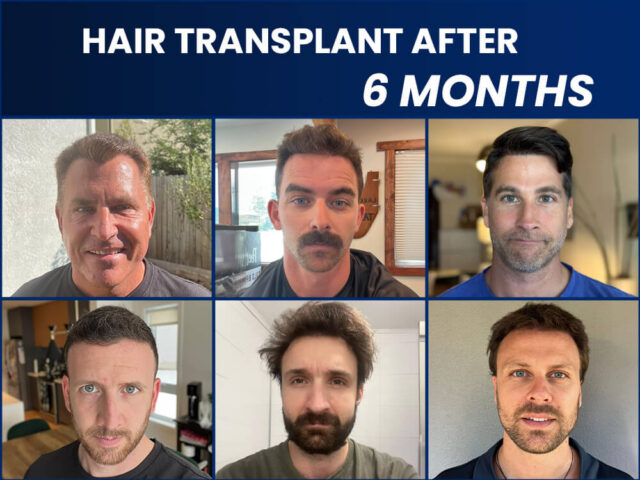
Hair transplant results after 6 months show around half of your final density. Roughly 50% of the transplanted hairs are actively growing, they are still finer and lighter than they will be at twelve months, and the patchiness of months three and four has largely evened out. This is the first point at which the result starts to look like a result.
Key Takeaways: The 6-Month Milestone
Density: 6 months post hair transplant, around 50% of the final result is visible.
Texture: hairs are growing but remain fine; thickening continues through months eight to twelve.
Evenness: uneven growth from months three and four has mostly resolved.
Still to come: the remaining density develops over the following six months, and the crown can keep improving for up to eighteen months.
Assessment: hair transplant results after 6 months are a midpoint, not a verdict — final results are judged at twelve months.
The earlier stages are covered separately — see our guide to the first month after a hair transplant.
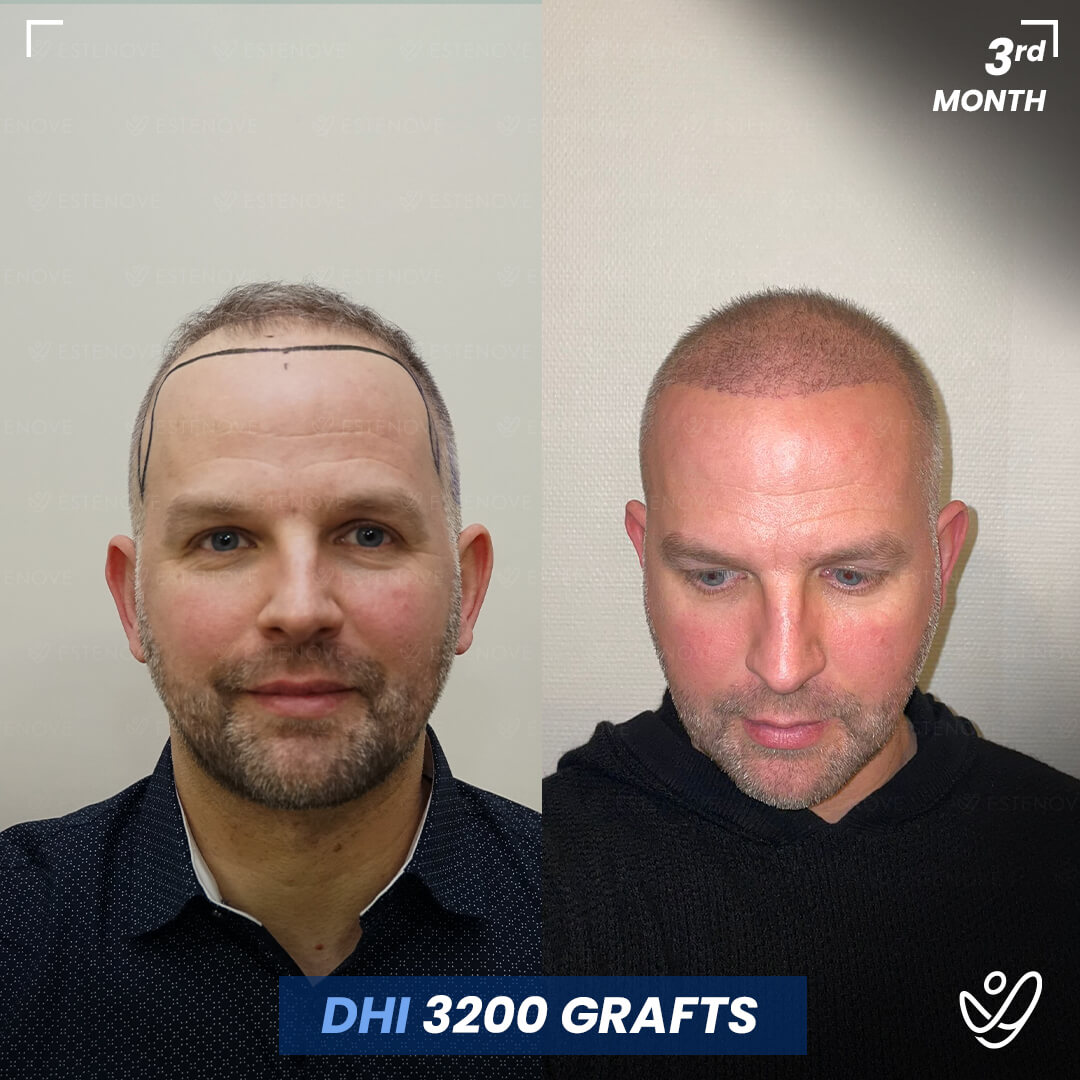
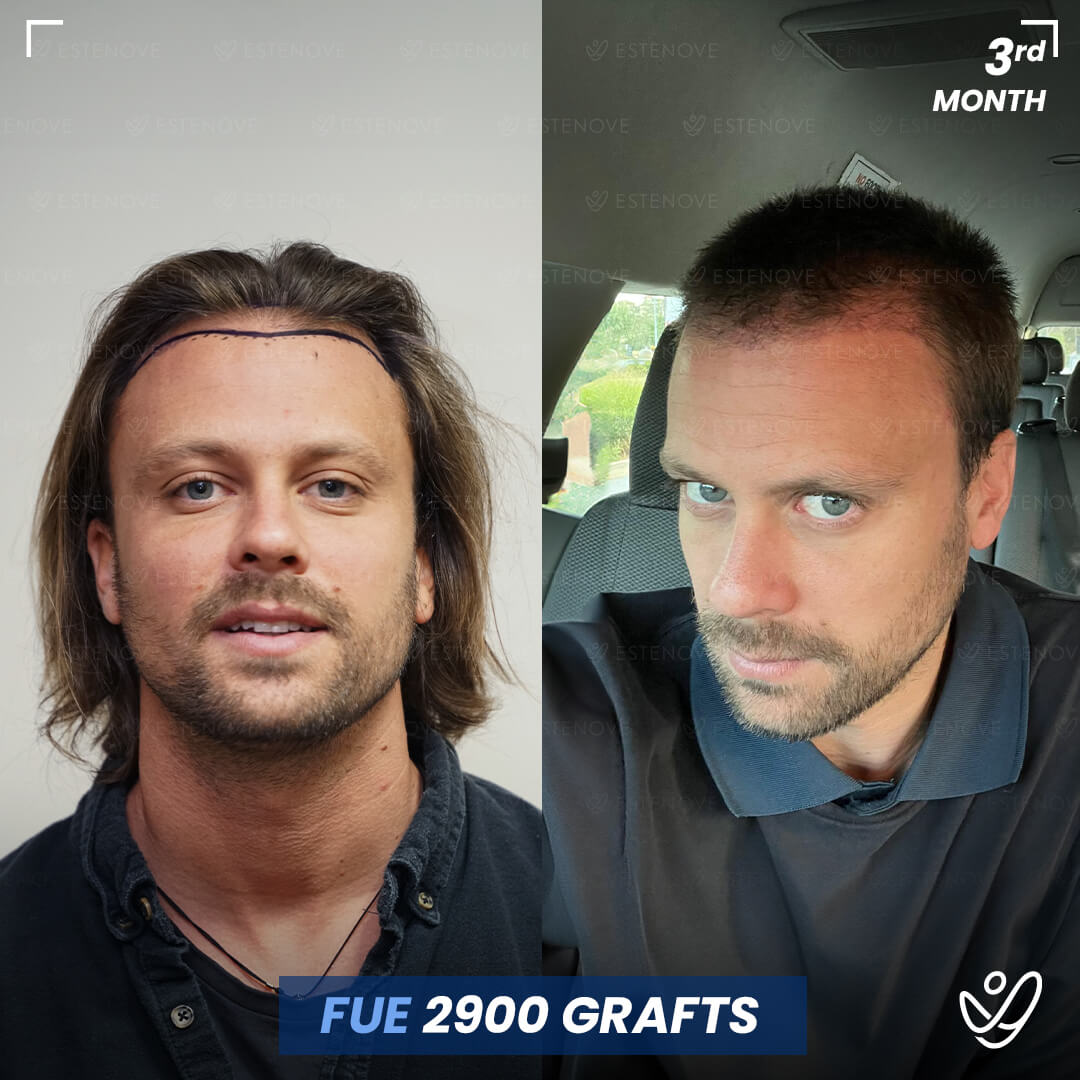
Progression from Month 3 to Month 6
As the first month post-transplant comes to an end, hair growth and transplant stabilization become more apparent. Understanding the hair transplant progression from month 3 to month 6 can provide valuable insights into the journey towards more substantial and lasting results.
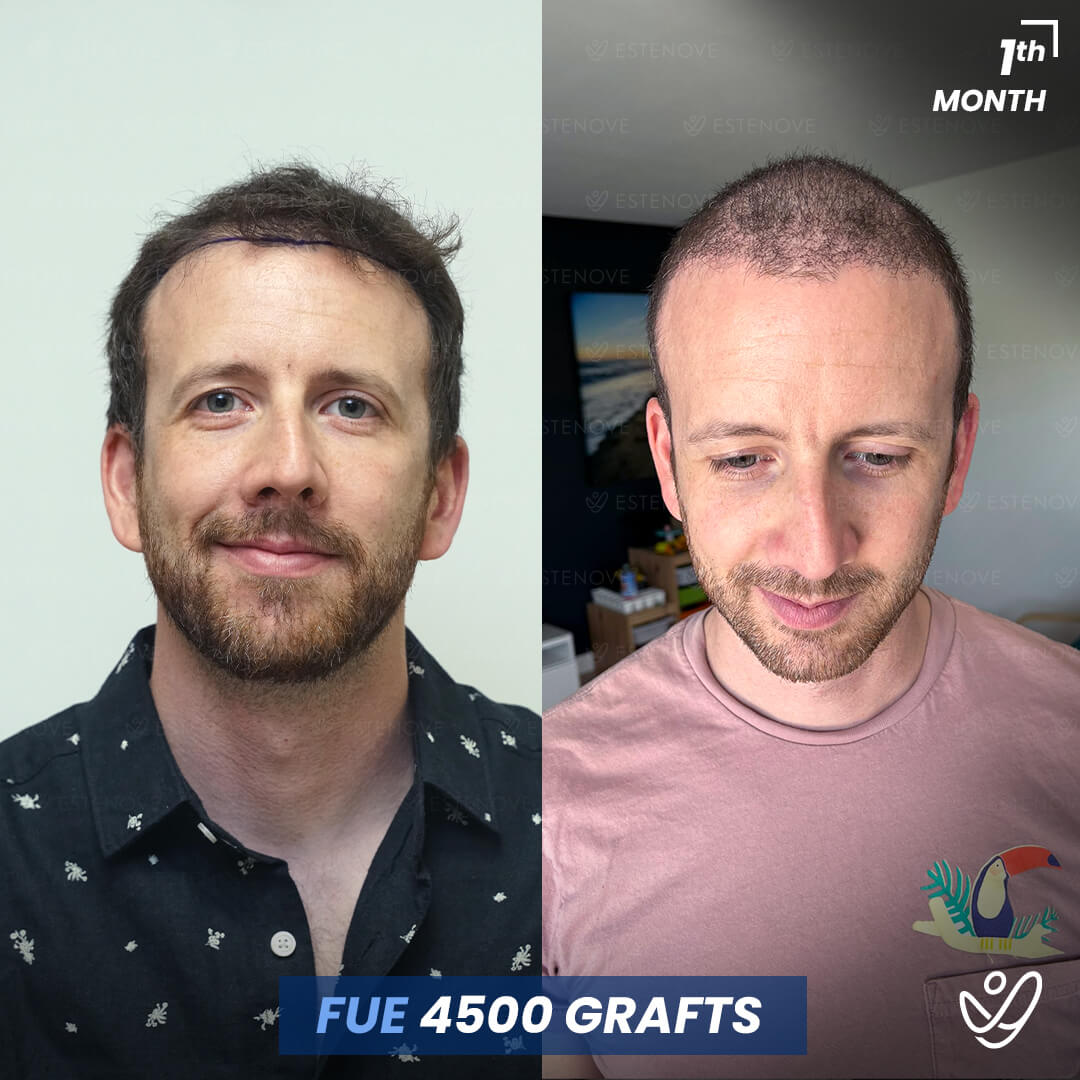
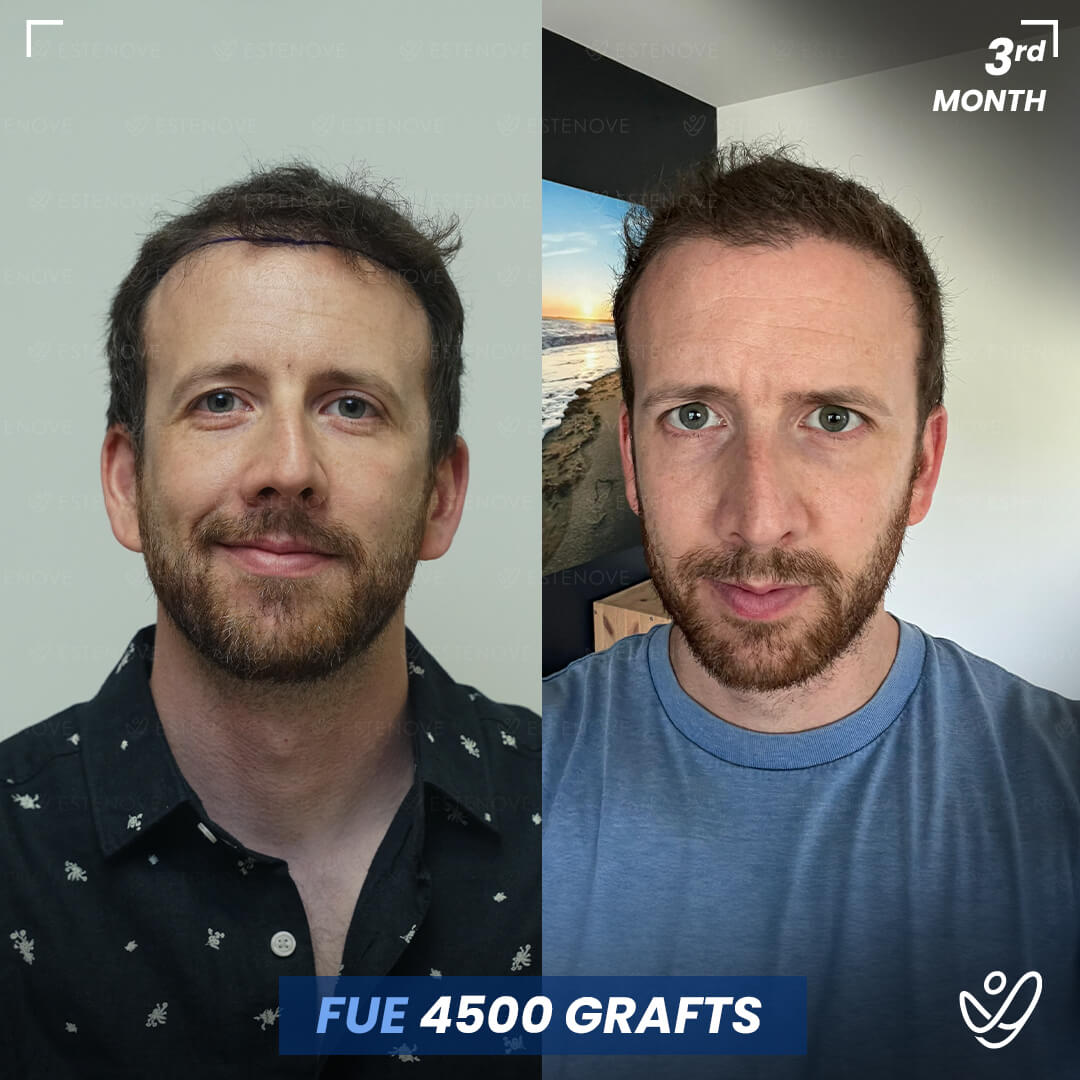
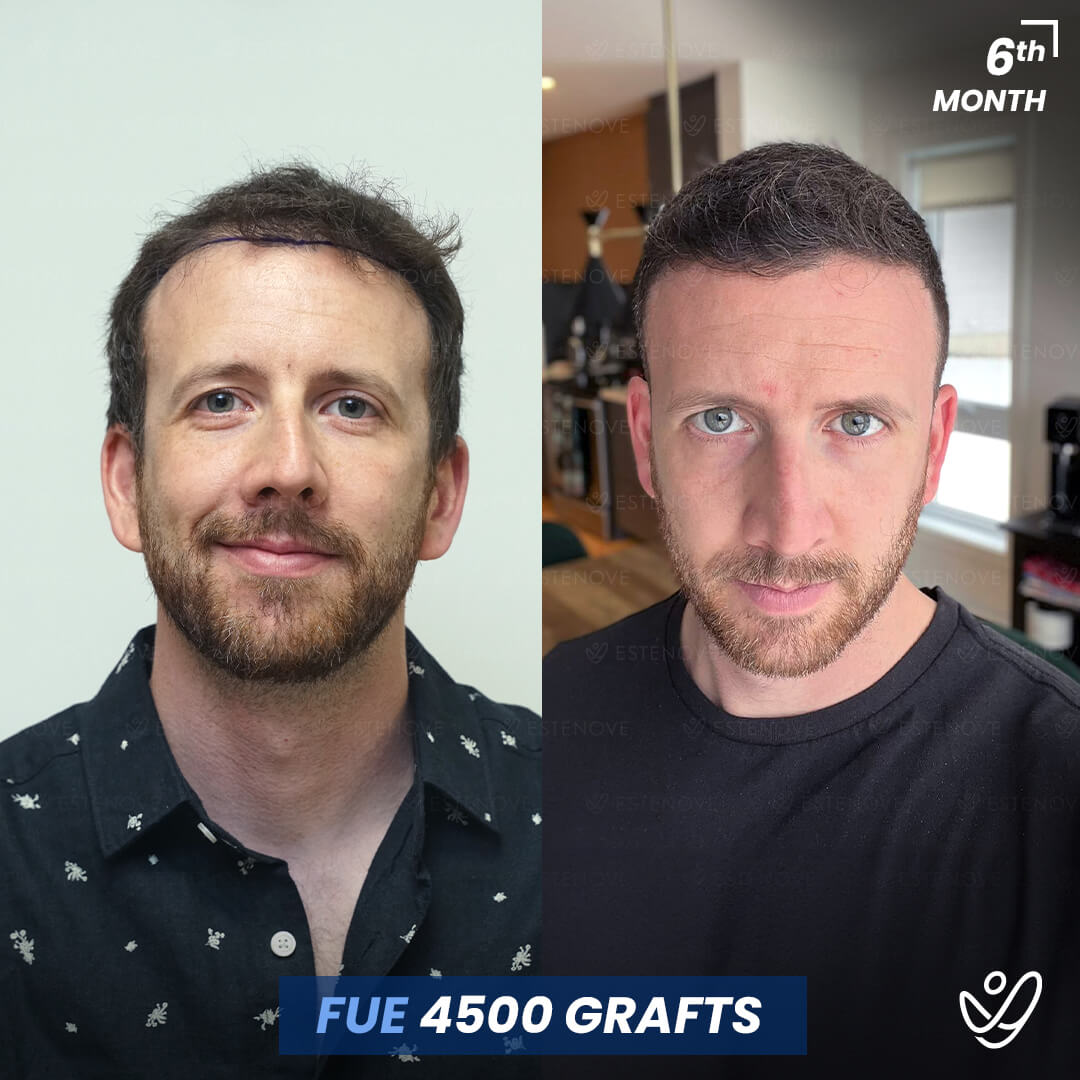
Embarking on the journey from month 3 to month 6 post-transplant reveals a remarkable development in hair restoration. This period marks a crucial phase where the initial signs of new growth start to materialize, offering a glimpse into the transformative process taking place beneath the surface.
Hair Growth and Transplant Stabilization
Starting from month 2, new hair growth becomes noticeable. The transplanted hairs enter the anagen (growth) phase, and you may observe small sprouts emerging from the scalp. These initial hairs are typically thinner and lighter in color than the final outcome, but they signal the beginning of a promising transformation.
Transitioning into months 3 to 4, the newly transplanted hair continues to thicken and strengthen, gradually blending in with the existing hair. This period is marked by a noticeable increase in density as the transplanted follicles acclimate to their new environment, contributing to a more cohesive and natural-looking appearance.
No Density 6 Months After a Hair Transplant: What It Means
Seeing no density 6 months after a hair transplant is usually a matter of timing rather than a failed procedure, because density depends on hair thickness as much as on hair count. Hair transplant results after 6 months reflect follicles that are active but not yet mature.
When to raise it with your clinic
Some signs are worth checking rather than waiting out: an area showing no growth at all while the rest of the recipient zone has filled in, redness or inflammation persisting at six months, ongoing pain, or a donor area that appears genuinely depleted. Photographs taken in consistent lighting at monthly intervals are the most reliable way to judge hair growth 6 months before and after, and they are also what your clinic needs to assess your case remotely.
A realistic assessment of final density is normally made at twelve months, and any discussion of a second session follows that assessment rather than preceding it.
Around half the final hairs are present at six months, and those hairs are still thinner than they will eventually be. A scalp with most of its follicles active can therefore still look sparse while the shafts remain fine. Thickening continues through months eight to twelve, and the crown runs on a slower schedule than the hairline — it can keep improving for up to eighteen months.
Potential Challenges and Solutions
During the months post-transplant, some individuals may face challenges such as temporary shock loss or uneven hair growth. While these situations may cause concern, it’s crucial to remember that they are the part of the normal healing and growth process and temporary. Consulting with your doctor and following their recommendations can help address and alleviate any concerns or challenges you may encounter. In Estenove, we offer 1 year After Care Assistance: On WhatsApp group chat with specialists.
Moreover, maintaining a healthy lifestyle and adhering to post-operative care instructions play a vital role in optimizing the results of your hair transplant journey. Adequate nutrition, proper scalp care, and patience are key components in nurturing the transplanted hair and ensuring its long-term success.
Long-Term Results and Maintenance
Reaching the 6-month mark after a hair transplant is an exciting time as you begin to enjoy more permanent results. However, it’s essential to understand what to expect and how to maintain your newly transplanted hair for the future.
As time progresses beyond the 6-month milestone, the full impact of the hair transplant becomes even more apparent. At around 12 to 18 months post-procedure, patients often experience the final results of their hair restoration journey. The transplanted hair fully integrates with the existing hair, creating a natural and seamless look. This period also allows for any additional touch-ups or adjustments that may be desired to further enhance the overall outcome.
What Results to Expect After 6 Months
At six months you are typically seeing around 50% of your final result. Roughly half the transplanted hairs are actively growing by this stage, but they remain finer than they will be at twelve months, so visible density lags slightly behind the number of active follicles. Hair transplant 6 month progress is therefore better judged by comparing monthly photographs than by looking in the mirror. The transplanted hairs continue to mature and blend seamlessly with your existing hair. While individual results may vary, most individuals report a noticeable boost in confidence and self-esteem as their hair continues to grow and evolve.
Moreover, beyond the physical changes, many patients also notice a positive shift in their overall well-being. The restoration of a fuller head of hair often leads to increased satisfaction with one’s appearance, which can have a profound impact on various aspects of life, including social interactions and self-image. Gain your confidence with Estenove!
Maintaining Your Transplanted Hair
Proper hair care and maintenance are crucial to ensuring long-lasting results. Your doctor will provide guidance on post-transplant care, which may include using gentle hair care products, avoiding excessive heat or chemical treatments, and incorporating a healthy lifestyle to support overall hair health. Regular follow-up appointments with your doctor will ensure that any potential issues or concerns are addressed promptly.
Additionally, adopting a holistic approach to hair maintenance can further optimize the longevity of your results. This may involve incorporating scalp massages to promote blood circulation, following a balanced diet rich in essential nutrients for hair growth, and protecting your scalp from excessive sun exposure. By nurturing your transplanted hair from both inside and outside, you can help preserve the integrity and vitality of your newly acquired locks for years to come.
Frequently Asked Questions About Hair Transplants
What do hair transplant results look like after 6 months?
Around half the final density is visible. The new hairs are growing but remain finer and often lighter than the surrounding hair, so the area looks noticeably fuller than at three months without yet looking complete.
Is my hair transplant 6 month progress normal if it still looks thin?
In most cases yes. Thinness at six months usually reflects hair calibre rather than follicle count — the hairs are present but have not thickened. Continued improvement through months eight to twelve is the expected pattern.
How much more growth should I expect after 6 months?
The remaining half of the density develops over the following six months, alongside thickening of the hairs already growing. The crown typically lags the hairline and can keep improving for up to eighteen months.
What does 6 months post FUE look like compared with DHI?
Broadly the same. Both techniques follow the same growth curve, because timing is governed by the follicle cycle rather than by the extraction or implantation method.
Can I cut or style my hair at six months?
Yes. The grafts are long established by six months and normal cutting, washing and styling present no risk. Scissors are generally preferred over clippers on the recipient area while the hair is still short.
When is the final result assessed?
At around twelve months for the hairline and up to eighteen months for the crown. Any decision about a second session follows that assessment.
Medical Disclaimer: The timeline described in this hair transplant after 6 months guide represents the typical biological progression. Individual growth rates vary, especially in the crown area. This content was medically reviewed by Dr. Zafer Çetinkaya.