Few things catch women off guard quite like pulling a clump of hair from the shower drain and realizing the volume they once took for granted is quietly disappearing. Menopause hair loss affects a staggering number of women: roughly half of those going through the menopausal transition and around two out of three postmenopausal women will notice some degree of thinning. The emotional toll is real, and the science behind it is more complex than a single hormone drop. Thinning hair during menopause results from a collision of shifting hormones, nutritional gaps, stress responses, and changes in scalp biology that all compound at once.
The good news is that this type of hair loss is rarely permanent in the way male-pattern baldness can be. With the right combination of medical treatment, lifestyle changes, and targeted nutrition, most women can slow the process, protect remaining follicles, and in many cases encourage meaningful regrowth. This guide breaks down exactly what is happening inside your body, what triggers accelerate the problem, and which treatments actually deliver results based on clinical evidence and expert recommendations.
Understanding the Link Between Hormones and Hair Thinning
Hair growth is not a passive process. Each follicle on your scalp cycles through three distinct phases: anagen (active growth, lasting two to seven years), catagen (a brief transitional phase of about two weeks), and telogen (a resting phase lasting roughly three months before the hair sheds). During your reproductive years, a healthy hormonal balance keeps the majority of your 80,000 to 120,000 scalp follicles in the anagen phase at any given time. Menopause disrupts that balance in ways that directly shorten growth cycles and weaken hair structure.
The hormonal shift is not a single event. Perimenopause can begin as early as your late 30s, with fluctuating hormone levels creating unpredictable effects on hair density long before your final period. By the time menopause is confirmed (12 consecutive months without menstruation), the hormonal environment has fundamentally changed. Approximately 52.2% of postmenopausal women are affected by Female Pattern Hair Loss, a condition characterized by diffuse thinning across the crown and widening of the central part.
What makes menopausal hair thinning different from other forms of hair loss is its multifactorial nature. It is not just one hormone declining: it is the ratio between multiple hormones shifting simultaneously, creating a new biochemical environment that follicles were never designed to thrive in.
The Role of Oestrogen and Progesterone in Hair Growth
Oestrogen is one of the most powerful hair-protective hormones in the female body. It extends the anagen phase, meaning each individual hair strand grows for a longer period before entering the resting and shedding stages. This is why many women notice thicker, more lustrous hair during pregnancy, when oestrogen levels surge to their highest point. The connection between oestrogen and hair loss becomes painfully clear during menopause, when oestrogen production from the ovaries drops by approximately 80 to 90 percent.
Progesterone plays a complementary role. It acts as a natural inhibitor of 5-alpha reductase, the enzyme responsible for converting testosterone into dihydrotestosterone (DHT), which is the androgen most directly responsible for follicle miniaturization. When progesterone levels fall during perimenopause, this protective barrier weakens, allowing DHT to exert a stronger influence on susceptible follicles.
The decline of both hormones creates a double vulnerability. Hair spends less time growing and more time resting. Individual strands become finer in diameter, and the overall density across the scalp visibly decreases. Women often first notice this as a wider part line or a ponytail that feels noticeably thinner than it did a few years earlier.
How Increased Androgens Trigger Hormonal Hair Loss
The total amount of androgens in a woman’s body does not necessarily increase during menopause. What changes is the ratio. As oestrogen and progesterone decline sharply, androgens like testosterone and DHEA-S, which were always present in smaller quantities, become proportionally dominant. This relative androgen excess is the primary driver of hormonal hair loss in women.
The mechanism is specific. Testosterone circulating in the bloodstream is converted to DHT by 5-alpha reductase enzymes present in the hair follicle itself. DHT binds to androgen receptors on genetically susceptible follicles, triggering a process called follicular miniaturization. Over successive hair cycles, the affected follicle produces thinner, shorter, and less pigmented hairs until eventually it produces only a fine, nearly invisible vellus hair, or stops producing hair altogether.
This process explains the characteristic pattern of female hair loss. Unlike men, who typically lose hair at the temples and crown in a predictable pattern, women experience diffuse thinning across the top of the scalp while usually maintaining their frontal hairline. The distribution reflects which follicles carry the highest density of androgen receptors.
Genetic predisposition determines how sensitive your follicles are to DHT. If your mother or maternal grandmother experienced noticeable thinning after menopause, your risk is significantly elevated. But genetics set the stage: hormones pull the trigger.
Common Causes and Triggers of Menopause Hair Loss
Hormones are the primary driver, but they rarely act alone. The menopausal transition coincides with a period of life when multiple hair-damaging factors tend to converge. Nutritional absorption declines with age, chronic stress is common, thyroid function can shift, and medications for other age-related conditions may carry hair loss as a side effect. Understanding these compounding triggers is essential because addressing hormones alone often produces incomplete results.
As Dr. Yadav has noted, daily habits play a significant role in how hair behaves during and after menopause because the scalp and follicles become more sensitive to stress, inflammation, and nutrient gaps as oestrogen declines. This increased sensitivity means that factors which had minimal impact on your hair in your 30s can become significant contributors to thinning in your 50s.
The distinction between primary causes and accelerating triggers matters for treatment planning. You cannot control your genetic sensitivity to androgens, but you can control many of the factors that make the problem worse.
Nutritional Deficiencies and Metabolic Changes
Iron deficiency is the single most common nutritional contributor to hair loss in menopausal women, and it is frequently overlooked. Ferritin (stored iron) levels below 30 ng/mL are associated with increased hair shedding, yet many physicians do not test ferritin unless a patient is frankly anemic. Women who had heavy periods during perimenopause often enter menopause with depleted iron stores, and the effects on hair can persist for months or years.
Vitamin D deficiency is another major factor. Vitamin D receptors are present on hair follicles and play a role in the anagen initiation process. Studies have shown that women with hair loss tend to have significantly lower serum vitamin D levels than controls. Given that an estimated 40 to 60 percent of adults in northern latitudes are vitamin D insufficient, this is a widespread and correctable problem.
Zinc, biotin, and omega-3 fatty acids round out the list of nutrients most directly linked to hair health. Zinc supports the structural protein keratin that forms the hair shaft. Biotin deficiency, while relatively rare in isolation, becomes more common with age and certain medications. Omega-3 fatty acids reduce scalp inflammation and support the lipid layer that protects hair strands.
Metabolic changes also play a role. Insulin resistance increases during menopause, and elevated insulin levels stimulate the ovaries and adrenal glands to produce more androgens. This creates a vicious cycle: metabolic dysfunction worsens hormonal hair loss, and the stress of hair loss can worsen metabolic markers. Maintaining stable blood sugar through diet and exercise is therefore a legitimate hair loss intervention, not just a general health recommendation.
The Impact of Chronic Stress on the Hair Cycle
Chronic stress triggers a specific type of hair loss called telogen effluvium, where a disproportionate number of follicles are pushed from the growth phase into the resting phase simultaneously. The result is diffuse shedding that typically begins two to four months after the stressful event or period. For menopausal women already experiencing hormonally driven thinning, telogen effluvium can dramatically accelerate visible hair loss.
The biological mechanism involves cortisol, the body’s primary stress hormone. Elevated cortisol levels disrupt the hair cycle by prematurely terminating the anagen phase. Cortisol also diverts nutritional resources away from non-essential functions like hair growth toward vital organ systems. Chronic elevation, as opposed to acute spikes, is particularly damaging because it creates a sustained hostile environment for follicles.
Menopause itself is a physiological stressor. Hot flashes, sleep disruption, mood changes, and the emotional weight of visible aging all contribute to elevated baseline cortisol. Many women also face significant life stressors during this period: caring for aging parents, career transitions, relationship changes, or health concerns. The cumulative stress load can be enormous.
Practical stress management is not optional for women trying to protect their hair during menopause. Evidence supports mindfulness meditation (even 10 to 15 minutes daily), regular moderate exercise, and adequate sleep (seven to eight hours) as interventions that measurably lower cortisol. Scalp massage for four minutes daily has also shown promise in small studies, likely through both stress reduction and increased local blood flow to follicles.
Effective Menopause Hair Loss Treatment Options
Treatment works best when it is layered. As hair restoration expert James Kilgour has noted, menopausal hair loss involves multiple factors and requires a comprehensive plan addressing hormonal, nutritional, and scalp health factors simultaneously. A single intervention rarely produces dramatic results on its own, but combining two or three evidence-based treatments often yields visible improvement within four to six months.
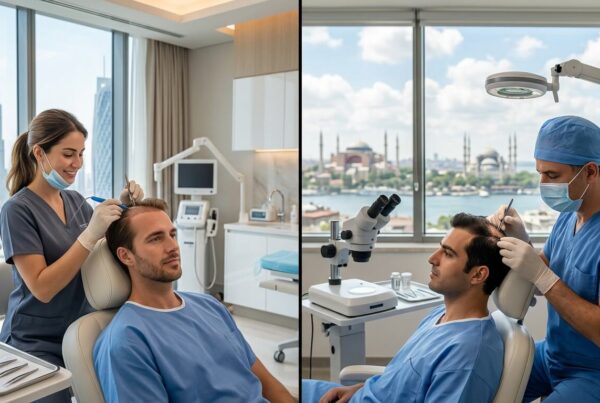
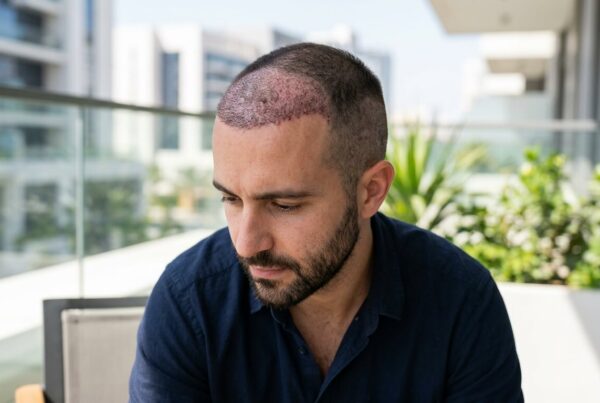
The treatment landscape for menopause-related hair thinning has expanded significantly in recent years. Beyond the established options of minoxidil and hormone therapy, newer approaches including low-level laser therapy, platelet-rich plasma injections, and targeted nutraceuticals have entered the evidence base. For women with advanced thinning who want a more definitive solution, hair transplant procedures using techniques like FUE (Follicular Unit Extraction) and DHI (Direct Hair Implantation) have become increasingly refined. Clinics like Estenove in Turkey specialize in these advanced transplant methods for women, offering stem cell-enhanced approaches that can restore density in areas where follicles have permanently miniaturized.
Setting realistic expectations is critical. Most treatments require three to six months of consistent use before visible results appear, and some require 12 months for full effect. Progress tracking through monthly photographs of the hairline and part under consistent lighting helps you objectively assess whether a treatment is working.
Medical Interventions and Hormone Replacement Therapy
Hormone Replacement Therapy (HRT) addresses the root hormonal cause of menopausal hair loss by supplementing declining oestrogen and progesterone. Systemic oestrogen therapy can slow follicular miniaturization and extend the growth phase, while the progesterone component helps inhibit DHT production. Clinical evidence shows that women on HRT tend to experience less hair thinning than those who are not, though the degree of benefit varies.
The type of HRT matters for hair outcomes. Bioidentical oestradiol delivered transdermally (patches or gels) is generally preferred over oral conjugated oestrogens because it avoids first-pass liver metabolism and produces more stable blood levels. The progesterone component should ideally be micronized progesterone rather than synthetic progestins, as some synthetic progestins have androgenic properties that can actually worsen hair loss.
Anti-androgen medications represent another medical option. Spironolactone, prescribed off-label at doses of 100 to 200 mg daily, blocks androgen receptors and reduces DHT’s effect on follicles. It is one of the most commonly prescribed treatments for female pattern hair loss and can be combined with HRT for enhanced results. Side effects include diuresis, dizziness, and menstrual irregularities (less relevant for postmenopausal women), and regular potassium monitoring is required.
Finasteride, the 5-alpha reductase inhibitor widely used in men, is sometimes prescribed off-label for postmenopausal women at lower doses (1 to 2.5 mg daily). It directly reduces DHT production. However, it is absolutely contraindicated in women who could become pregnant due to the risk of birth defects in male fetuses, so it is reserved exclusively for postmenopausal patients.
Topical Solutions and Growth-Boosting Serums
Minoxidil remains the gold standard topical treatment for female hair loss. Available over the counter in 2% and 5% concentrations, it works by prolonging the anagen phase and increasing blood flow to the follicle. As one expert has put it, minoxidil is still the most effective topical option because it helps keep hair in the growth phase longer. The 5% foam formulation is generally recommended for women, applied once daily to the affected areas of the scalp.
Results from minoxidil follow a predictable timeline. Initial shedding (a temporary increase in hair fall as weaker hairs are pushed out) commonly occurs in the first two to six weeks and alarms many users into stopping prematurely. Visible improvement typically begins at three to four months, with maximum results at 12 months. The treatment must be continued indefinitely: stopping minoxidil results in a return to the pre-treatment pattern within three to six months.
Low-level laser therapy (LLLT) devices, available as combs, helmets, and caps, use red light at wavelengths of 650 to 670 nm to stimulate cellular energy production in follicles. FDA-cleared devices have shown modest but statistically significant improvements in hair density in clinical trials. Treatment protocols typically involve three sessions per week of 15 to 25 minutes each.
Platelet-rich plasma (PRP) therapy involves drawing a small amount of the patient’s blood, concentrating the platelets and growth factors through centrifugation, and injecting the resulting solution into the scalp at 1 cm intervals across thinning areas. A typical protocol includes three to four sessions spaced four to six weeks apart, followed by maintenance treatments every six to twelve months. PRP has shown promising results in multiple studies, though the quality of evidence is still building.
Topical serums containing peptides, caffeine, saw palmetto extract, and procapil have entered the market as adjunctive treatments. While none match minoxidil’s evidence base, caffeine has demonstrated the ability to counteract testosterone-driven suppression of hair growth in vitro, and saw palmetto acts as a mild natural 5-alpha reductase inhibitor.
Lifestyle Adjustments to Manage Thinning Hair
Medical treatments address the biological mechanisms of hair loss, but daily habits determine the environment in which those treatments operate. A follicle receiving minoxidil and adequate hormonal support will still underperform if it is chronically inflamed, poorly nourished, or mechanically stressed. Lifestyle adjustments are not secondary to medical treatment: they are a necessary complement.
Scalp care deserves specific attention. Menopausal changes reduce sebum production, often leading to a drier, more sensitive scalp. Switching to sulphate-free shampoos reduces irritation. Washing frequency should balance oil control with moisture retention: for most women, every two to three days is optimal. A weekly scalp exfoliation using a gentle salicylic acid-based product removes buildup that can clog follicles and impede topical treatment absorption.
Heat styling and chemical processing should be minimized. Hair that is already finer and more fragile due to hormonal changes is significantly more vulnerable to thermal damage. If heat tools are necessary, a heat protectant spray and temperatures below 150 degrees Celsius (300 degrees Fahrenheit) reduce breakage. Tight hairstyles that create traction on the hairline, including high ponytails, braids, and buns, should be avoided or alternated to prevent traction alopecia compounding hormonal thinning.
Cosmetic camouflage techniques can provide immediate confidence while waiting for treatments to take effect. Keratin-based hair fibers, applied to thinning areas, electrostatically bond to existing hairs and create the visual appearance of greater density. Dry shampoo at the roots adds lift and volume. A collarbone-length cut with layers creates movement that disguises thinning more effectively than very long hair, which tends to lie flat and expose the scalp. Switching your part to a zigzag pattern rather than a straight line also reduces the visibility of scalp show-through.
Sleep quality directly affects hair growth. Growth hormone, which supports cellular repair including follicle function, is released primarily during deep sleep stages. Women experiencing menopause-related insomnia should address it aggressively: not just for hair, but for overall health. Cooling bedding, consistent sleep schedules, and limiting caffeine after noon are practical first steps. If sleep disruption is severe, medical evaluation for sleep apnea or discussion of short-term sleep aids with a physician is warranted.
Dietary Staples for Stronger Hair Follicles
Protein is the non-negotiable foundation. Hair is approximately 85% keratin, a structural protein, and inadequate protein intake directly limits the raw material available for hair production. Women over 50 should aim for 1.0 to 1.2 grams of protein per kilogram of body weight daily, which is higher than the standard recommendation. Practical sources include eggs (which also provide biotin and vitamin D), fatty fish like salmon (rich in omega-3s), Greek yogurt, lentils, and lean poultry.
Iron-rich foods deserve deliberate inclusion. Red meat is the most bioavailable source of heme iron, but plant-based options like spinach, lentils, and fortified cereals provide non-heme iron that can be enhanced by pairing with vitamin C sources. A squeeze of lemon on spinach or a glass of orange juice with an iron-rich meal can increase absorption by up to 300%. Women with ferritin levels below 50 ng/mL should consider supplementation under medical guidance, as dietary changes alone may not restore levels quickly enough.
A targeted daily supplement protocol for menopausal hair health might include:
- Vitamin D3: 2,000 to 4,000 IU daily (adjust based on blood levels, targeting 50 to 80 ng/mL)
- Iron bisglycinate: 25 to 50 mg daily (if ferritin is below 50 ng/mL, taken on an empty stomach or with vitamin C)
- Zinc picolinate: 15 to 30 mg daily (take with food to avoid nausea)
- Omega-3 fish oil: 1,000 to 2,000 mg EPA/DHA combined daily
- Biotin: 2,500 to 5,000 mcg daily (note: biotin can interfere with certain lab tests, so inform your physician)
Phytoestrogens, plant compounds that weakly mimic oestrogen activity, may offer modest hair benefits. Soy products (tofu, tempeh, edamame), flaxseeds, and sesame seeds are the richest dietary sources. While the evidence for phytoestrogens specifically improving hair density is limited, their general oestrogen-supportive effects during menopause are well documented.
Hydration is often overlooked. The hair shaft requires adequate moisture to maintain elasticity and resist breakage. Aim for a minimum of two liters of water daily, and more if you exercise regularly or live in a dry climate.
F.A.Q
No. While approximately 50% of women undergoing menopause experience some degree of hair loss, the remaining half may notice little to no change. Genetic susceptibility is the primary determinant: women whose follicles carry fewer androgen receptors or whose receptors are less sensitive to DHT may pass through menopause with minimal thinning. Lifestyle factors, nutritional status, and overall health also influence whether the hormonal shift translates into visible hair loss.
Partially, in most cases. Hair that has thinned due to follicular miniaturization can often be restored to a thicker diameter with appropriate treatment, particularly if intervention begins early. Follicles that have been miniaturized for many years may be more resistant to treatment, which is why early action matters. Complete restoration to pre-menopausal density is uncommon without surgical intervention, but significant improvement is achievable for most women who commit to a multi-pronged treatment plan for six to twelve months.
No single treatment works best for everyone, but the strongest evidence supports topical minoxidil 5% as a first-line treatment, often combined with an anti-androgen like spironolactone and nutritional optimization (particularly iron, vitamin D, and protein). Women who are candidates for HRT may see additional benefit. The most effective approach combines two or three treatments simultaneously rather than relying on any single intervention.
Yes, HRT can help by restoring oestrogen levels that support the hair growth cycle and by providing progesterone that inhibits DHT production. The benefit varies by individual and by the specific HRT formulation used. Transdermal bioidentical oestradiol combined with micronized progesterone is generally considered the most hair-friendly option. HRT is not a standalone hair loss treatment for most women but works well as part of a broader strategy. Discuss the risks and benefits with your physician, as HRT carries considerations beyond hair health.
The vitamins and minerals with the strongest evidence for supporting hair during menopause are vitamin D, iron (technically a mineral), zinc, biotin, and omega-3 fatty acids. Vitamin D supports follicle cycling, iron provides oxygen to the hair matrix, zinc supports keratin structure, biotin aids protein metabolism, and omega-3s reduce scalp inflammation. Blood testing for vitamin D and ferritin levels before supplementing is strongly recommended, as both deficiency and excess can cause problems.