A 4000-graft hair transplant sits at the upper end of what most clinics perform in a single session, making it one of the most significant procedures in hair restoration. For patients dealing with advanced thinning across the frontal, mid-scalp, and crown regions, this graft count often represents the difference between partial improvement and a genuinely transformative result. But the financial side of the equation varies wildly depending on where you have the surgery performed.
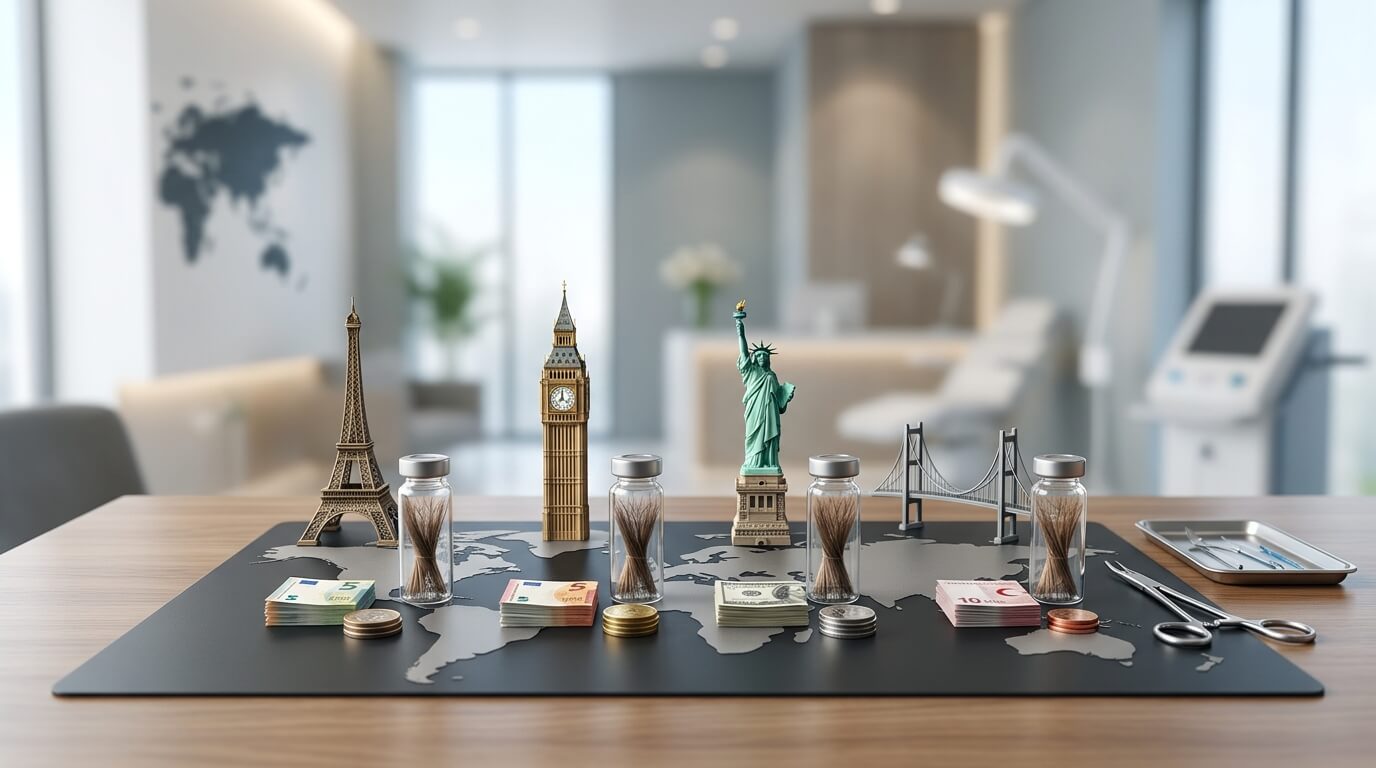
In the United States, a procedure of this scale typically costs around $20,000, with some clinics quoting as high as $32,000. Meanwhile, the same graft count in Turkey can be completed for a fraction of that figure. This kind of price disparity is exactly why a full country-by-country cost comparison matters before committing to surgery. Geography alone can shift your total bill by $15,000 or more, and understanding the reasons behind those differences helps you make a smarter decision. Whether you’re evaluating clinics in London, Bangkok, or Istanbul, the goal is the same: maximum coverage, minimal regret, and a price that reflects genuine value rather than inflated overhead.
The Anatomy of 4000 Grafts: What to Expect
A single graft contains between one and four individual hair follicles. This distinction matters because 4000 grafts doesn’t mean 4000 hairs: it typically translates to somewhere between 8,000 and 12,000 individual hairs, depending on your follicular groupings. The actual visual density you achieve depends on the ratio of single, double, triple, and quadruple follicular units harvested from your donor area.
Dr. Ahmet Murat from Hermest Hair Clinic puts it well: “A 4000-graft procedure strikes the perfect balance between coverage and donor preservation. It’s the sweet spot for many patients.” That balance is critical. Extracting too many grafts risks depleting the donor zone at the back and sides of the head, leaving visible thinning in areas that should remain permanently dense.
The procedure itself typically lasts between six and ten hours, depending on the technique used. Patients should expect the surgical team to map the recipient area beforehand, marking hairline placement, density zones, and the angle of insertion for each graft. This planning phase is just as important as the extraction itself.
Determining Total Coverage and Density
The number of grafts you need depends on two primary variables: the total area of hair loss measured in square centimeters and the density you want per square centimeter. Most surgeons target between 35 and 50 grafts per square centimeter for a natural-looking result. Anything below 30 starts to look sparse. Anything above 50 risks poor graft survival due to overcrowding.
For a patient with a Norwood 4 or 5 pattern, 4000 grafts can cover roughly 80 to 120 square centimeters at moderate density. That’s enough to restore the frontal third and mid-scalp, with some allocation left for the crown. Patients with finer hair or lighter coloring may actually need fewer grafts because the contrast between scalp and hair is less pronounced, creating the illusion of greater density.
A skilled surgeon will distribute grafts strategically: single-follicle units along the hairline for a soft, natural edge, and multi-follicle units behind it for bulk and volume. This graduated approach is what separates a result that looks transplanted from one that looks grown.
FUE vs. DHI: Technique-Based Pricing Differences
The two dominant techniques for large-scale transplants are Follicular Unit Extraction (FUE) and Direct Hair Implantation (DHI). Both extract individual follicular units from the donor area, but they differ in how those grafts are implanted.
FUE involves extracting grafts with a micro-punch tool (typically 0.6mm to 1.0mm in diameter), then creating recipient channels with a sapphire blade or steel slit, and finally placing the grafts into those channels. DHI collapses the channel-creation and placement steps into one motion using a Choi implanter pen, a specialized tool with a hollow needle ranging from 0.5mm to 1.5mm that simultaneously punctures the scalp and loads the graft.
DHI generally costs 20% to 40% more than FUE for the same graft count. The reason is straightforward: DHI requires more implanter pens (often 15 to 20 per session, each used for a limited number of grafts), a larger surgical team, and more meticulous handling of each follicular unit. For a 4000-graft session, this translates to a meaningful price difference. In Turkey, for example, an FUE procedure might cost $2,200 while the same graft count via DHI could reach $3,500 to $4,500.
Global Cost Breakdown by Region
Price is the single biggest variable in hair transplant surgery, and it’s almost entirely determined by geography. The same surgeon skill level, the same graft count, and the same technique can produce wildly different invoices depending on the country. Here’s how the numbers break down across major markets.
Premium Pricing in the USA, UK, and Europe
The United States remains the most expensive market for hair restoration. A 4000-graft FUE procedure ranges from $12,000 to $32,000, with the national average hovering near $20,000. Prices in major metropolitan areas like New York, Los Angeles, and Miami tend to cluster at the higher end. Most US clinics charge on a per-graft basis, typically $3 to $8 per graft, and rarely include ancillary costs like PRP therapy, medications, or follow-up appointments.
The UK market is similarly expensive. London clinics regularly quote between £8,000 and £15,000 ($10,000 to $19,000) for 4000 grafts. Outside London, prices drop slightly, but the UK’s relatively small number of specialized clinics keeps competition limited and prices elevated.
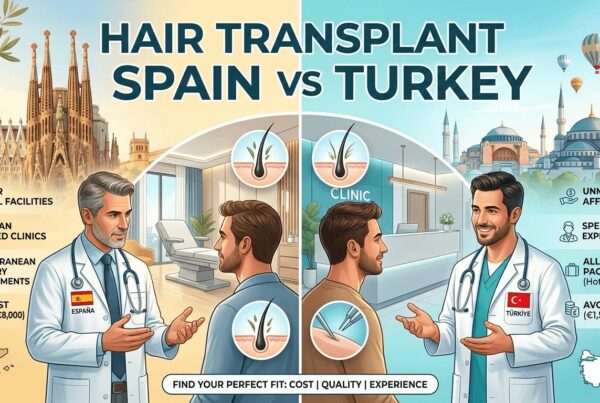
Western Europe presents a mixed picture. Germany and France fall in the $8,000 to $14,000 range. Spain and Portugal, which have developed growing medical tourism sectors, offer somewhat lower pricing at $5,000 to $9,000. The key driver behind these premium prices is overhead: higher rent, higher staff salaries, stricter regulatory compliance costs, and malpractice insurance premiums that don’t exist in the same form in developing markets.
Medical Tourism Hubs: Turkey, Mexico, and Thailand
Turkey dominates the global hair transplant market, performing an estimated 500,000 to 700,000 procedures annually. A 4000-graft transplant in Turkey typically ranges between $2,200 and $3,800, a fraction of Western pricing. Istanbul’s Şişli and Fatih districts house the highest concentration of clinics, many within walking distance of major hospitals and just 30 to 45 minutes from Istanbul Airport.
The cost advantage isn’t about cutting corners. Turkey’s lower cost of living, favorable exchange rates, and sheer volume of procedures allow clinics to maintain quality while charging less. Clinics like Estenove operate in this ecosystem, offering FUE and DHI procedures with experienced surgical teams at price points that would be impossible in North America or Western Europe.
Thailand represents another strong option. Hair transplants there offer savings of 50% to 70% compared to the USA, with 4000-graft procedures costing between $3,000 and $6,000. Bangkok’s Sukhumvit and Silom areas host the most reputable clinics, many affiliated with JCI-accredited hospitals. Mexico, particularly Tijuana and Mexico City, falls in the $3,500 to $7,000 range and benefits from proximity to the US border, making it convenient for American patients.
Factors Influencing the Total Investment
Comparing sticker prices between countries only tells part of the story. The total cost of a 4000-graft transplant depends on how the clinic structures its pricing and what expenses fall outside the quoted figure.
All-Inclusive Packages vs. Price Per Graft
Most Western clinics charge per graft. At $5 per graft in the US, a 4000-graft procedure comes to $20,000 before any extras. This model is transparent but can escalate quickly if the surgeon determines mid-procedure that additional grafts are needed.
Turkish and Thai clinics overwhelmingly use all-inclusive packages. A typical Turkish package for 4000 grafts at $2,500 to $3,500 includes:
- Pre-operative blood tests and consultation
- The surgical procedure itself (FUE or DHI)
- Post-operative medications: antibiotics, painkillers, anti-inflammatory drugs
- PRP (Platelet-Rich Plasma) therapy session
- Hotel accommodation for 2 to 3 nights
- Airport transfers and clinic transportation
- Aftercare kit with specialized shampoo, lotion, and a neck pillow
This bundled approach eliminates surprises. You know the total cost before you book your flight. The per-graft model, by contrast, often excludes anesthesia fees, facility charges, and post-operative care, all of which add $1,000 to $3,000 on top of the quoted price.
Hidden Costs: Aftercare, Travel, and Consultations
Even with an all-inclusive package, certain costs remain your responsibility. International flights to Istanbul typically run $300 to $800 from Europe and $600 to $1,200 from North America. Travel insurance is another $50 to $150. If you extend your stay beyond what the package covers, budget $60 to $120 per night for a mid-range hotel in central Istanbul.
Post-operative care extends well beyond the first week. Most surgeons prescribe finasteride or minoxidil for 6 to 12 months after surgery to protect existing hair and support graft survival. These medications cost $30 to $80 per month depending on your country. Some patients opt for additional PRP sessions at 3, 6, and 12 months post-transplant, each costing $200 to $500.
Follow-up consultations also factor in. Reputable clinics offer virtual follow-ups at no charge, but if you want an in-person evaluation with a local dermatologist back home, expect to pay $100 to $300 per visit. Track your progress by taking monthly photos of your hairline and crown under consistent lighting: this gives both you and your surgeon objective data to assess graft survival and density development.
Balancing Affordability with Surgical Quality
The cheapest option is not always the best option, and the most expensive option is not automatically superior. The critical question is whether the price reflects the surgeon’s experience, the clinic’s infrastructure, and the quality of post-operative support.
When evaluating clinics abroad, ask these specific questions before committing:
- Who performs the extraction and implantation: the lead surgeon or technicians? In some high-volume clinics, the surgeon may only oversee the procedure while technicians handle the actual graft placement. This practice, sometimes called “ghost surgery,” is a real risk in budget clinics.
- What is the surgeon’s individual case volume for 4000-plus graft procedures? You want someone who has performed at least 500 procedures of this scale.
- Does the clinic provide before-and-after galleries of patients with similar hair loss patterns and hair types to yours?
- What is the graft survival guarantee, if any? Some clinics offer a free touch-up session if survival rates fall below a stated threshold.
- Is the facility accredited by a recognized body such as JCI, ISO, or the Turkish Ministry of Health?
The global hair transplant market was valued at approximately $4.5 billion in 2023 and continues to grow at roughly 25% annually, driven largely by medical tourism. This growth means more clinics entering the market every year, which increases competition but also increases the number of inexperienced operators. Vetting your clinic thoroughly is non-negotiable regardless of the country you choose.
A useful benchmark: if a Turkish clinic quotes significantly below $2,000 for 4000 grafts, investigate carefully. That price point often signals corners being cut, whether in graft handling, sterilization protocols, or surgeon involvement. The $2,500 to $3,800 range represents the sweet spot where quality and affordability genuinely overlap.
Results from a 4000-graft procedure follow a predictable timeline. Expect initial shedding of transplanted hairs between weeks 2 and 6: this is normal and expected. New growth typically becomes visible around month 3 to 4, with noticeable density improvements by month 6. Final results take 12 to 18 months to fully mature. Patience during the early months is essential, and tracking progress with consistent photographs helps manage expectations.
FAQ
For most patients with Norwood 3 to 5 hair loss, 4000 grafts provides substantial coverage across the frontal zone, mid-scalp, and partial crown restoration. Full crown coverage at high density may require an additional session of 1000 to 2000 grafts. Your donor area’s capacity and your hair characteristics (thickness, curl, color contrast with scalp) all influence how far 4000 grafts can stretch visually.
A 4000-graft hair transplant in Turkey typically costs between $2,200 and $3,800, with most reputable clinics in Istanbul falling in the $2,500 to $3,500 range for all-inclusive packages. These packages generally cover the procedure, hotel, transfers, medications, and at least one PRP session.
Yes. Most experienced surgical teams complete 4000 grafts in a single session lasting 6 to 10 hours. Some clinics split the procedure across two consecutive days for patient comfort, particularly with DHI, which requires more precise implantation. A single-session approach is standard at high-volume clinics with teams of 4 to 6 members working simultaneously on extraction and implantation.
Norwood 4 and 5 patients are the most common candidates for 4000-graft procedures. Norwood 3 patients with aggressive recession may also benefit from this count if they want high-density coverage. Norwood 6 and 7 patients typically require 5000 to 6000 or more grafts for meaningful restoration, often staged across two sessions spaced 8 to 12 months apart.